Palestinian Dodder
NamePalestinian Dodder
Scientific NameCuscuta palaestina
Common NamesPalestinian Dodder, Dodder
Plant FamilyConvolvulaceae
Natural HabitatFound parasitizing various herbaceous plants and shrubs, typically in Mediterranean and semi-arid regions, including the Middle East.
Parts Usedwhole_plant
Medicinal Actionsantioxidant, anti-inflammatory, diuretic, astringent
Traditional UsesTraditionally, *Cuscuta* species are used to support kidney and liver function, improve vision, and address issues like frequent urination and general debility. It has also been used in some folk traditions for its anti-inflammatory properties and as a general tonic.
Active Constituentsflavonoids, lignans, polysaccharides, coumarins
Preparation Methodsinfusion, decoction, tincture, powder
Contraindications & WarningsGenerally advised against during pregnancy and lactation. Caution for individuals with spleen deficiency with dampness or excess heat. Due to its parasitic nature, careful identification and preparation are crucial.
Cultivation NotesThis plant is an obligate parasite and cannot be cultivated independently. It requires a suitable host plant to grow and thrive.
Raritycommon
Description
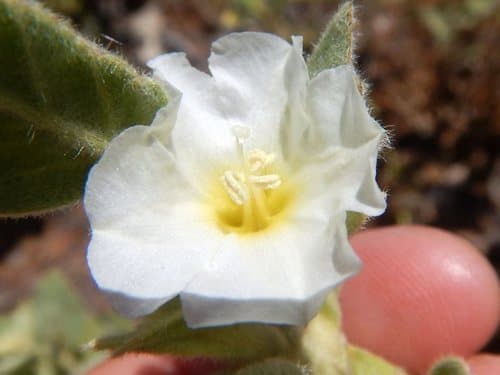
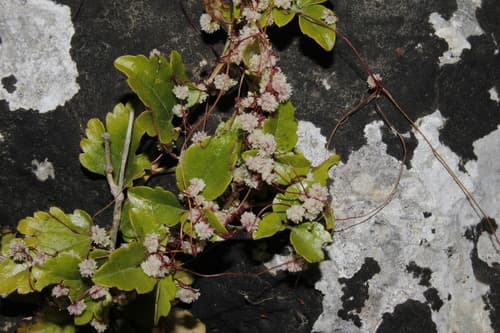
A parasitic annual plant characterized by its thread-like, yellowish-red, chlorophyll-lacking stems that twine tightly around host plants. It produces small, clustered, whitish to pinkish flowers along its stems.