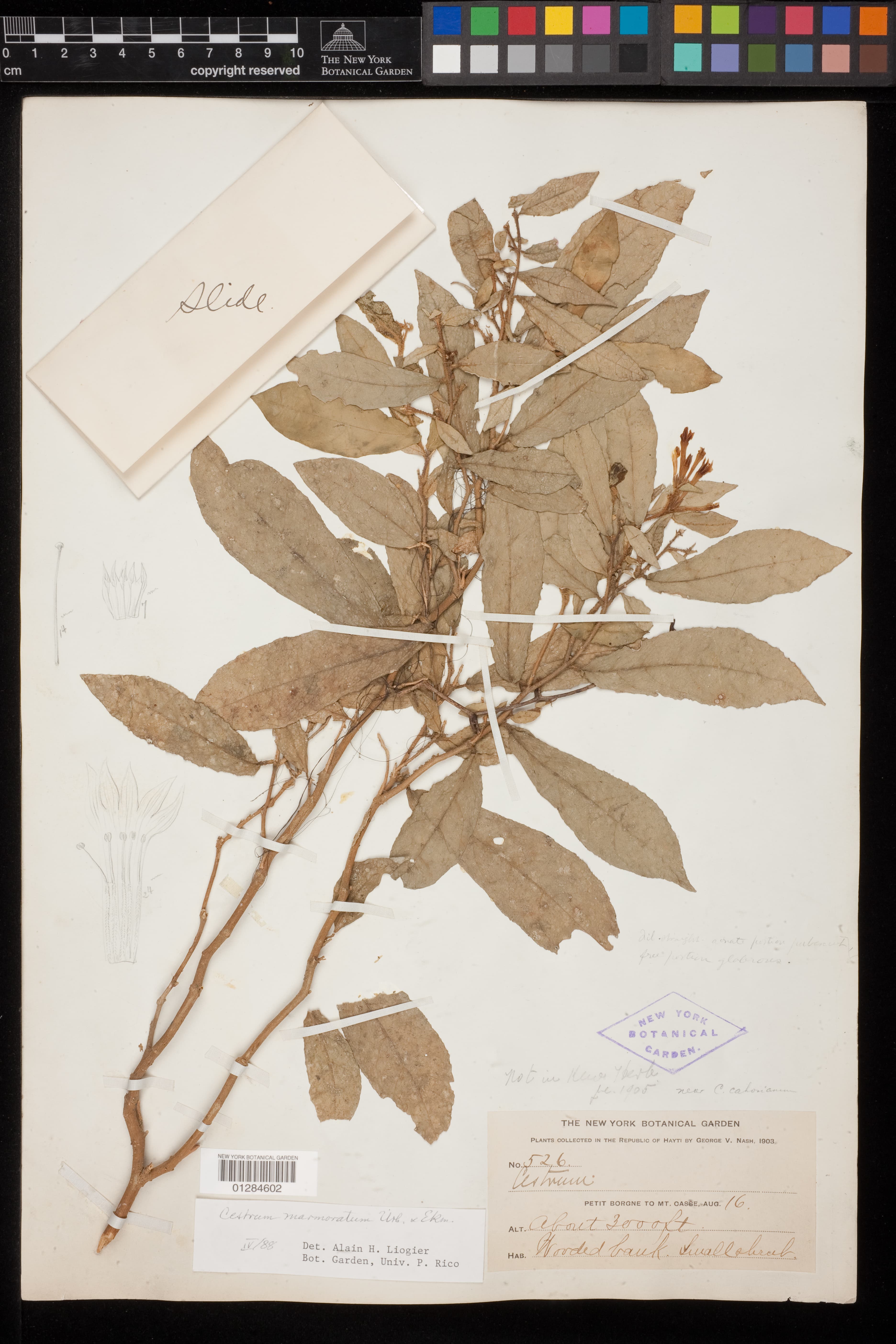
Swamp tupelo
NameSwamp tupelo
Scientific NameNyssa aquatica
Common NamesSwamp tupelo, Tupelo gum, Water tupelo
Plant FamilyNyssaceae
Natural HabitatFound in deep swamps, floodplains, and along slow-moving rivers and lakes, often growing in standing water. It thrives in saturated soil conditions.
Parts Usedleaf,bark
Medicinal Actionsastringent, antioxidant
Traditional UsesWhile the plant parts of Swamp Tupelo are not widely documented for direct traditional medicinal use in humans, the tree is highly valued for its flowers, which produce the prized Tupelo honey. This honey is traditionally consumed for general health and is often attributed with mild antimicrobial and antioxidant properties. The bark and leaves, like many trees, may possess astringent qualities due to tannins.
Active Constituentstannins, flavonoids
Preparation Methodsinfusion, decoction
Contraindications & WarningsNone specifically documented for the plant parts due to limited traditional medicinal use. General caution is advised when using any plant medicinally without expert guidance.
Cultivation NotesPrefers wet, swampy conditions and is highly tolerant of prolonged flooding. It grows best in full sun to partial shade and requires consistently moist to saturated soil.
Raritycommon
Description
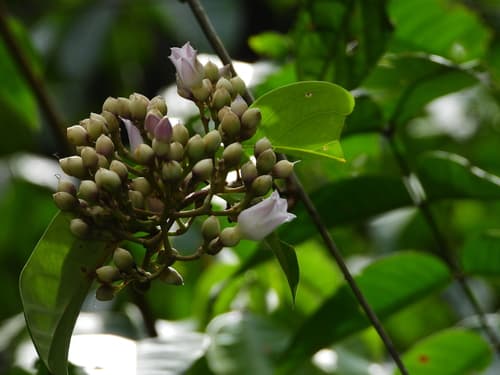
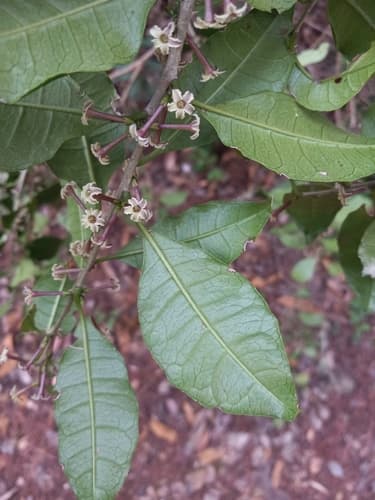
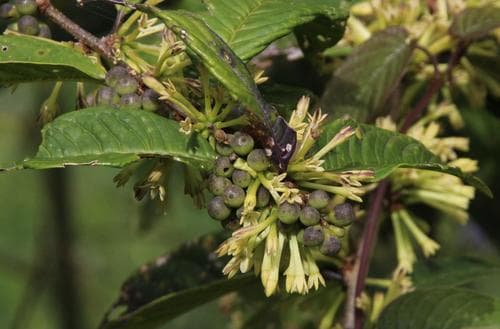
A large, deciduous tree native to the southeastern United States, characterized by its swollen, buttressed base and glossy green, ovate leaves. It produces small, inconspicuous greenish flowers that develop into dark purple, ovoid fruit.