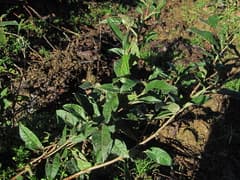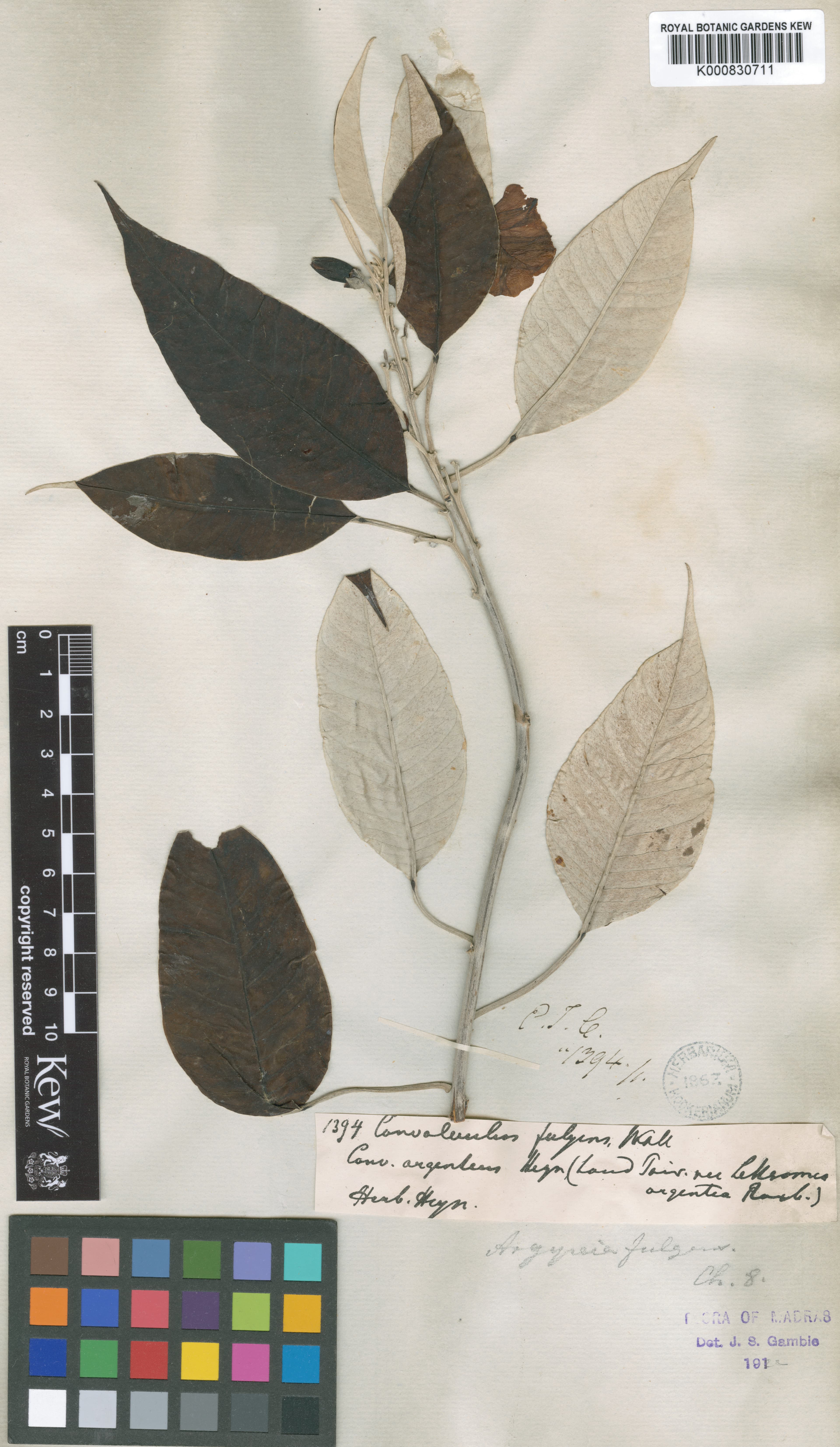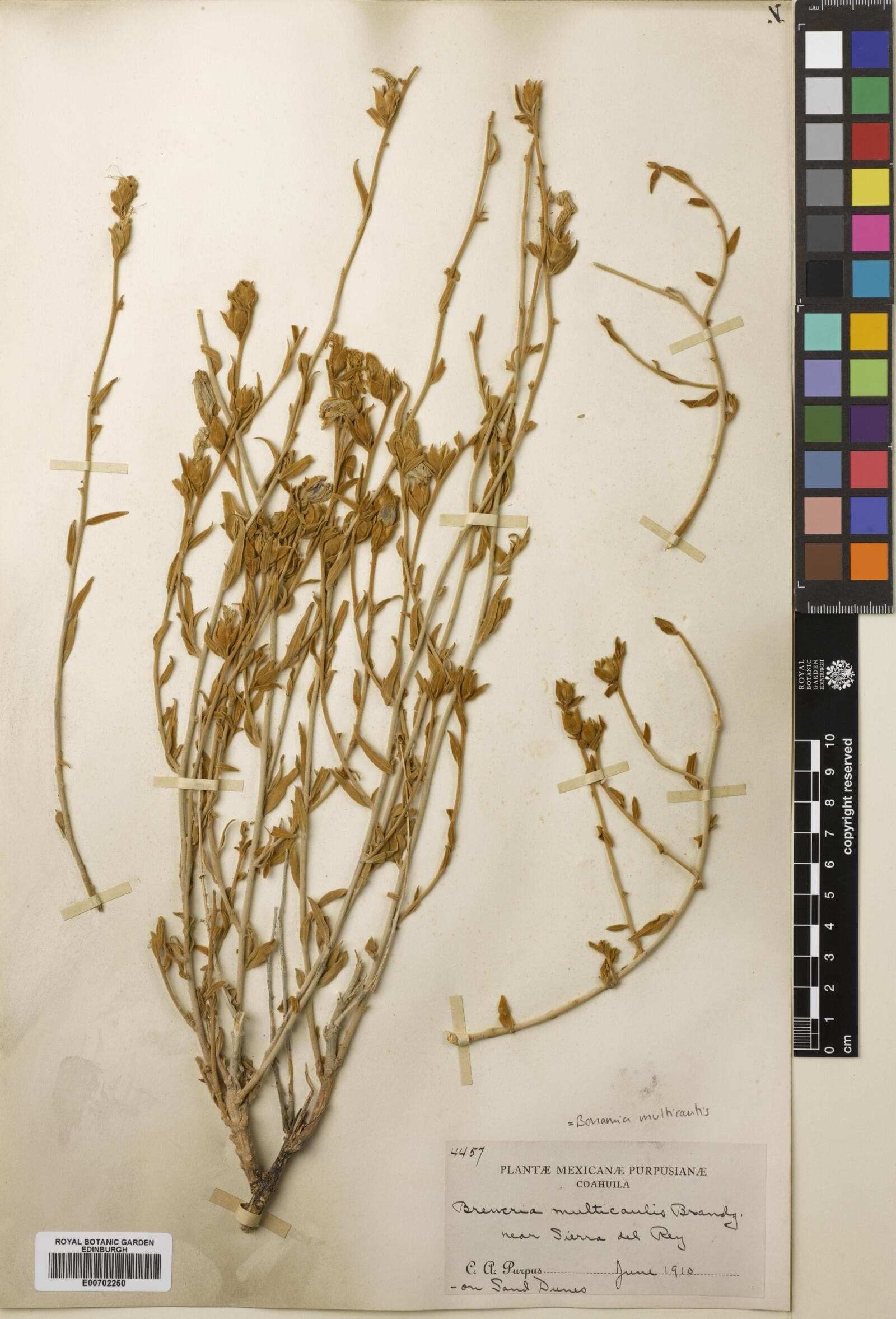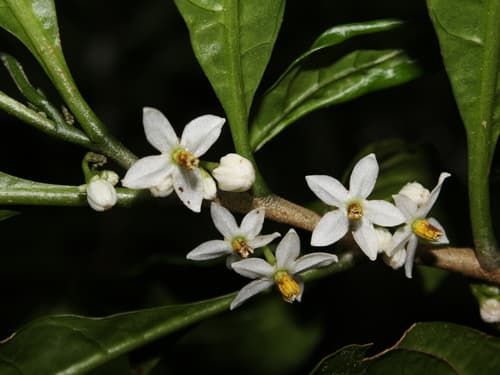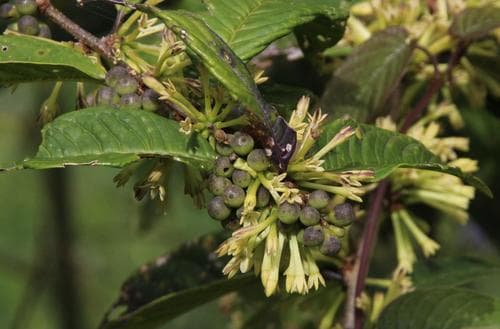
Cestrum conglomeratum
NameCestrum conglomeratum
Scientific NameCestrum conglomeratum
Common NamesClustered Cestrum
Plant FamilySolanaceae
Natural HabitatNative to tropical and subtropical regions of Central and South America, it is commonly found in forest edges, secondary growth, and disturbed areas.
Parts Usedleaf,fruit
Traditional UsesTraditional medicinal uses for *Cestrum conglomeratum* are not well-documented. Other species within the *Cestrum* genus have been historically used in some traditional systems for conditions like fever, pain, and inflammation, but often with significant warnings due to their inherent toxicity.
Active Constituentssteroidal saponins, alkaloids, flavonoids
Contraindications & WarningsAll parts of *Cestrum conglomeratum*, especially the fruits, are considered highly toxic and poisonous if ingested. Ingestion can lead to severe gastrointestinal distress, neurological symptoms, and can be fatal. This plant should not be used for self-medication and requires extreme caution.
Cultivation NotesThrives in tropical to subtropical climates with well-drained soil and prefers full sun to partial shade. It can be propagated from seeds or cuttings and is sometimes grown as an ornamental shrub.
Rarityuncommon
Description
This is a shrub or small tree belonging to the nightshade family, characterized by its dense clusters of small, tubular, greenish-yellow flowers. These flowers develop into tight bunches of small, dark, berry-like fruits. Its leaves are simple, alternate, and typically have entire margins.