Cestrum coelophlebium
NameCestrum coelophlebium
Scientific NameCestrum coelophlebium
Plant FamilySolanaceae
Natural HabitatNative to humid tropical and subtropical regions of Central and South America, often found in forest understories or disturbed areas.
Parts Usedleaf,bark
Medicinal Actionsanalgesic, anti-inflammatory, antimicrobial
Traditional UsesWhile specific traditional uses for Cestrum coelophlebium are not widely documented, other species within the Cestrum genus are traditionally used in some cultures for their analgesic, anti-inflammatory, and febrifuge properties, often applied externally or with extreme caution due to the genus's known toxicity. Internal use is generally discouraged due to potent compounds.
Active ConstituentsSteroidal saponins, Alkaloids (e.g., solasodine, solamargine), Flavonoids
Preparation Methodsinfusion, decoction, tincture, poultice
Contraindications & WarningsAll parts of Cestrum coelophlebium are considered toxic and can cause severe gastrointestinal upset, neurological symptoms, and cardiac issues if ingested. It is contraindicated in pregnancy, lactation, children, and individuals with liver or kidney conditions. Internal use is highly discouraged and should only be considered under strict expert supervision due to high toxicity.
Cultivation NotesThis plant thrives in tropical to subtropical climates with well-drained soil and prefers full sun to partial shade. It requires consistent moisture but is sensitive to waterlogging. Propagation is typically by seeds or cuttings.
Rarityuncommon
Description
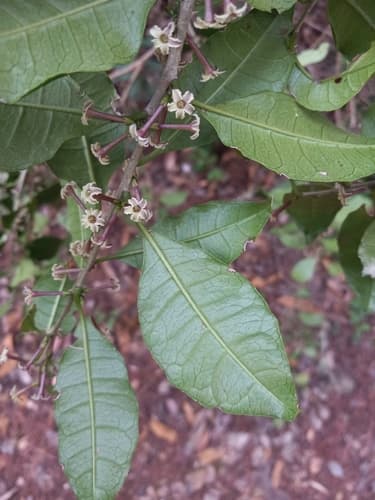
Cestrum coelophlebium is a shrub or small tree characterized by its simple, alternate, ovate to lanceolate leaves with prominent venation. It produces clusters of small, tubular, pale greenish-white to yellowish flowers in axillary or terminal inflorescences.