Sticky Tailflower
NameSticky Tailflower
Scientific NameStrophanthus boivinii
Common NamesSticky Tailflower, Boivin's Strophanthus
Plant FamilyApocynaceae
Natural HabitatNative to Madagascar and the Comoro Islands, typically found growing in dry deciduous forests, scrublands, and coastal thickets.
Parts Usedseed,bark,root
Medicinal Actionsanalgesic, anti-inflammatory
Traditional UsesPrimarily known for its potent cardiac glycosides, *Strophanthus boivinii* has been traditionally used as an arrow poison. In some traditional medicine systems, highly diluted preparations or external applications have been cautiously employed for conditions such as pain and inflammation, and historically for heart conditions, but its extreme toxicity necessitates extreme caution and professional guidance.
Active ConstituentsCardiac glycosides, Strophanthins, Ouabain
Preparation Methodsdecoction, powder, poultice
Contraindications & WarningsExtremely toxic; ingestion can be fatal. Contains potent cardiac glycosides that can cause severe heart rhythm disturbances and cardiac arrest. Not for self-medication. Contraindicated in individuals with heart conditions, pregnant or breastfeeding women, and children. Interacts dangerously with other cardiac medications.
Cultivation NotesPrefers warm, tropical to subtropical climates with well-drained soil. Can be propagated from seed or cuttings. Requires support for its climbing habit and thrives in full sun to partial shade.
Rarityuncommon
Description
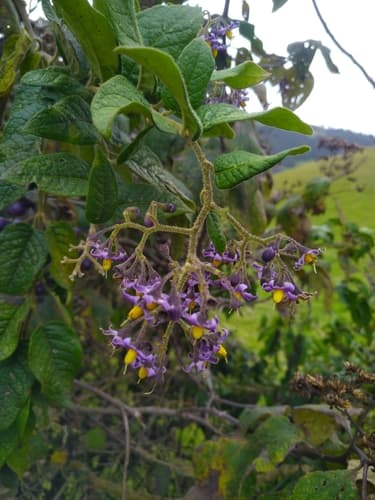
A woody vine or shrub characterized by its glossy, opposite leaves and striking white, star-shaped flowers. The flowers feature a distinctive green or yellow-green center and often have elongated, tail-like petal tips, though these may vary in length.