Chinese Teaplant
NameChinese Teaplant
Scientific NameLycium chinense
Common NamesChinese Wolfberry, Goji Berry, Matrimony Vine, Duke of Argyll's Tea Tree
Plant FamilySolanaceae
Natural HabitatNative to Asia, particularly China, where it thrives in sunny, well-drained areas, often found along riverbanks, roadsides, and disturbed ground.
Parts Usedfruit,leaf,root
Medicinal Actionsadaptogen, anti-inflammatory, antioxidant
Traditional UsesTraditionally used in Chinese medicine to nourish the liver and kidneys, improve vision, and boost overall vitality and longevity. The berries are consumed fresh, dried, or as juice, while the leaves are sometimes brewed into a tea and the root bark used for fevers and coughs.
Active ConstituentsLycium barbarum polysaccharides (LBP), zeaxanthin, beta-carotene, betaine, flavonoids, vitamins C, B, E
Preparation Methodsinfusion, decoction, powder
Contraindications & WarningsMay interact with anticoagulant medications (e.g., warfarin) due to coumarin content. Caution is advised for individuals on diabetes medication as it may lower blood sugar. Allergic reactions are possible.
Cultivation NotesPrefers full sun and well-drained soil, tolerating a range of soil types and drought once established. Can be grown from seed or cuttings and benefits from support for its climbing branches.
Raritycommon
Description
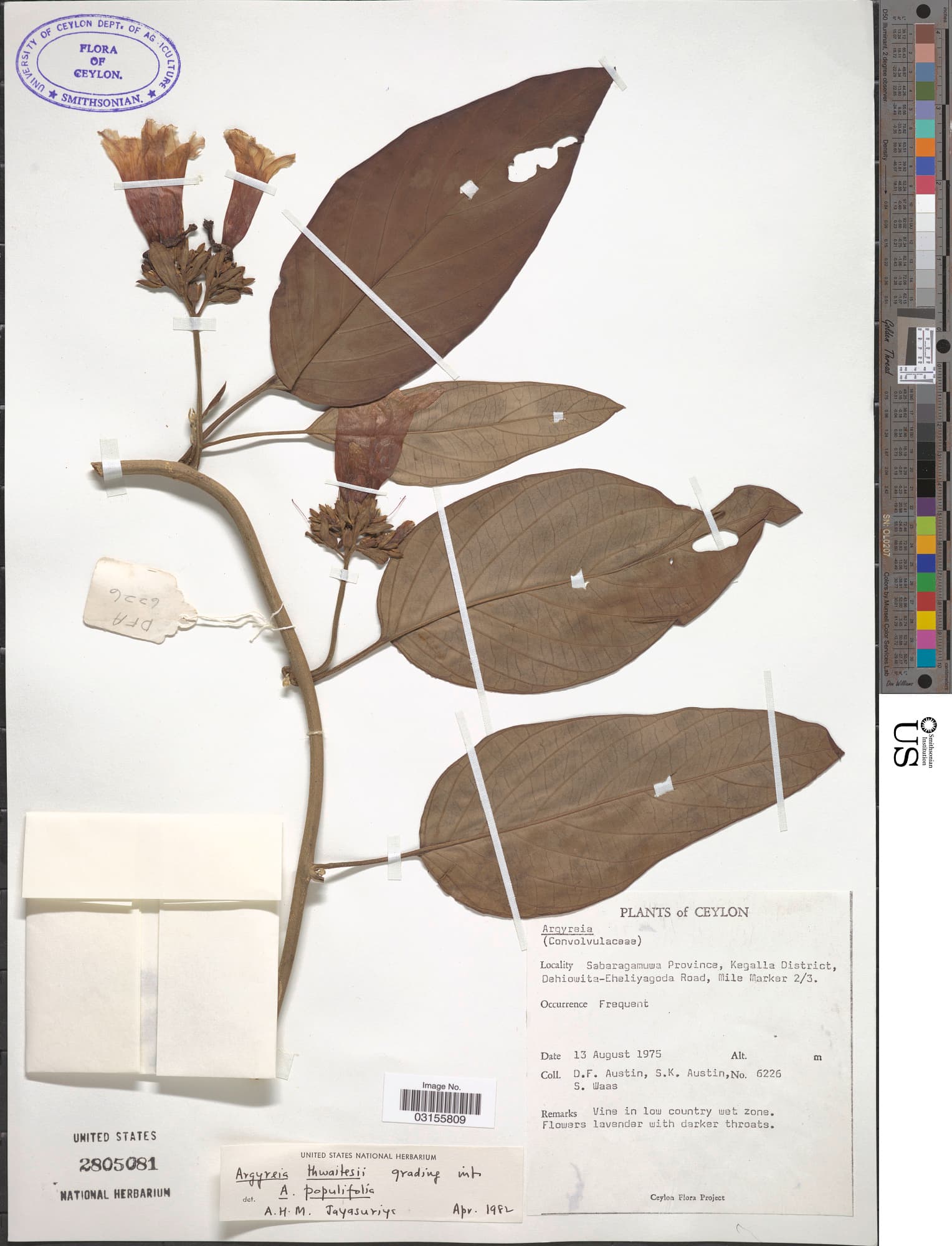
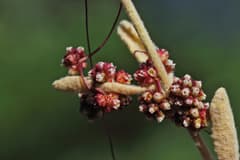
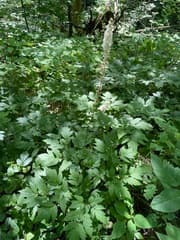
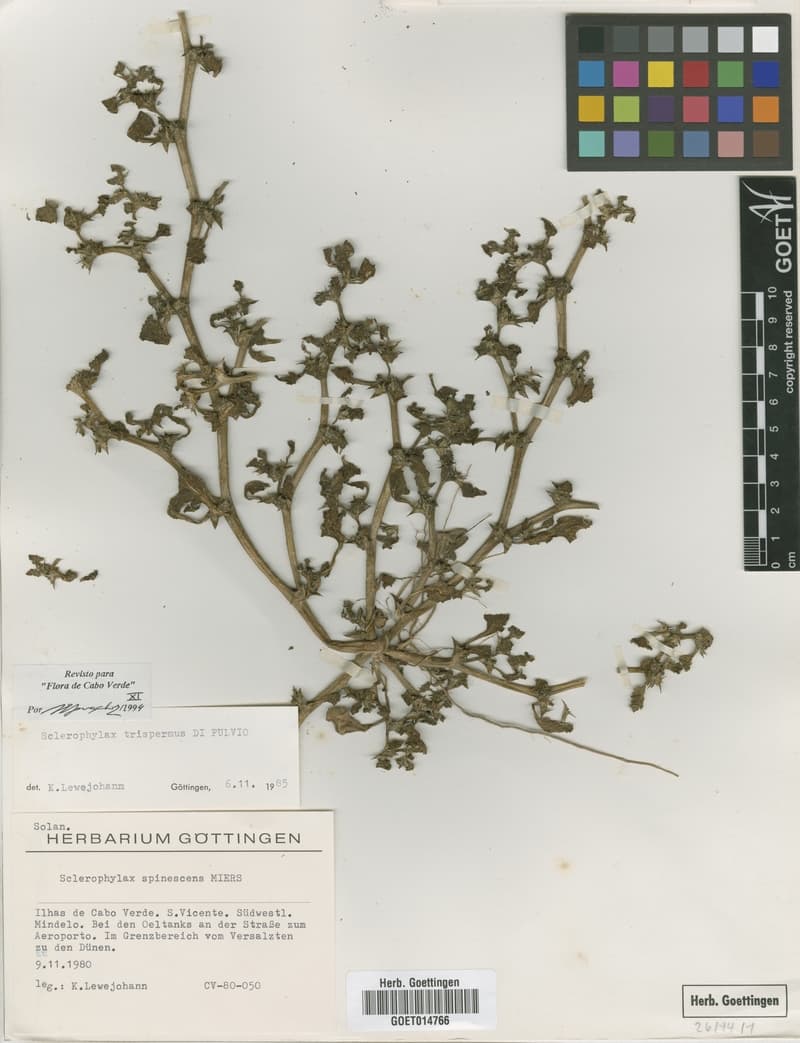
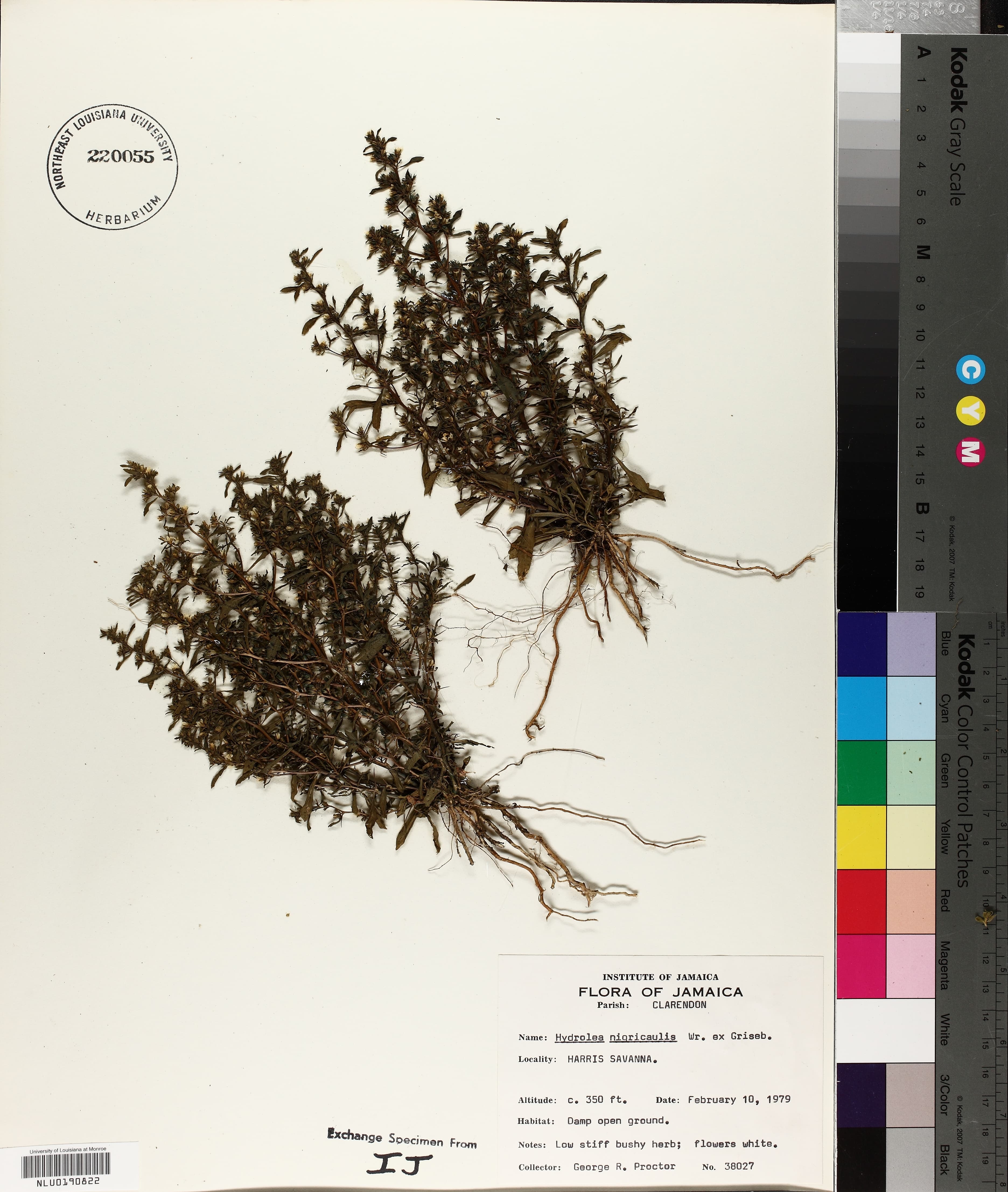
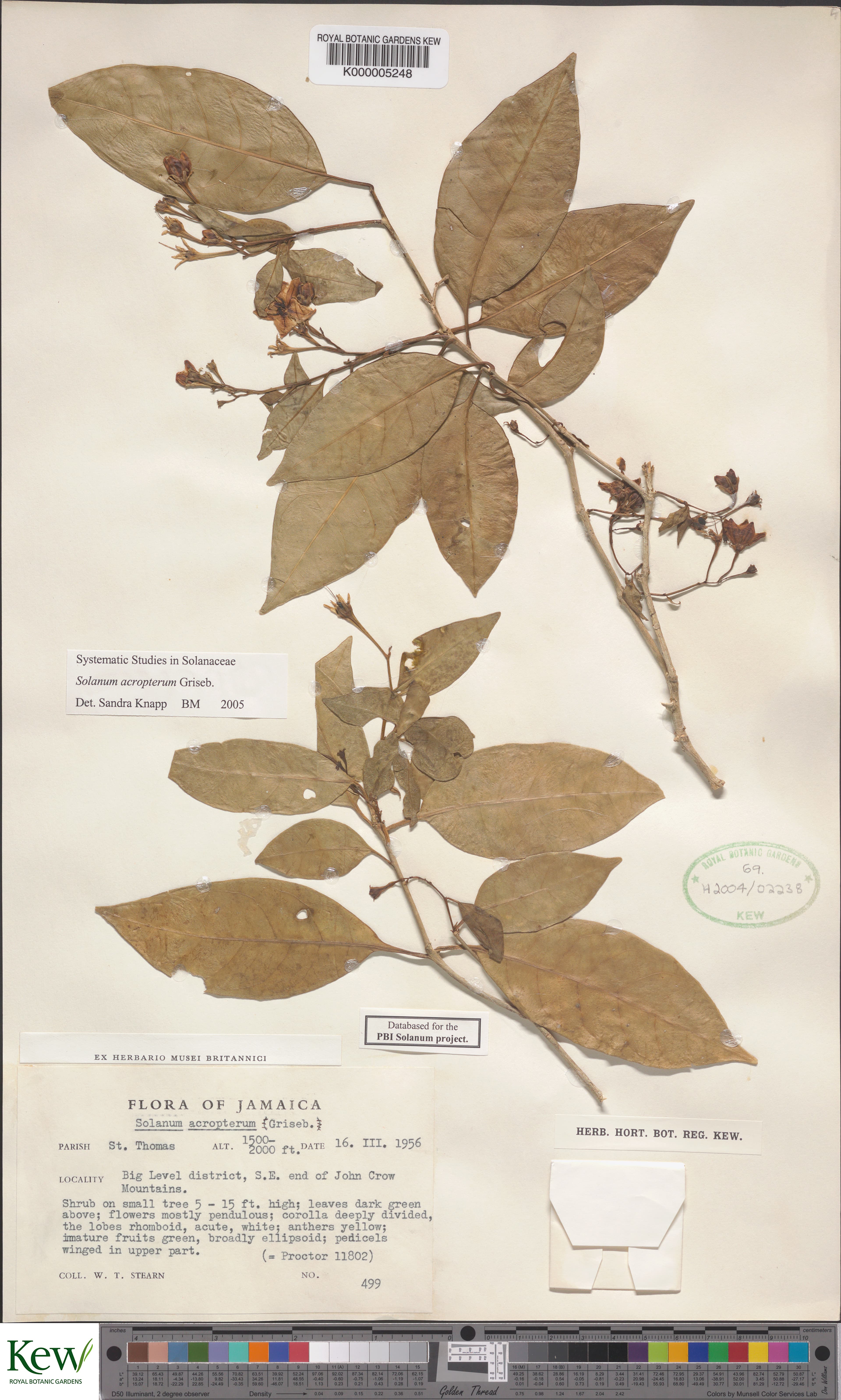
A deciduous woody shrub, typically growing 1-3 meters tall, with slender, often spiny branches. It produces small, ovate to lanceolate leaves and small, purple, bell-shaped flowers that develop into bright red-orange berries.