Cinchona
NameCinchona
Scientific NameCinchona pubescens
Common NamesQuinine Tree, Red Cinchona, Loja Bark, Peruvian Bark
Plant FamilyRubiaceae
Natural HabitatNative to the tropical Andes mountains of South America, it thrives in cloud forests and montane rainforests at elevations typically between 1,500 and 3,000 meters.
Parts Usedbark
Medicinal Actionsantimicrobial, anti-inflammatory, analgesic
Traditional UsesHistorically, the bark of Cinchona has been revered for its potent antimalarial properties, used by indigenous communities to treat fevers and malaria. It was also traditionally employed for digestive complaints, muscle cramps, and as a general tonic.
Active ConstituentsQuinine, Quinidine, Cinchonine, Cinchonidine
Preparation Methodsdecoction, powder, tincture
Contraindications & WarningsHigh doses can lead to 'cinchonism' symptoms like headache, tinnitus, and visual disturbances. It is contraindicated in pregnancy, individuals with tinnitus, optic neuritis, or certain cardiac arrhythmias, and may interact with anticoagulants and other medications.
Cultivation NotesRequires a tropical or subtropical climate with high humidity, consistent rainfall, and well-drained, acidic soil. It prefers partial shade when young, transitioning to full sun as it matures.
Rarityuncommon
Description
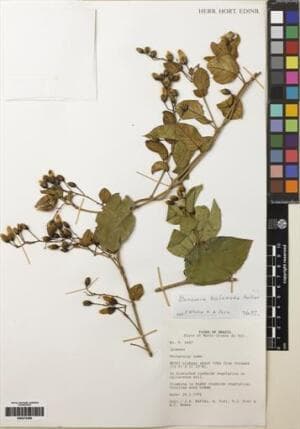
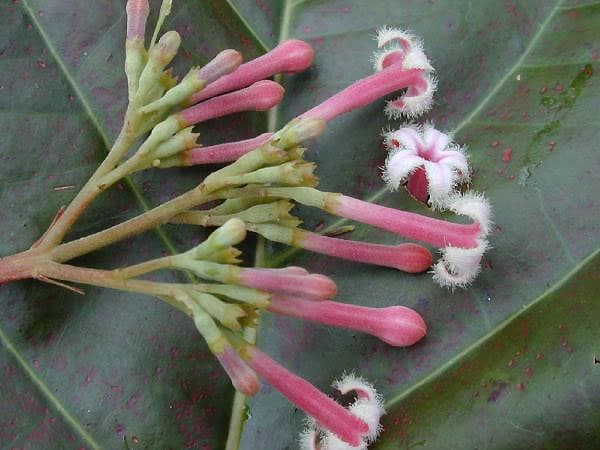
Cinchona pubescens is an evergreen tree or large shrub characterized by its reddish-brown bark. It produces clusters of tubular, often pink to reddish flowers with distinctive hairy margins, and large, ovate leaves.