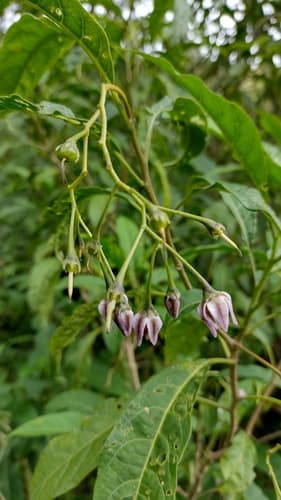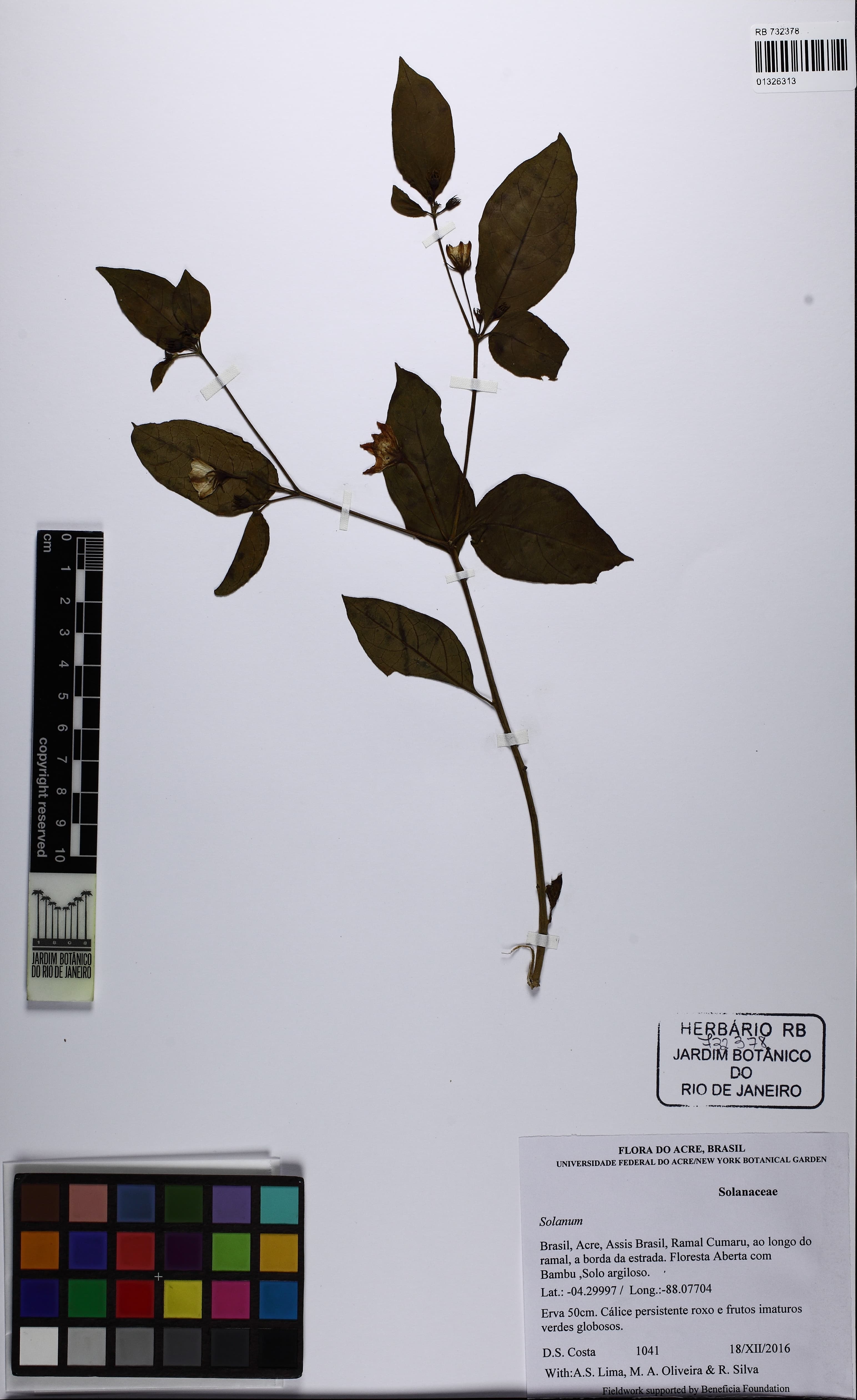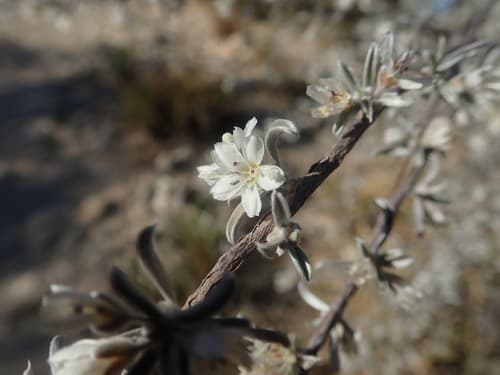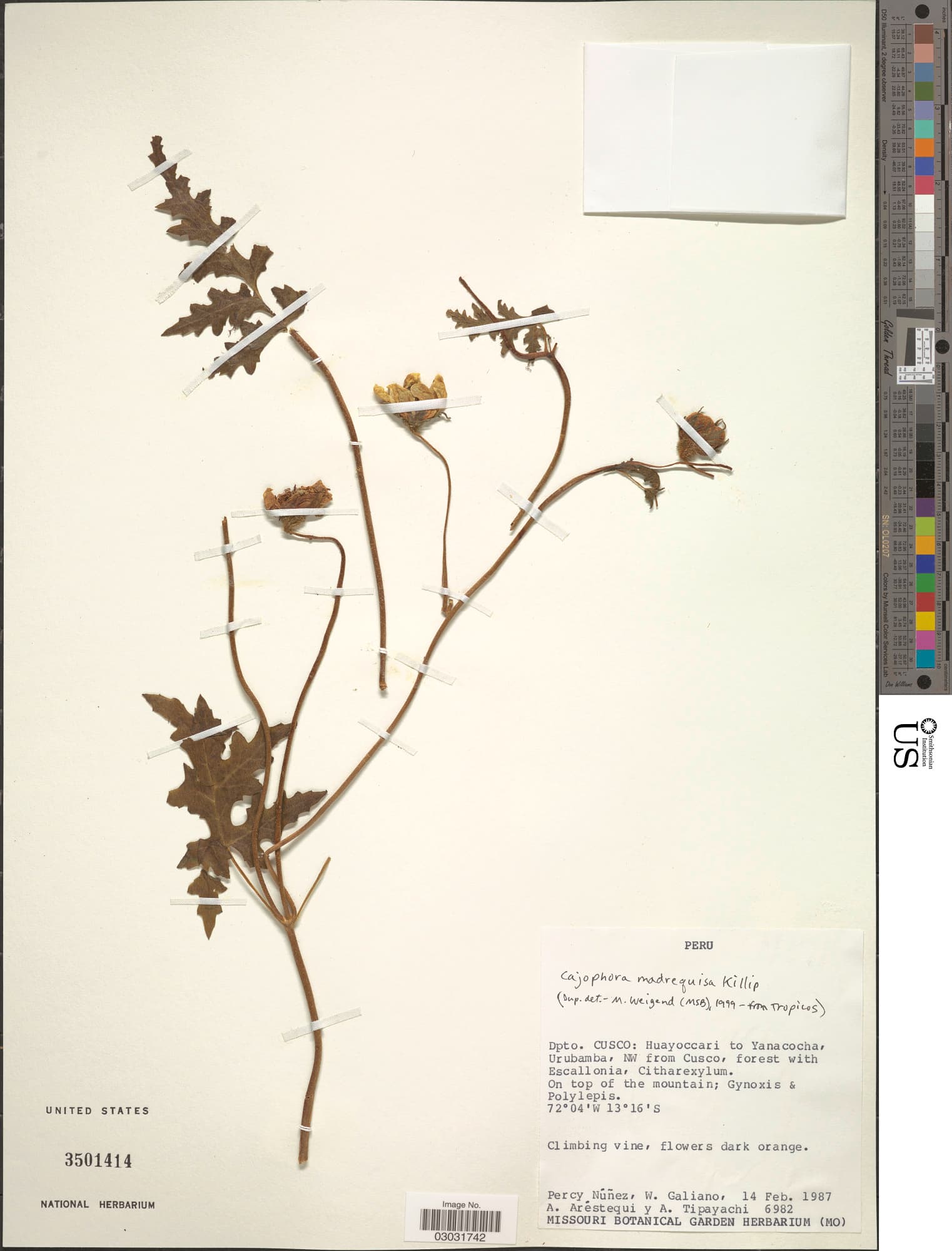
Solanum aureum
NameSolanum aureum
Scientific NameSolanum aureum
Common NamesGolden Nightshade, Nightshade
Plant FamilySolanaceae
Natural HabitatTypically found in disturbed areas, forest edges, clearings, and along roadsides in tropical to temperate regions, often thriving in hilly or mountainous terrain.
Parts Usedleaf,fruit
Medicinal Actionsanti-inflammatory, analgesic
Traditional UsesTraditional uses for species within the Solanum genus often involve external applications of leaves or fruits for skin conditions, inflammation, and pain relief. Due to the presence of toxic glycoalkaloids, internal use of Solanum aureum is generally not recommended and carries significant risks, though some cultures may use highly diluted preparations for specific ailments under strict expert supervision.
Active Constituentssteroidal glycoalkaloids, saponins, flavonoids
Preparation Methodspoultice, decoction, infusion
Contraindications & WarningsAll parts of Solanum aureum are considered toxic due to the presence of steroidal glycoalkaloids (e.g., solanine). Ingestion can cause severe gastrointestinal upset, neurological symptoms, and can be fatal. Not for internal use without expert medical supervision. Avoid during pregnancy, lactation, and in individuals with pre-existing liver or kidney conditions. May interact with anticholinergic medications.
Cultivation NotesSolanum aureum, like many Solanum species, is generally hardy and can grow in a variety of conditions. It prefers full sun to partial shade and well-drained soil. It can be propagated by seed or cuttings and may become invasive in some regions.
Raritycommon
Description
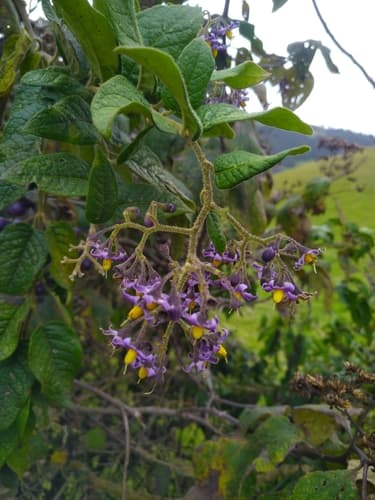
A sprawling or climbing shrub characterized by its ovate, green leaves. It produces clusters of star-shaped, purple flowers with prominent yellow anthers, which develop into small, round, purple berries.