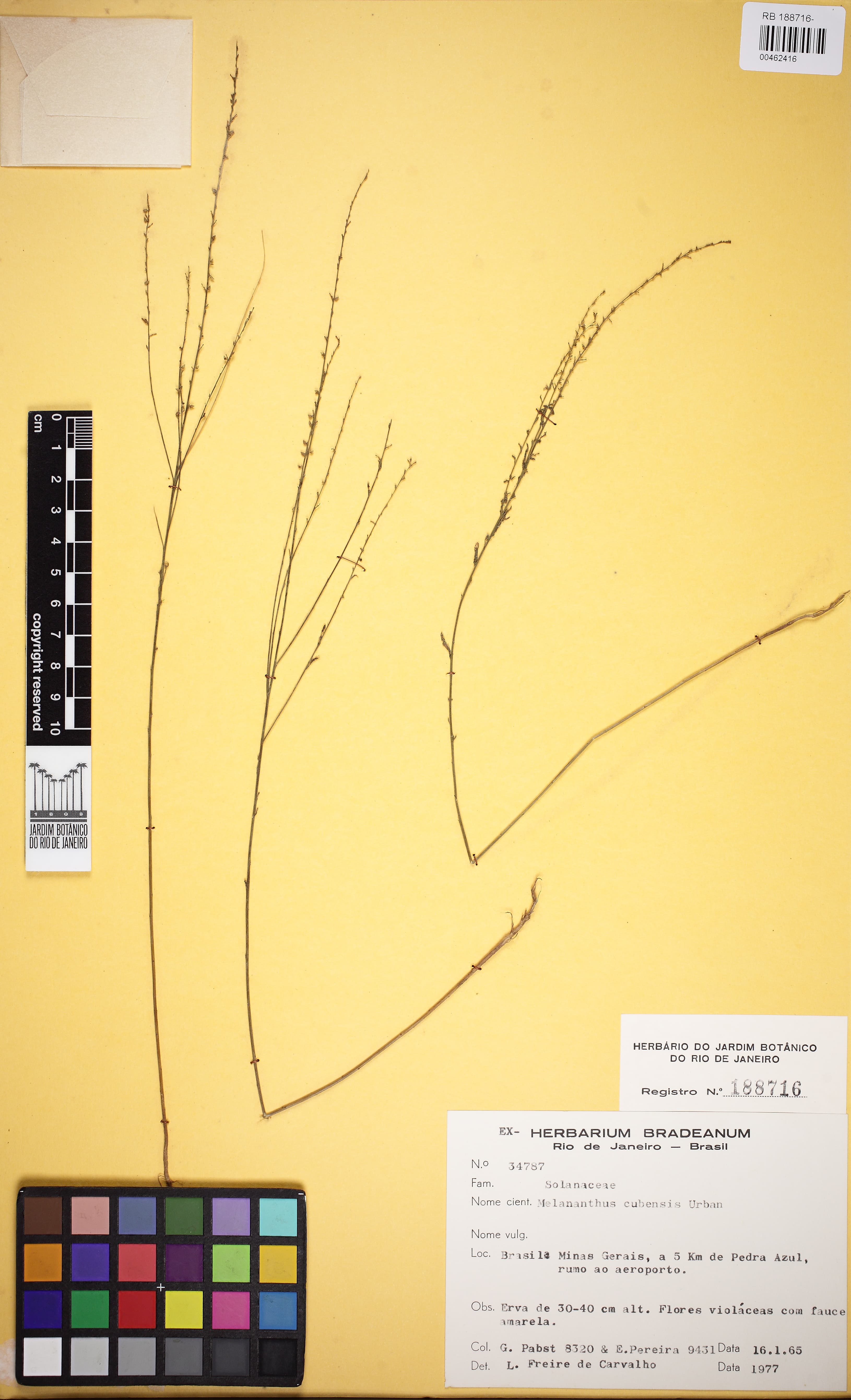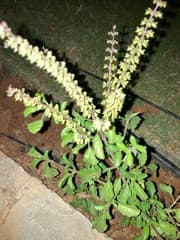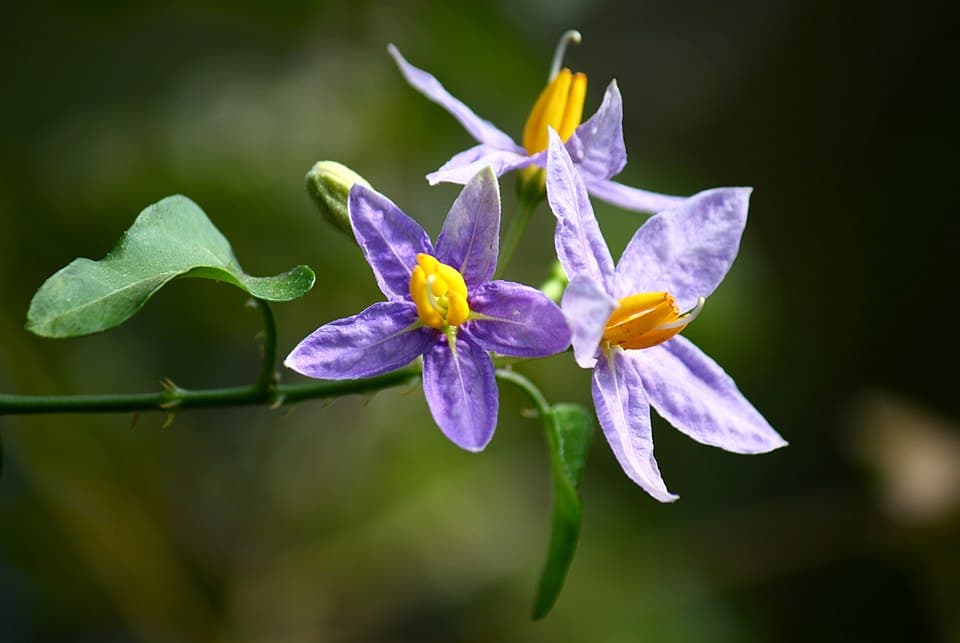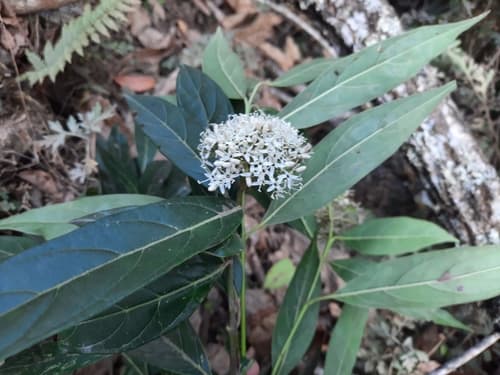
Sonoran Dodder
NameSonoran Dodder
Scientific NameCuscuta palmeri
Common NamesSonoran Dodder, Palmer's Dodder
Plant FamilyConvolvulaceae
Natural HabitatArid and semi-arid regions, particularly the Sonoran Desert, where it parasitizes various shrubs and herbaceous plants. It thrives in disturbed areas and along washes.
Parts Usedwhole_plant
Medicinal Actionsadaptogen, antioxidant, diuretic, astringent, anti-inflammatory
Traditional UsesWhile specific traditional uses for *Cuscuta palmeri* are not widely documented, other *Cuscuta* species, particularly *C. chinensis*, are valued in traditional medicine. These species are traditionally used to support kidney and liver function, improve vision, strengthen bones, and address conditions such as impotence, premature ejaculation, and frequent urination.
Active ConstituentsFlavonoids, Lignans, Polysaccharides, Alkaloids
Preparation Methodsinfusion, decoction, powder
Contraindications & WarningsDue to its parasitic nature and potential for unknown compounds, caution is advised. In traditional medicine, dodder species are generally contraindicated during pregnancy and for individuals with yin deficiency with heat signs.
Cultivation NotesDodder is a parasitic plant and cannot be cultivated independently. It requires a host plant to grow and survive, making intentional cultivation for medicinal purposes challenging and generally not practiced.
Raritycommon
Description
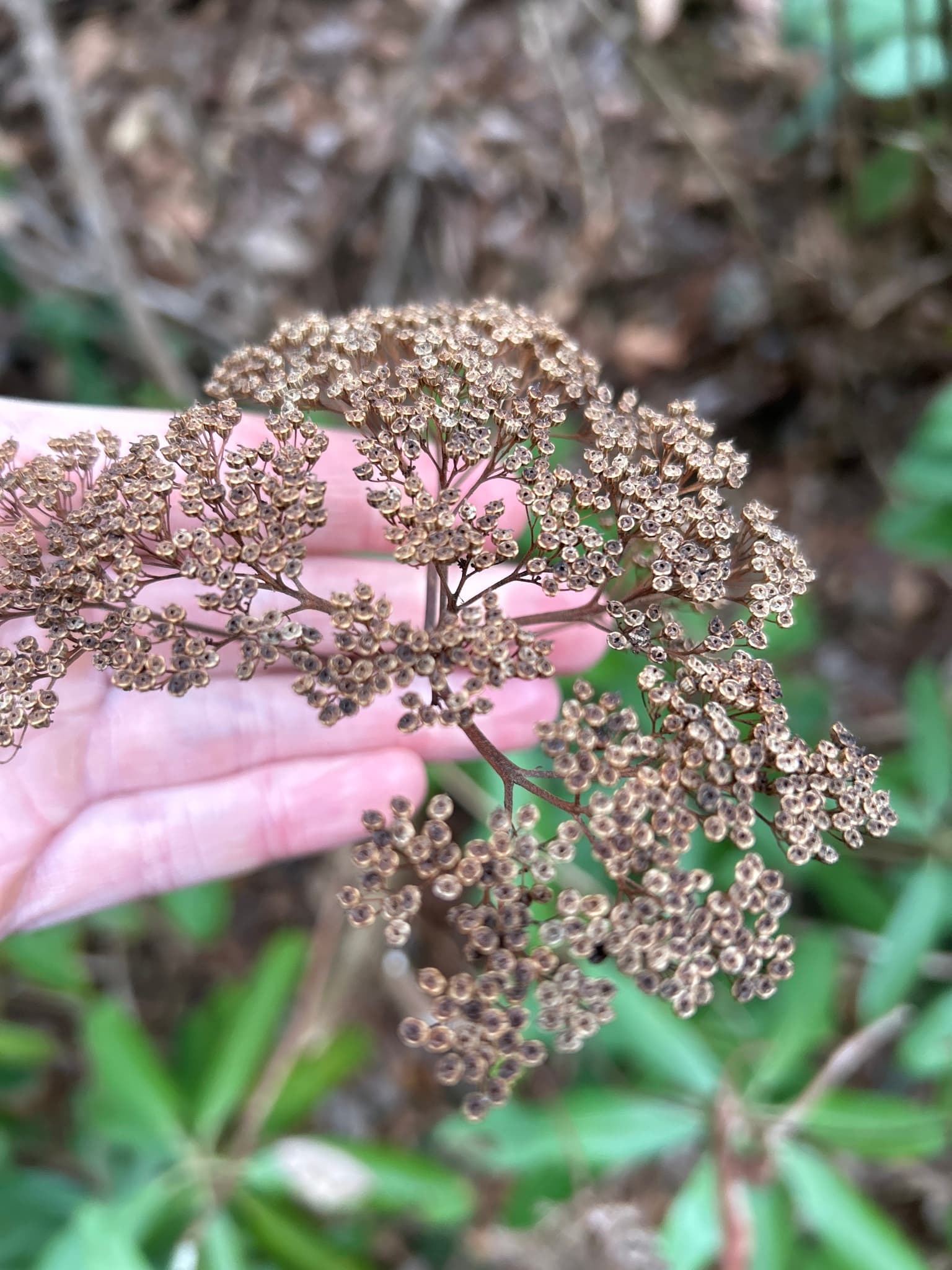
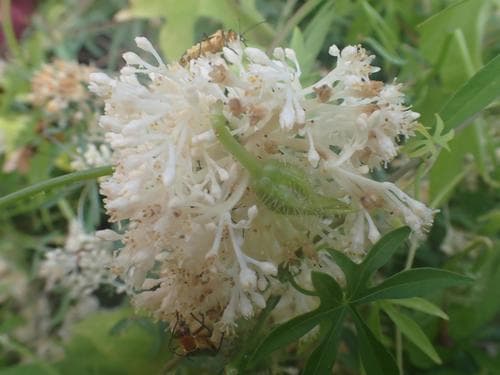
Sonoran Dodder (*Cuscuta palmeri*) is a parasitic annual vine characterized by its slender, yellowish-orange to reddish, leafless stems that twine around host plants. It produces dense clusters of small, white to cream-colored, bell-shaped flowers, often followed by globose, somewhat spiky fruits containing seeds.