Holy Basil
NameHoly Basil
Scientific NameOcimum tenuiflorum
Common NamesHoly Basil, Tulsi, Sacred Basil
Plant FamilyLamiaceae
Natural HabitatNative to tropical and subtropical regions of Southeast Asia, it thrives in warm climates and well-drained soil. It is often cultivated in home gardens and near temples in India.
Parts Usedleaf,flower,whole_plant
Medicinal Actionsadaptogen, anti-inflammatory, antimicrobial, antioxidant, expectorant, nervine
Traditional UsesTraditionally used in Ayurvedic medicine for its adaptogenic properties, helping the body cope with stress. It is also used to support respiratory health, boost immunity, reduce inflammation, and promote mental clarity and relaxation.
Active ConstituentsEugenol, Ursolic acid, Rosmarinic acid, Caryophyllene, Linalool, Limonene
Preparation Methodsinfusion, tincture, powder, essential oil
Contraindications & WarningsMay have anticoagulant effects, so caution is advised for individuals on blood-thinning medication or before surgery. Pregnant or breastfeeding women should consult a healthcare professional.
Cultivation NotesPrefers full sun and well-drained, fertile soil. It is sensitive to frost and grows best in warm, humid conditions. Regular pruning of flowers can encourage bushier growth and leaf production.
Raritycommon
Description
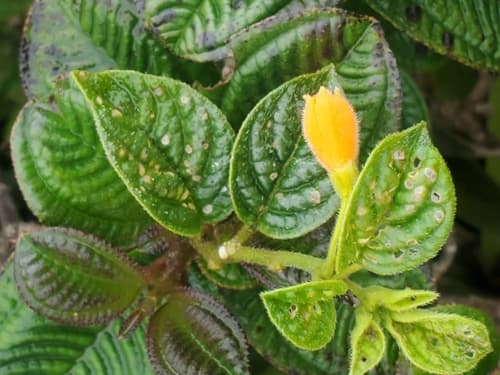
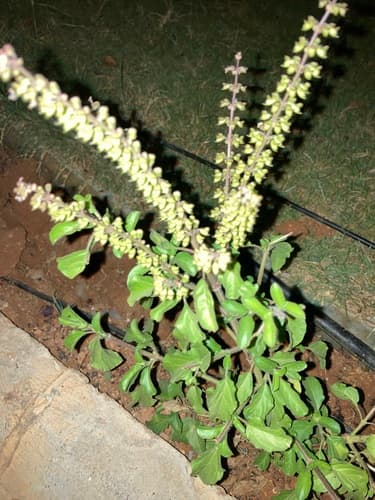
Holy Basil is an aromatic perennial herb native to the Indian subcontinent, characterized by its green or purple leaves and small, fragrant flowers arranged in terminal spikes. It typically grows as a bushy plant, reaching heights of 30-60 cm.