Operculina polynesica
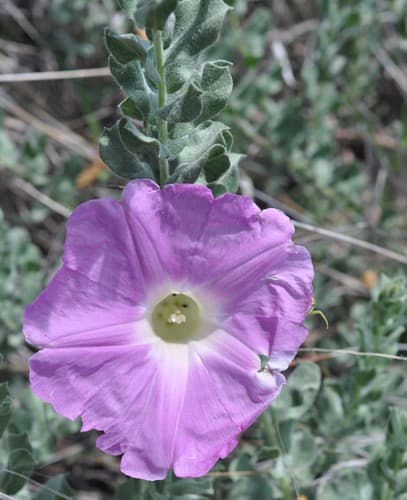
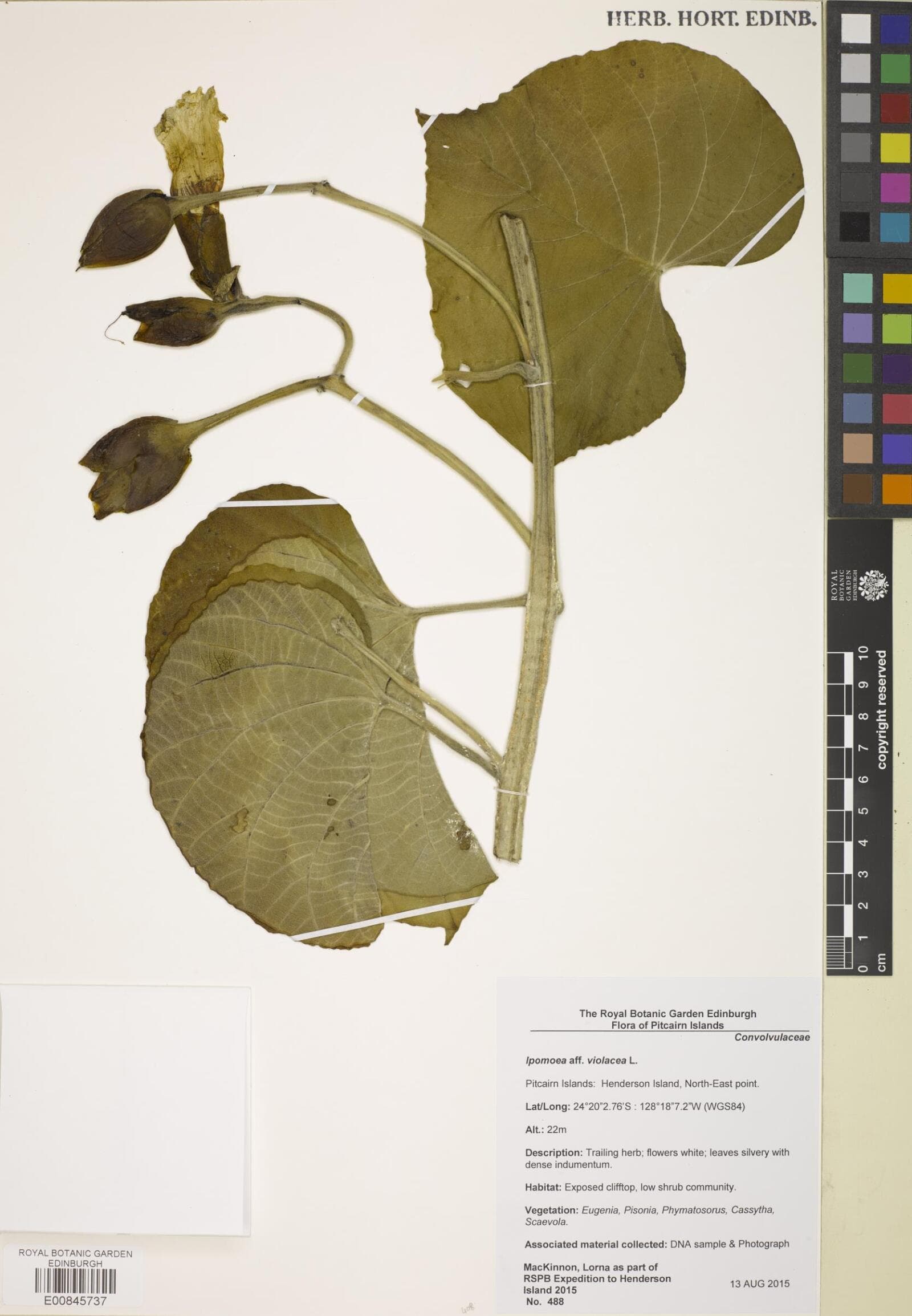
Image: Royal Botanic Garden Edinburgh (cc0)
NameOperculina polynesica
Scientific NameOperculina polynesica
Common NamesPolynesian Morning Glory
Plant FamilyConvolvulaceae
Natural HabitatThis plant is endemic to the Pitcairn Islands, specifically found on Henderson Island. It thrives in exposed clifftop environments, typically as part of a low shrub community.
Parts Usedroot,leaf
Medicinal Actionsanti-inflammatory, antimicrobial
Traditional UsesWhile specific traditional uses for Operculina polynesica are not widely documented, related species within the Operculina genus are traditionally known for their potent purgative properties. They are often used to relieve severe constipation, expel intestinal parasites, and for general detoxification in traditional medicine systems.
Active ConstituentsResin glycosides
Preparation Methodsdecoction, powder, tincture
Contraindications & WarningsAs with many strong purgatives, Operculina polynesica should be avoided during pregnancy and breastfeeding. It is not recommended for individuals with inflammatory bowel conditions, abdominal pain of unknown origin, or intestinal obstruction. Prolonged use can lead to electrolyte imbalance and dependence.
Cultivation NotesThis trailing herb thrives in full sun and well-drained, possibly rocky soils, mimicking its natural exposed clifftop habitat. It is adapted to tropical or subtropical island climates and may require specific conditions to flourish outside its native range.
Rarityvery-rare
Description
Operculina polynesica is a trailing herbaceous vine characterized by its distinctive leaves, which appear silvery due to a dense covering of fine hairs (indumentum). The plant produces white flowers, as observed in the specimen. It is a member of the morning glory family.