Solanum viridifolium
NameSolanum viridifolium
Scientific NameSolanum viridifolium
Common NamesGreen-leaf Nightshade, Forest Nightshade
Plant FamilySolanaceae
Natural HabitatNative to tropical and subtropical regions, often found in forests, clearings, and disturbed areas, preferring moist, shaded environments.
Parts Usedleaf,fruit
Medicinal Actionsanti-inflammatory, analgesic, antimicrobial
Traditional UsesTraditionally, some Solanum species, including those related to S. viridifolium, have been used externally as poultices for skin conditions, boils, and wounds due to their anti-inflammatory and analgesic properties. Internal use is extremely rare and highly cautioned due to toxicity.
Active Constituentssteroidal glycoalkaloids, solanine, solamargine, flavonoids, saponins
Preparation Methodspoultice, salve
Contraindications & WarningsAll parts of Solanum viridifolium, especially unripe fruits and leaves, are considered toxic due to high concentrations of steroidal glycoalkaloids. Ingestion can cause severe gastrointestinal upset, neurological symptoms, and can be fatal. Avoid use by pregnant or nursing women, children, and individuals with liver or kidney conditions. Use only under strict expert supervision and with extreme caution, primarily for external applications.
Cultivation NotesThis plant thrives in tropical and subtropical climates, preferring moist, well-drained soils and partial shade. It can be propagated from seeds and is sometimes considered a weed in its native range.
Raritycommon
Description
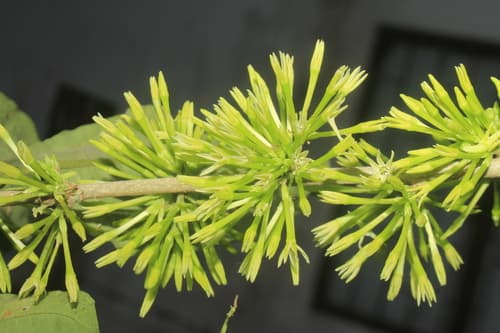
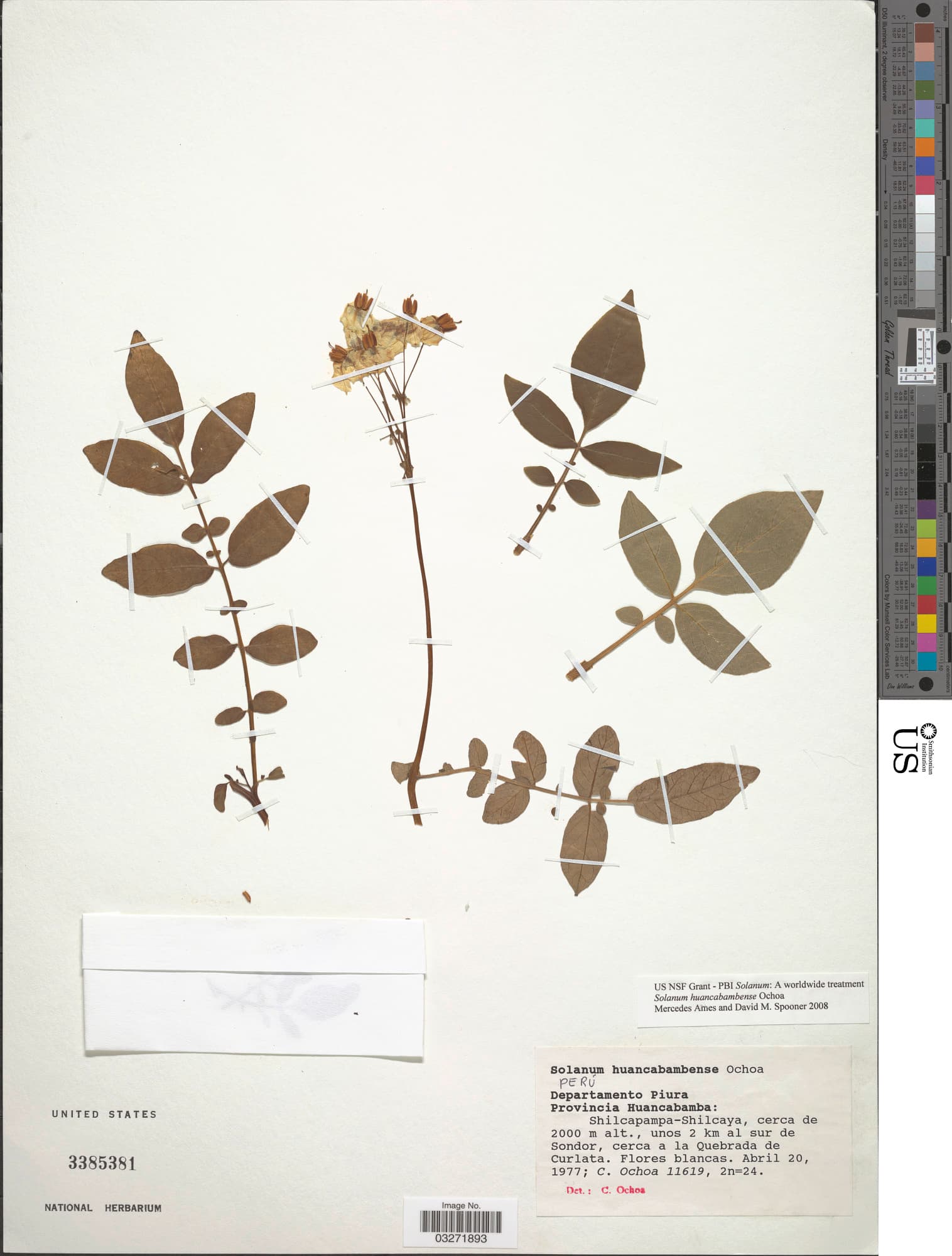
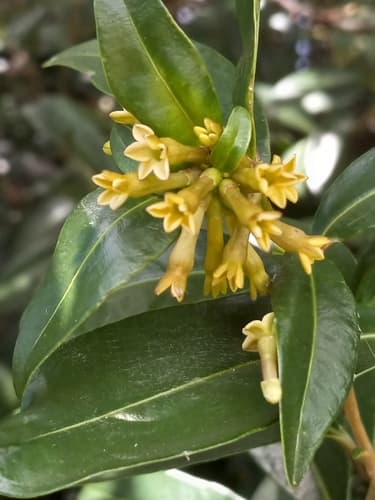
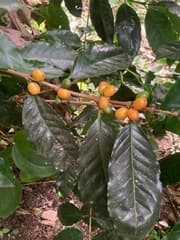
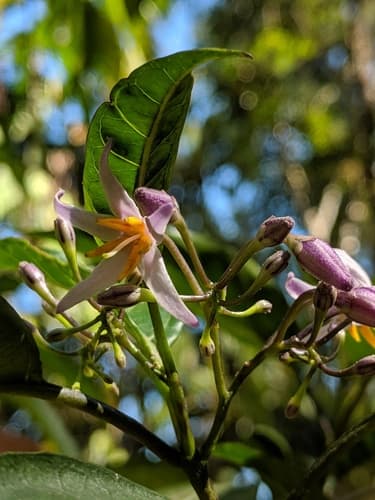
Solanum viridifolium is a perennial herb or small shrub characterized by simple, ovate green leaves. It produces clusters of small, star-shaped flowers, typically pale purple to white with prominent yellow anthers, followed by green berries that ripen to dark colors.