Daphnelike cestrum
NameDaphnelike cestrum
Scientific NameCestrum daphnoides
Common NamesDaphnelike cestrum, Cestrum daphnoides
Plant FamilySolanaceae
Natural HabitatNative to South America, typically found in tropical and subtropical regions, often in forest margins, disturbed areas, and cultivated as an ornamental.
Parts Usedleaf,flower
Traditional UsesWhile some species within the *Cestrum* genus have been historically used in folk medicine (e.g., leaves for external applications on skin or as purgatives), *Cestrum daphnoides* is primarily known for its toxicity. There are no widely recognized or safe traditional medicinal uses documented for this specific species.
Active Constituentssteroidal saponins, tropane alkaloids
Contraindications & WarningsThe entire plant, especially the berries and leaves, is highly toxic if ingested. Symptoms can include gastrointestinal upset, neurological effects, and respiratory distress. Not suitable for internal medicinal use. Keep away from children and pets.
Cultivation NotesThis evergreen shrub thrives in full sun to partial shade and requires well-drained soil. It is suited for tropical and subtropical climates, being sensitive to frost.
Raritycommon
Description
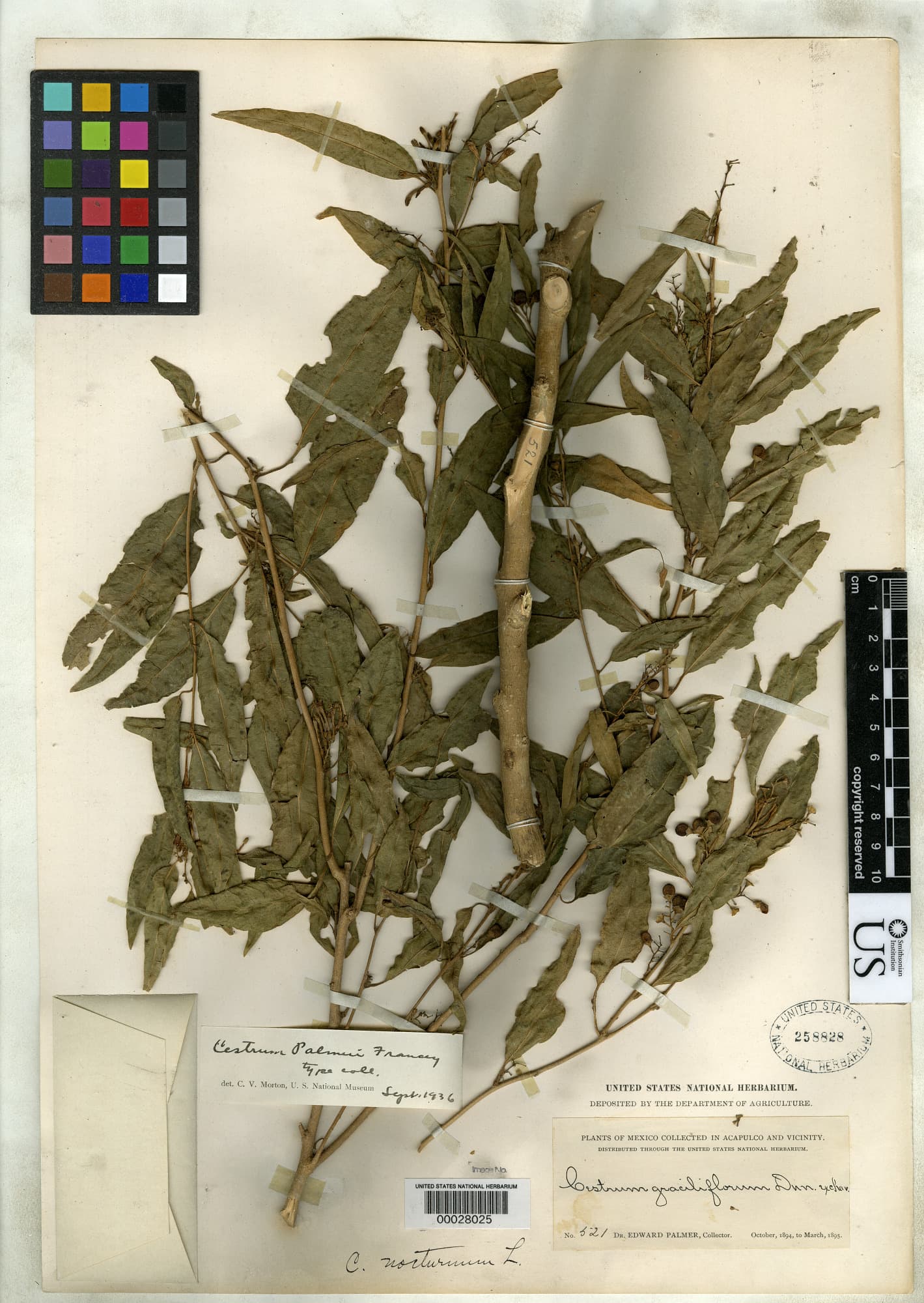
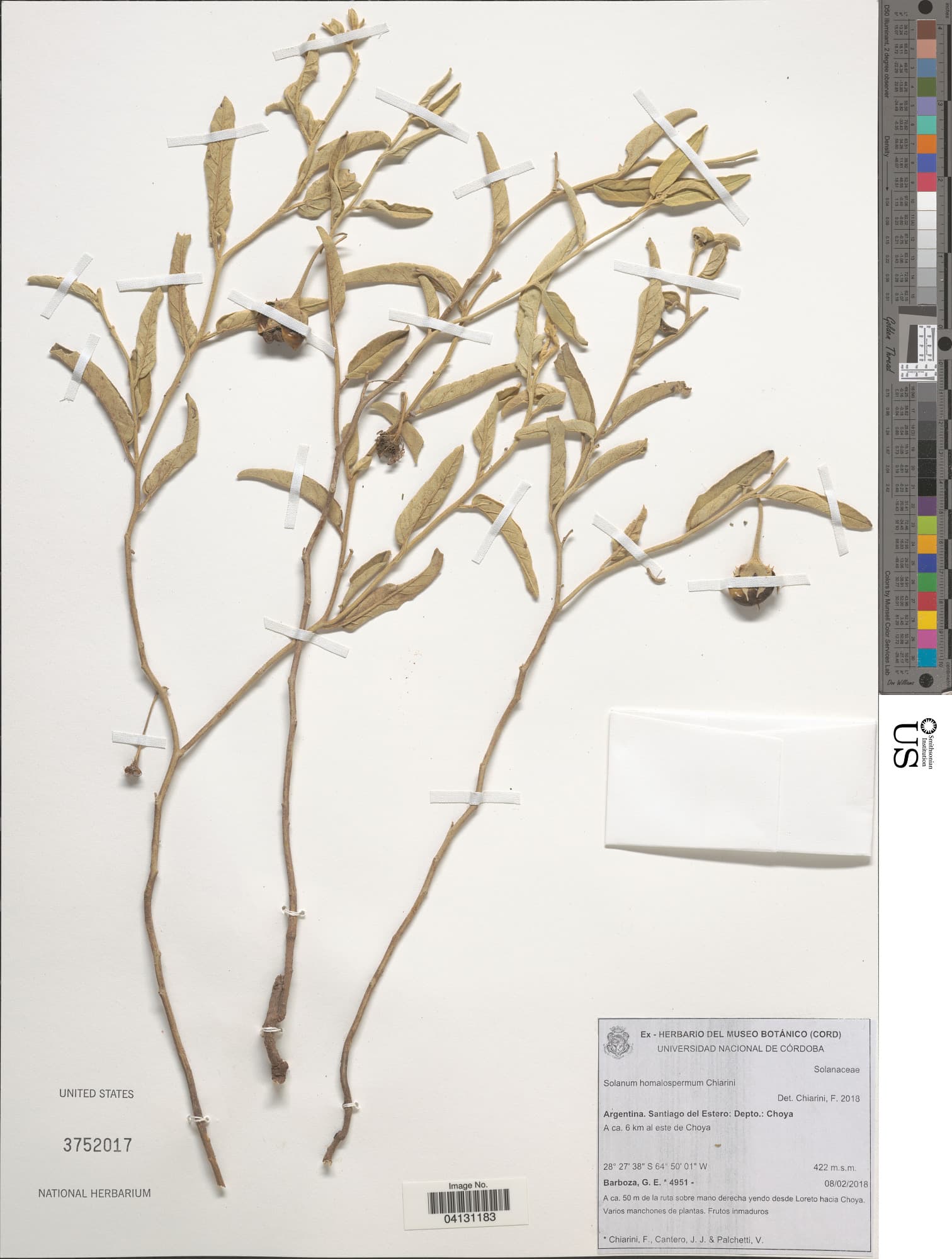
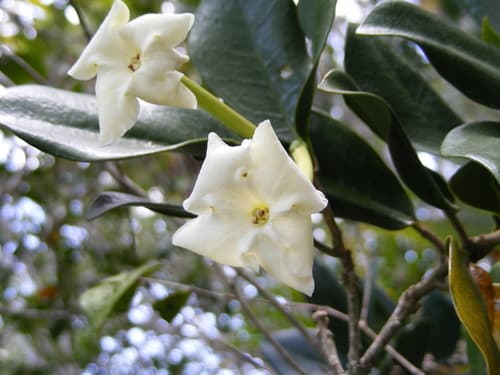
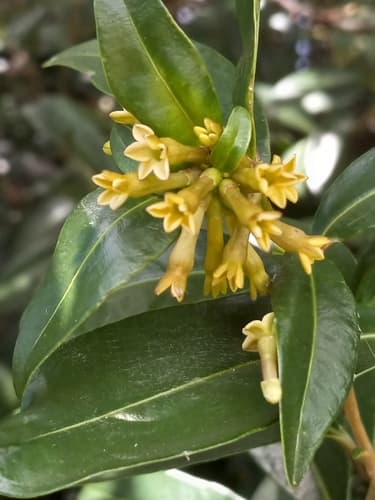
An evergreen shrub characterized by glossy, dark green, lanceolate leaves and clusters of small, tubular, yellowish-white flowers that open into a star-like shape. The plant is primarily known for its ornamental value and its inherent toxicity.