Solanum septemlobum
NameSolanum septemlobum
Scientific NameSolanum septemlobum
Common NamesSeven-lobed Nightshade, Seven-lobed Solanum, Qī Yè Qié
Plant FamilySolanaceae
Natural HabitatNative to East Asia (China, Korea, Japan), growing in forests, thickets, roadsides, and disturbed areas at various elevations from 100 to 2800 meters.
Parts Usedwhole_plant,leaf,root,fruit
Medicinal Actionsanti-inflammatory, analgesic, antimicrobial, antioxidant
Traditional UsesTraditionally used in Chinese medicine for rheumatic pain, bruises, sprains, swelling, and snake bites. It is also applied topically for various skin conditions and taken internally for fever and inflammation.
Active Constituentssteroidal glycoalkaloids, solamargine, solasonine, flavonoids, saponins
Preparation Methodsdecoction, poultice, tincture
Contraindications & WarningsContains toxic glycoalkaloids; internal use requires professional guidance due to potential toxicity in large doses. Avoid during pregnancy and breastfeeding, and in individuals with known allergies to the Solanaceae family.
Cultivation NotesThis plant prefers well-drained soil and can thrive in full sun to partial shade. It is relatively hardy and can be propagated by seeds or cuttings.
Raritycommon
Description
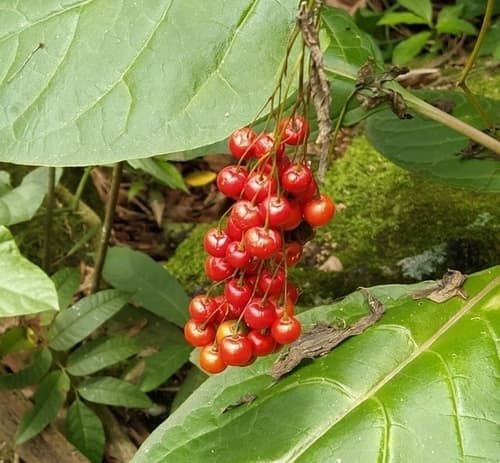
Solanum septemlobum is an herbaceous perennial or subshrub characterized by its deeply lobed leaves, typically with 5-7 segments. It produces star-shaped purple flowers with prominent yellow anthers, followed by small, spherical berries.