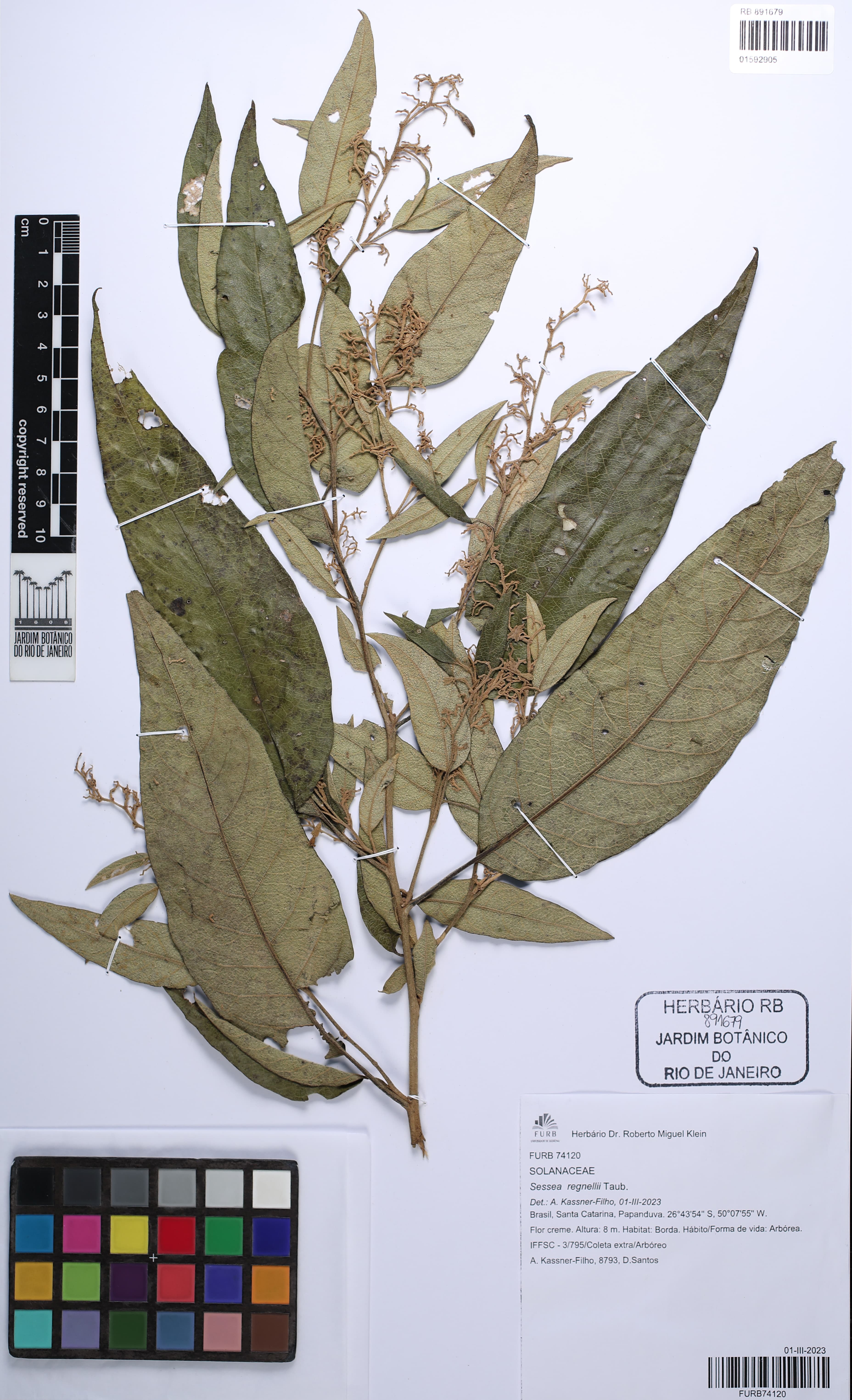
Cestrum capsulare
Image: A. Kassner-Filho; D. Santos (cc-by)
NameCestrum capsulare
Scientific NameCestrum capsulare
Common NamesCestrum
Plant FamilySolanaceae
Natural HabitatNative to South America, this species is commonly found in forest edges, clearings, and disturbed areas, growing as an arboreal plant.
Parts Usedleaf,flower,fruit
Medicinal Actionsanalgesic, anti-inflammatory, antimicrobial
Traditional UsesTraditionally, some Cestrum species, including Cestrum capsulare, have been used with extreme caution as febrifuges (for fever), analgesics (for pain), or for external application on skin ailments. However, specific safe uses for Cestrum capsulare are not widely documented due to its known toxicity.
Active ConstituentsSteroidal saponins, Glycoalkaloids
Preparation Methodsinfusion, decoction, poultice
Contraindications & WarningsAll parts of Cestrum capsulare are highly toxic if ingested, containing steroidal saponins and glycoalkaloids. Ingestion can cause severe gastrointestinal upset, neurological symptoms, and liver damage. Internal use is strongly not recommended.
Cultivation NotesThis plant thrives in full sun to partial shade and prefers well-drained soil. It can tolerate various soil types and is relatively drought-tolerant once established, often grown as an ornamental.
Raritycommon
Description
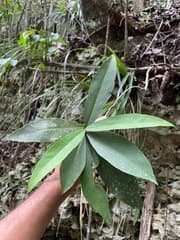
Cestrum capsulare is a woody shrub or small tree, typically arboreal, characterized by its alternate, simple, ovate-lanceolate leaves. It produces small, often cream-colored flowers arranged in terminal or axillary inflorescences, which develop into small fruits.