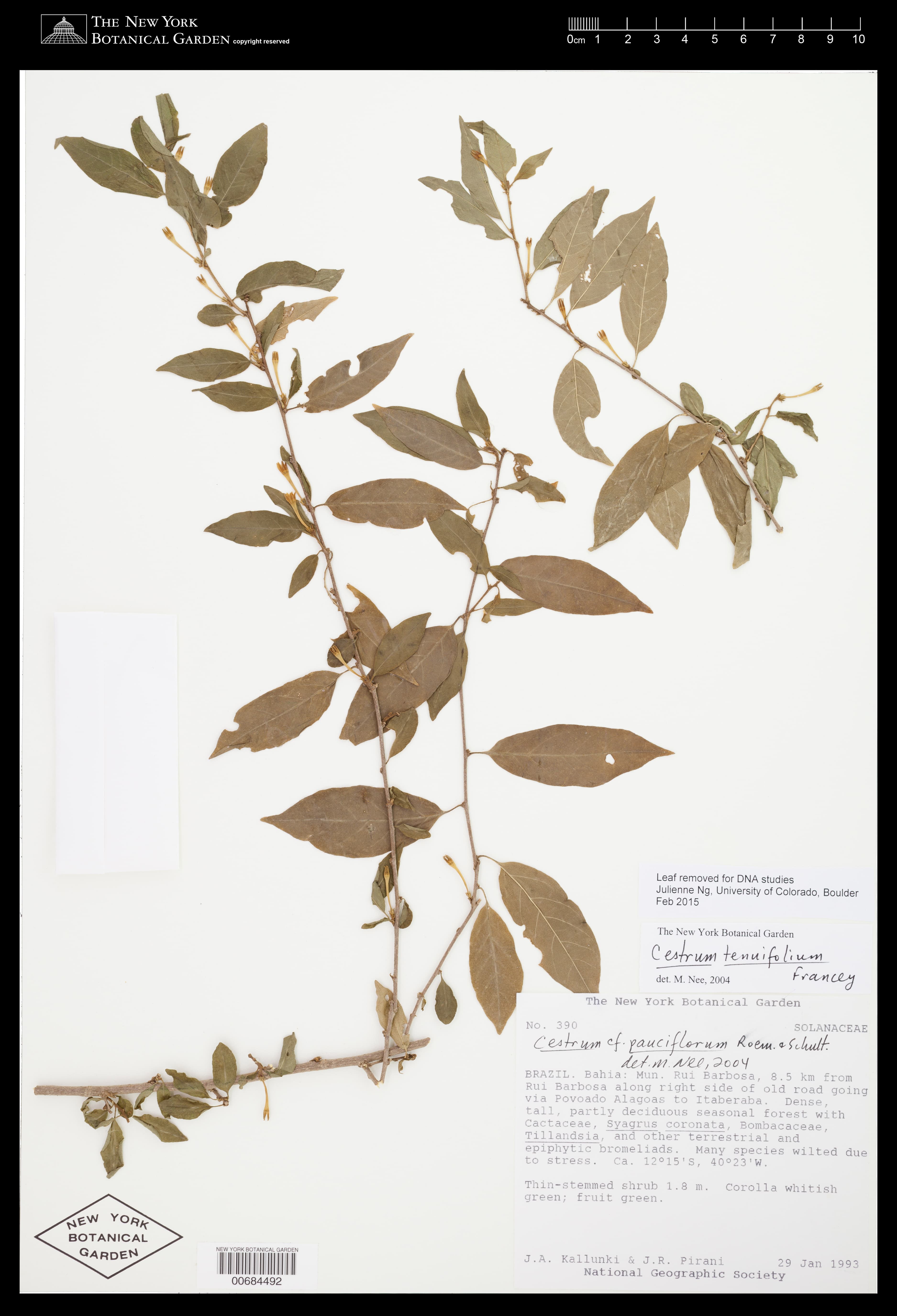
Cestrum pauciflorum
Image: The New York Botanical Garden (cc-by)
NameCestrum pauciflorum
Scientific NameCestrum pauciflorum Roem. & Schult.
Plant FamilySolanaceae
Natural HabitatNative to Brazil, specifically the state of Bahia, where it is found in dense, partly deciduous seasonal forests. It grows alongside diverse flora including palms, Bombacaceae, Cactaceae, and various terrestrial and epiphytic bromeliads.
Parts Usedleaf,flower,fruit
Traditional UsesSpecific traditional medicinal uses for Cestrum pauciflorum are not well-documented. The genus Cestrum is generally known for containing toxic compounds, and while some species have been used with extreme caution in traditional medicine for conditions like fever and pain, this is often associated with significant risks.
Active ConstituentsSteroidal glycosides, saponins, alkaloids
Contraindications & WarningsThe genus Cestrum is known to contain toxic compounds, including steroidal saponins and alkaloids, which can be poisonous to humans and livestock. Ingestion can cause gastrointestinal upset, neurological symptoms, and cardiac issues. Use of any part of this plant is highly discouraged without expert guidance due to potential toxicity.
Cultivation NotesThis thin-stemmed shrub thrives in dense, partly deciduous seasonal forests. It prefers conditions similar to its native habitat in Bahia, Brazil, which includes a warm climate and potentially some seasonal dryness. It can grow up to 1.8 meters in height.
Rarityuncommon
Description
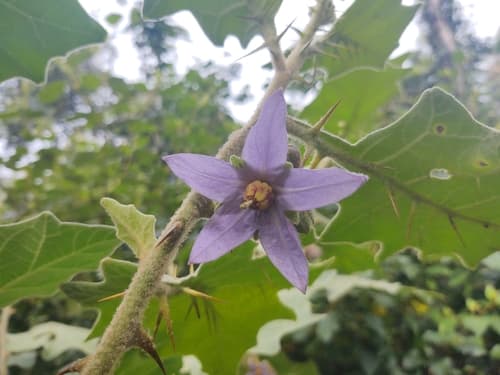
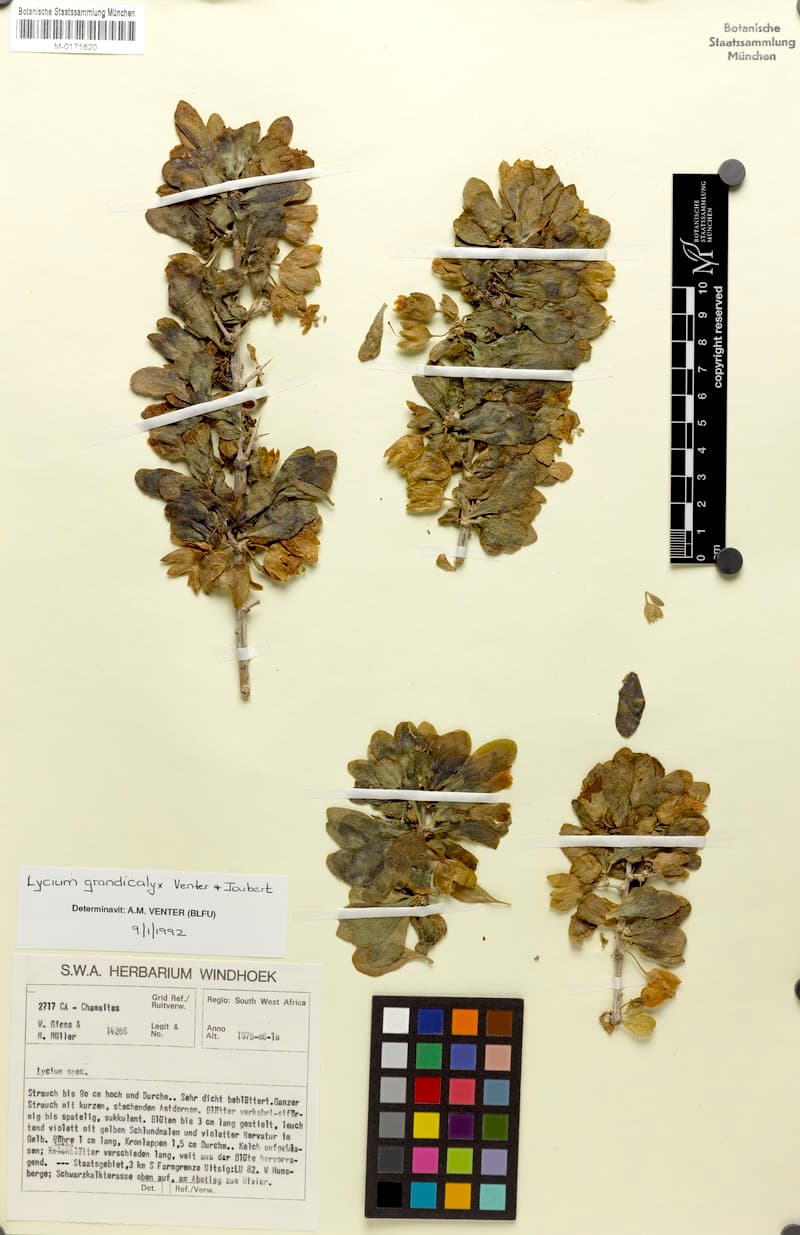
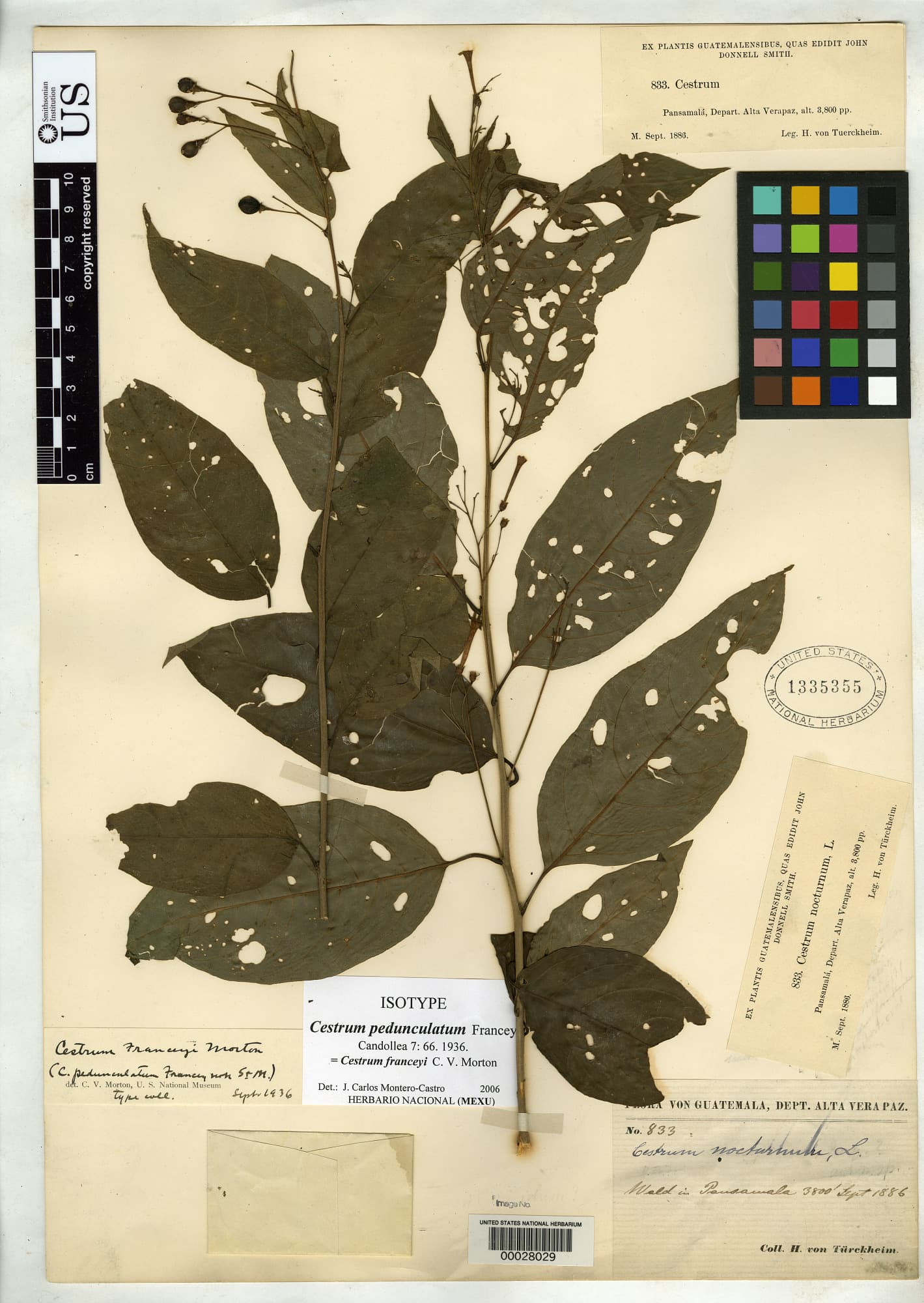
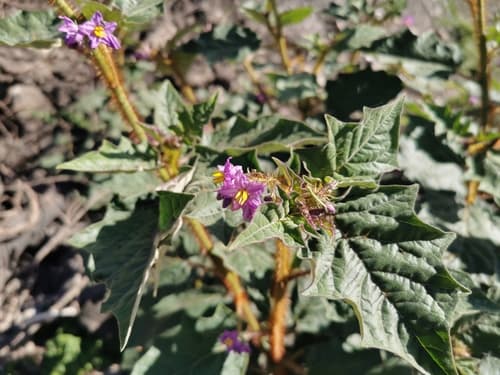
Cestrum pauciflorum is a thin-stemmed shrub that typically grows up to 1.8 meters tall. It produces whitish-green corollas and develops green fruits.