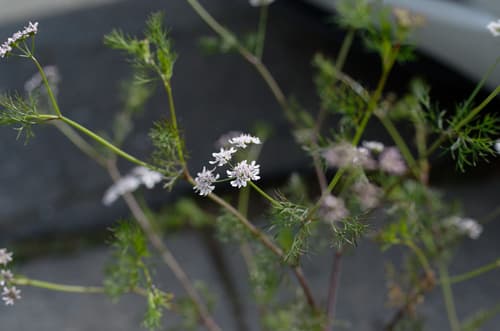
Cilantro / Coriander
NameCilantro / Coriander
Scientific NameCoriandrum sativum
Common NamesCilantro, Coriander, Chinese parsley, Dhania
Plant FamilyApiaceae
Natural HabitatNative to Southern Europe, North Africa, and Western Asia, it is now cultivated globally in temperate and subtropical regions. It thrives in well-drained soil and full sun.
Parts Usedleaf,seed,whole_plant
Medicinal Actionscarminative, antioxidant, antimicrobial, anti-inflammatory
Traditional UsesTraditionally, coriander has been used to aid digestion, relieve flatulence, and stimulate appetite. It is also employed for its anti-inflammatory properties and as a general digestive tonic, often incorporated into teas or culinary dishes.
Active ConstituentsLinalool, Geraniol, Coriandrin, Flavonoids, Phenolic acids
Preparation Methodsinfusion, powder, essential oil, tincture
Contraindications & WarningsGenerally considered safe for consumption. However, some individuals may experience allergic reactions. Large doses may interact with blood-thinning medications or medications for diabetes, potentially lowering blood sugar.
Cultivation NotesCoriander prefers full sun and well-drained soil. It is a cool-season crop that tends to bolt (go to seed) quickly in hot weather. Succession planting can ensure a continuous harvest of leaves.
Raritycommon
Description
Coriander is an annual herbaceous plant characterized by its delicate, finely divided leaves and small, pale pink to white flowers arranged in compound umbels. Both the fresh leaves (cilantro) and the dried seeds (coriander) are widely used as culinary herbs and for their medicinal properties.