Solanum phoxocarpum
NameSolanum phoxocarpum
Scientific NameSolanum phoxocarpum
Common NamesJurubeba-do-cerrado, Jurubeba
Plant FamilySolanaceae
Natural HabitatNative to South America, particularly Brazil, where it thrives in the Cerrado biome. It is often found in open fields, disturbed areas, and forest edges, adapting to various soil types.
Parts Usedfruit,leaf,root
Medicinal Actionsanti-inflammatory, antioxidant, diuretic
Traditional UsesIn traditional Brazilian medicine, species related to *Solanum phoxocarpum* (collectively known as 'jurubeba') are used as a bitter tonic for digestive disorders, liver complaints, fevers, and as a diuretic. Specific medicinal uses for *S. phoxocarpum* itself are less documented but are often inferred from its close relatives within the 'jurubeba' complex.
Active Constituentssteroidal glycoalkaloids, solasodine, solamargine
Preparation Methodsinfusion, decoction, tincture
Contraindications & WarningsAll parts of *Solanum phoxocarpum*, especially unripe fruits, contain toxic steroidal glycoalkaloids. Consumption can cause gastrointestinal upset, neurological symptoms, and liver damage. Not recommended for pregnant or breastfeeding women, children, or individuals with liver, kidney, or heart conditions. Consult a healthcare professional before use due to potential toxicity and drug interactions.
Cultivation NotesPrefers tropical to subtropical climates with full sun exposure and well-drained, fertile soil. It is relatively drought-tolerant once established but benefits from regular watering during dry periods. Propagation is typically by seed.
Raritycommon
Description
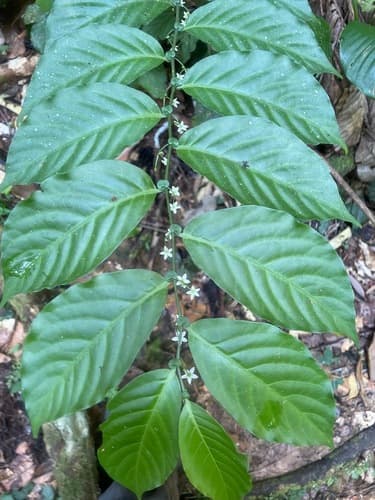
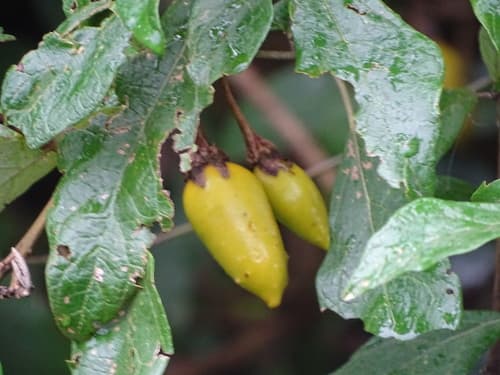
A shrub or small tree characterized by its lobed, often hairy leaves and elongated, yellowish-green fruits that ripen to yellow or orange. The fruits are typically ovoid to ellipsoid and hang in clusters.