Solanum leptopodum
NameSolanum leptopodum
Scientific NameSolanum leptopodum
Plant FamilySolanaceae
Natural HabitatNative to the Atlantic Forest biome of Brazil, thriving in humid, subtropical to tropical environments, often found in the understory of forests.
Parts Usedleaf,fruit
Medicinal Actionsanti-inflammatory, antimicrobial, antioxidant, analgesic
Traditional UsesWhile specific ethnobotanical uses for Solanum leptopodum are not widely documented, other species within the Solanum genus are traditionally used externally for skin conditions, wounds, and inflammation. Some are also used internally (with extreme caution due to toxicity) for pain relief or fevers.
Active Constituentssteroidal glycoalkaloids, flavonoids, phenolic compounds
Preparation Methodspoultice, decoction, powder
Contraindications & WarningsAll parts of Solanum leptopodum, particularly unripe fruits, are likely toxic due to the presence of steroidal glycoalkaloids. Ingestion can cause severe gastrointestinal upset, neurological symptoms, and is strictly contraindicated for pregnant/nursing women, children, and individuals with liver or kidney conditions. Use with extreme caution and only under expert guidance.
Cultivation NotesPrefers humid, warm climates with well-drained, rich organic soil and partial shade, mimicking its natural Atlantic Forest understory habitat. Requires consistent moisture but not waterlogging.
Rarityuncommon
Description
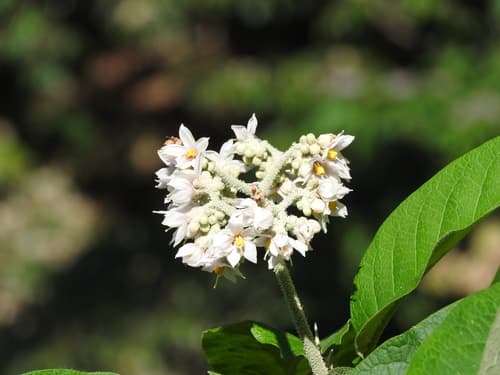
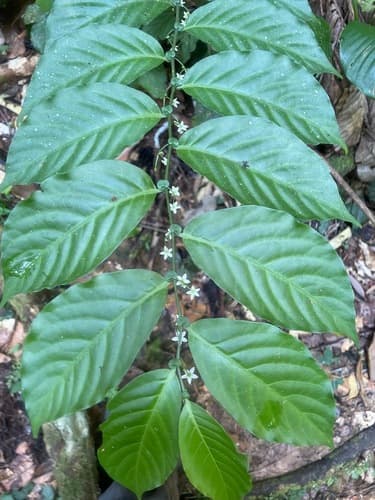
A herbaceous plant or small shrub characterized by large, ovate to elliptic, dark green leaves with prominent venation. It produces small, star-shaped white flowers arranged in delicate axillary or terminal inflorescences along the stem.