Cuscuta polyanthemos
NameCuscuta polyanthemos
Scientific NameCuscuta polyanthemos
Common NamesDodder, Pelo de Diablo, Cabello de Ángel
Plant FamilyConvolvulaceae
Natural HabitatNative to South America, particularly Chile and Argentina, where it parasitizes various herbaceous and woody plants in disturbed areas, fields, and along roadsides.
Parts Usedwhole_plant,seed
Medicinal Actionsantioxidant, anti-inflammatory, diuretic, adaptogen
Traditional UsesTraditionally used in South American folk medicine and similar species in Traditional Chinese Medicine as a general tonic, to support kidney and liver function, improve vision, strengthen bones, and address inflammatory conditions. The seeds are often used to treat impotence and premature ejaculation.
Active ConstituentsFlavonoids, Lignans, Polysaccharides, Coumarins
Preparation Methodsinfusion, decoction, tincture, powder
Contraindications & WarningsNot recommended for pregnant or lactating women. Individuals with qi deficiency or excessive urination should use with caution. May interact with medications affecting fluid balance or blood sugar.
Cultivation NotesAs an obligate parasitic plant, Cuscuta polyanthemos requires a host plant for survival and cannot be cultivated independently. It is often considered a weed in agricultural settings.
Raritycommon
Description
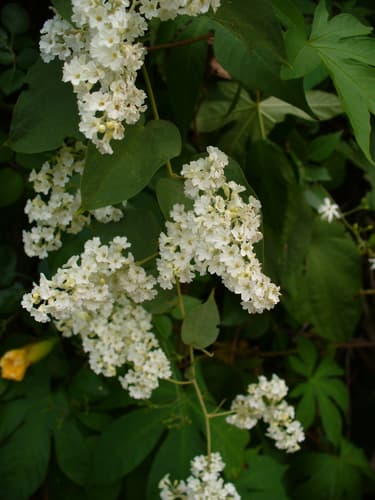
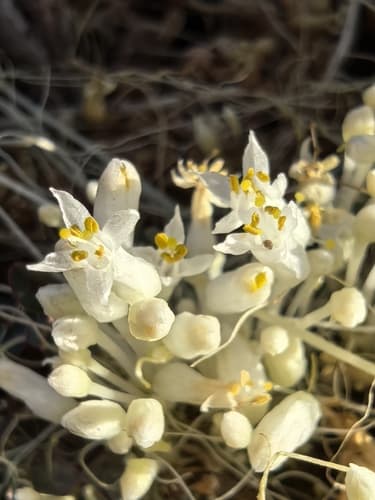
This parasitic annual plant features slender, leafless, thread-like stems that twine around host vegetation. It produces clusters of small, white, bell-shaped flowers, each with five petals and prominent yellow anthers, as seen in the image.