Lance-leaf Elm
NameLance-leaf Elm
Scientific NameUlmus lanceifolia
Common NamesLance-leaf Elm, Himalayan Elm
Plant FamilyUlmaceae
Natural HabitatNative to the Himalayan region and parts of Southeast Asia, thriving in moist, temperate forests, often found along riverbanks and in valleys.
Parts Usedbark,leaf
Medicinal Actionsdemulcent, anti-inflammatory, astringent
Traditional UsesTraditionally, the inner bark of elm species, including Ulmus lanceifolia where available, has been used to soothe inflamed mucous membranes in the digestive, respiratory, and urinary tracts. It is often employed for coughs, sore throats, gastritis, and as a poultice for skin irritations and wounds.
Active ConstituentsMucilage, Tannins, Flavonoids
Preparation Methodsinfusion, decoction, powder, poultice, salve
Contraindications & WarningsDue to its high mucilage content, elm bark can reduce the absorption of other orally administered medications if taken concurrently. It is generally considered safe, but pregnant or breastfeeding individuals should consult a healthcare professional.
Cultivation NotesPrefers full sun to partial shade and moist, well-drained soils. It is a hardy tree that can tolerate a range of soil types but thrives in rich, loamy conditions.
Rarityuncommon
Description
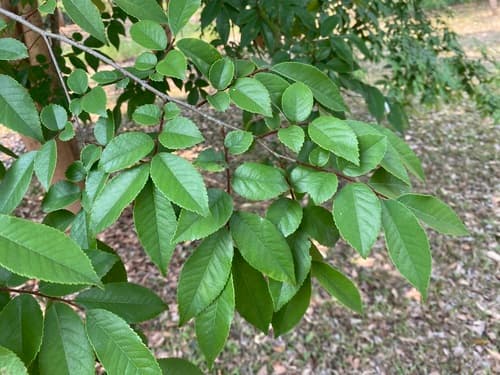
Ulmus lanceifolia is a medium to large deciduous tree characterized by its simple, alternate, lanceolate to ovate-lanceolate leaves with distinctly serrated margins. The leaves are typically bright green, often with an asymmetrical base, and grow on slender branches.