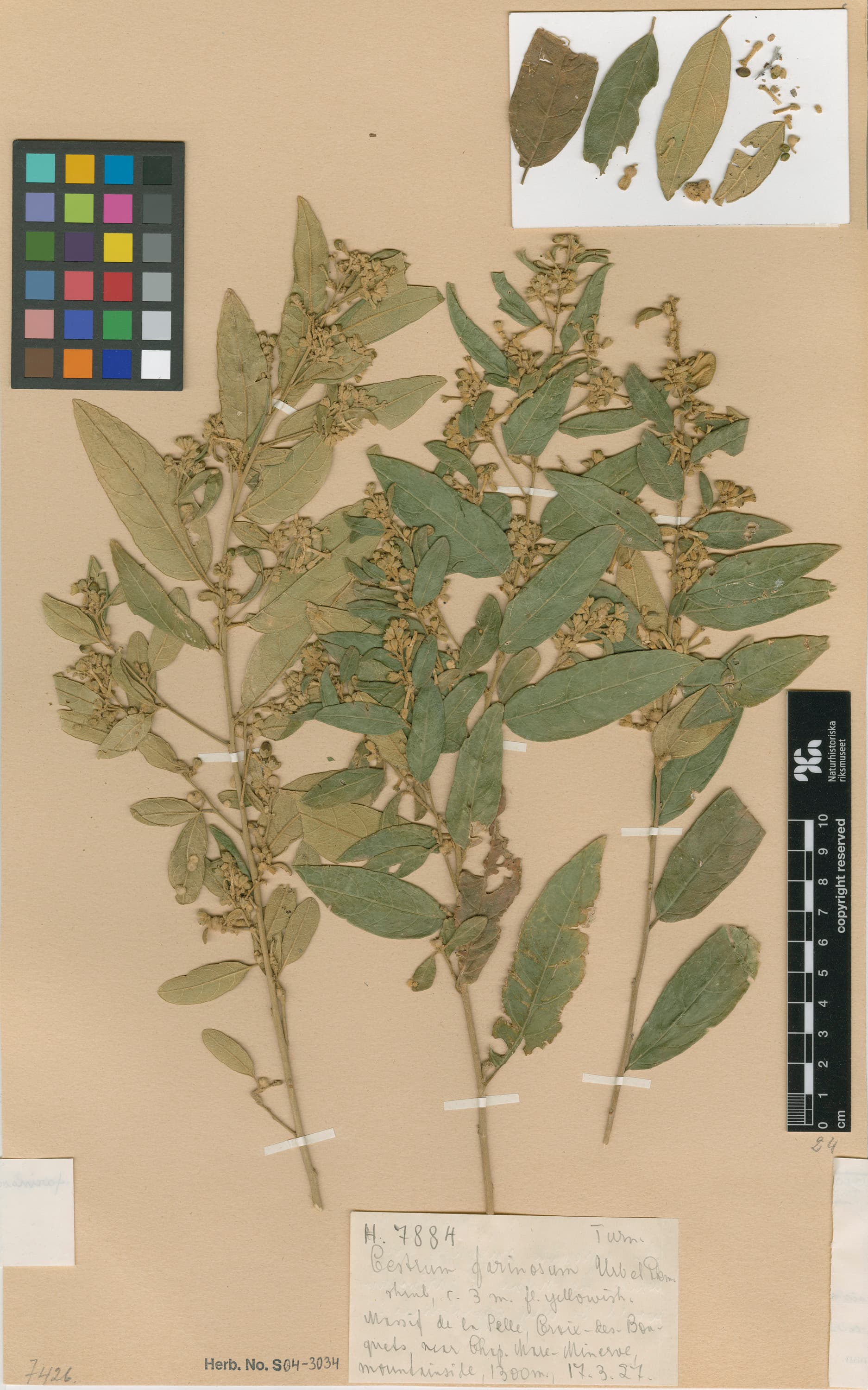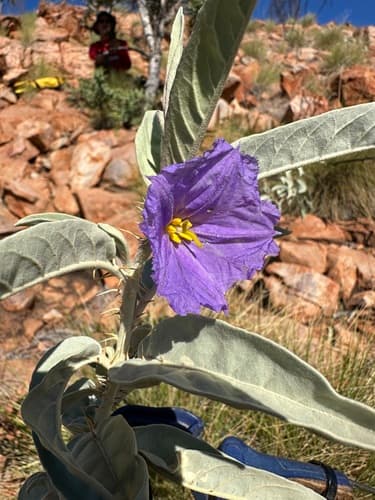
Solanum nectarifolium
NameSolanum nectarifolium
Scientific NameSolanum nectarifolium
Common NamesNectar-leaf Nightshade
Plant FamilySolanaceae
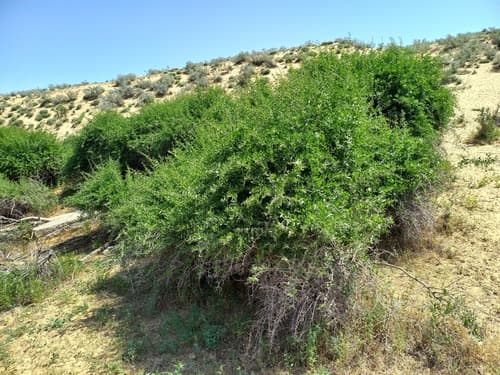
Natural HabitatNative to arid and semi-arid regions of Australia, often found in rocky soils, open woodlands, and disturbed areas, thriving in harsh, dry conditions.
Parts Usedfruit,leaf
Medicinal Actionsanti-inflammatory, antimicrobial
Traditional UsesWhile specific traditional medicinal uses for Solanum nectarifolium are not widely documented, many Solanum species in Australia have been traditionally used by Indigenous Australians. Ripe fruits of some related species are consumed as food, often after drying or cooking to reduce bitterness and potential toxicity. Externally, poultices made from leaves of certain Solanum species have been applied for skin ailments or to alleviate localized pain.
Active Constituentssteroidal glycoalkaloids, flavonoids, phenolic compounds
Preparation Methodspowder, poultice
Contraindications & WarningsDue to the presence of steroidal glycoalkaloids, all parts of Solanum nectarifolium, especially unripe fruits, should be considered potentially toxic if ingested without proper preparation. Contraindicated for pregnant or lactating individuals, children, and those with liver or kidney conditions. Consultation with a qualified expert is essential before any internal use.
Cultivation NotesPrefers full sun and well-drained, sandy or rocky soils. It is highly drought-tolerant once established and can be propagated by seed. Requires minimal watering and is adapted to harsh, arid environments.
Rarityuncommon
Description
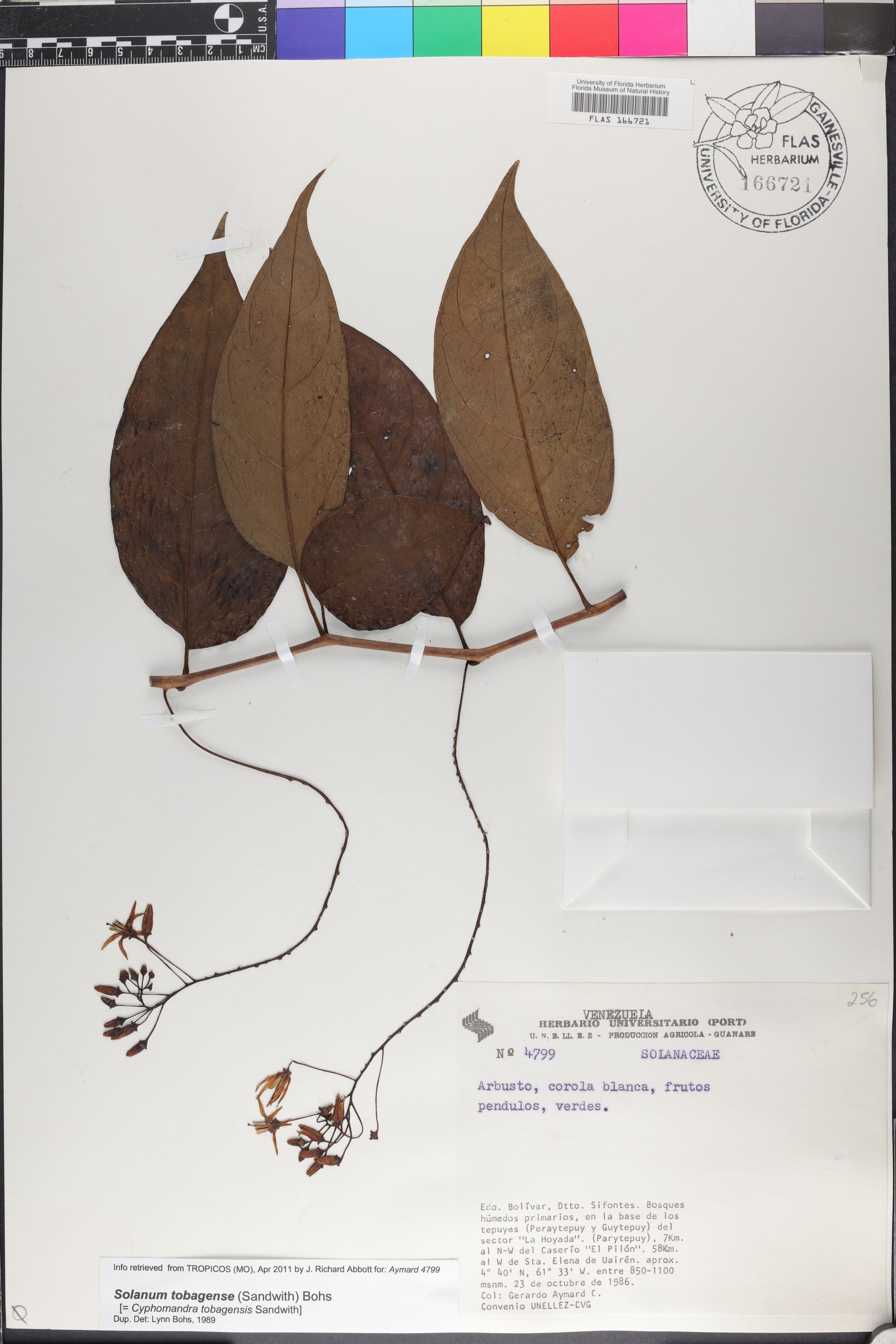
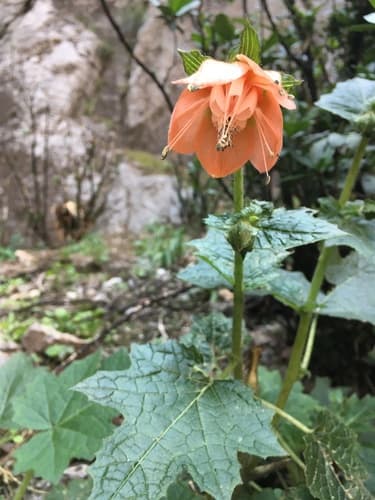
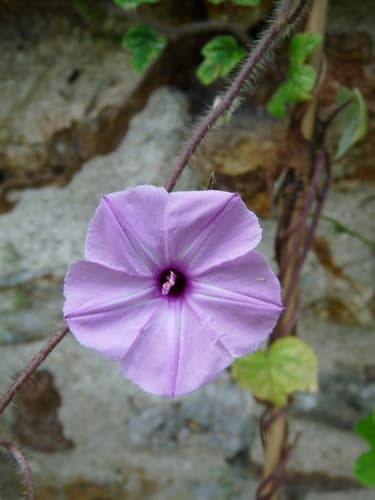
A thorny perennial shrub characterized by large, ovate, silvery-grey, densely pubescent leaves and vibrant purple, star-shaped flowers with prominent yellow anthers. Its stems are also covered in fine hairs and sharp prickles, typical of many Solanum species.