Nasa magnifica
NameNasa magnifica
Scientific NameNasa magnifica
Common NamesFlor de la Nasa
Plant FamilyLoasaceae
Natural HabitatNative to the humid montane cloud forests and rocky slopes of the Andes, primarily found in regions of Peru and Ecuador, thriving in cool, moist environments.
Parts Usedleaf,whole_plant
Medicinal Actionsanalgesic, anti-inflammatory
Traditional UsesWhile specific traditional medicinal uses for Nasa magnifica are not widely documented, other species in the Loasaceae family, known for their stinging hairs, have been traditionally used externally as counter-irritants or rubefacients to alleviate localized pain or inflammation.
Active Constituentsirritating compounds in stinging hairs
Preparation Methodspoultice
Contraindications & WarningsDirect contact with the plant's stinging hairs can cause significant skin irritation, redness, and pain. Internal use is not recommended due to lack of documented safety and potential for irritation.
Cultivation NotesPrefers cool, humid conditions with well-drained, rich soil and partial shade. It can be challenging to cultivate outside its native Andean habitat and requires protection from frost.
Rarityuncommon
Description
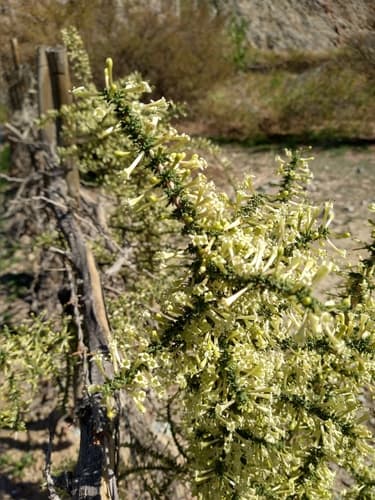
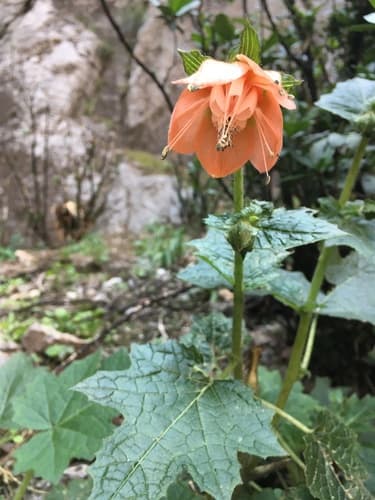
Nasa magnifica is an herbaceous plant characterized by its large, textured, palmate-lobed leaves and striking, pendulous, bell-shaped flowers. The flowers are typically orange-pink, featuring prominent stamens and pistil, and the plant is known for its stinging hairs.