Lycium flexicaule
NameLycium flexicaule
Scientific NameLycium flexicaule
Common NamesFlexible-stemmed Wolfberry, Desert Wolfberry
Plant FamilySolanaceae
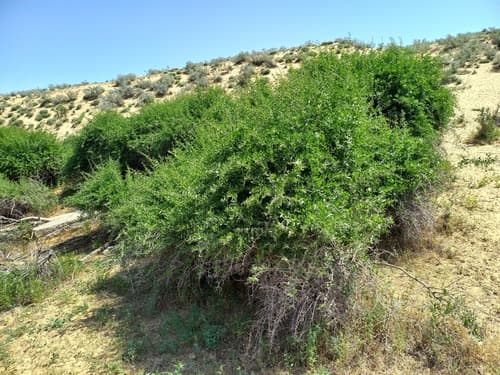
Natural HabitatThis species thrives in arid and semi-arid regions, including deserts, sandy areas, saline soils, and dry riverbeds. It is native to Central Asia, including parts of Kazakhstan, Uzbekistan, Afghanistan, Iran, and western China.
Parts Usedfruit,root,bark,leaf
Medicinal Actionsadaptogen, antioxidant, anti-inflammatory
Traditional UsesTraditionally, the berries are consumed to nourish the liver and kidneys, improve vision, and enhance overall vitality, similar to other wolfberry species. The root bark is used in some traditional systems as an antipyretic to reduce fever.
Active ConstituentsLycium barbarum polysaccharides (LBP), carotenoids (zeaxanthin, beta-carotene), flavonoids, betaine, vitamins (C, A)
Preparation Methodsinfusion, decoction, powder
Contraindications & WarningsMay interact with anticoagulant medications (e.g., warfarin) due to the presence of coumarins. Individuals with diabetes should monitor blood sugar levels as it may affect them.
Cultivation NotesLycium flexicaule is highly drought-tolerant and prefers full sun exposure. It adapts well to poor, well-drained soils, including sandy or loamy types, and can tolerate saline conditions.
Rarityuncommon
Description
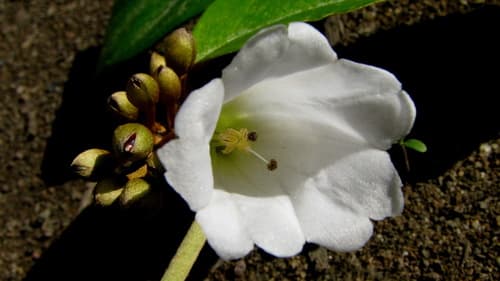
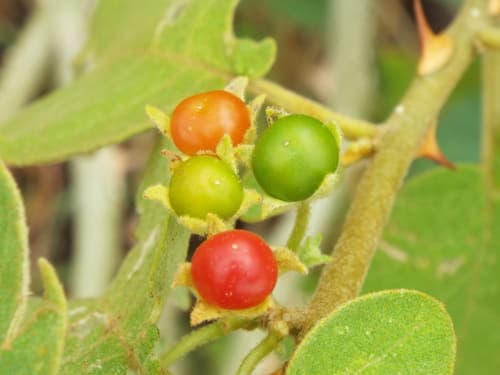
Lycium flexicaule is a thorny, deciduous shrub typically growing 1-2 meters tall, characterized by its flexible, often arching branches and small, spatulate to linear-lanceolate leaves. It produces small purplish flowers followed by red, edible berries.