Solanum juninense
NameSolanum juninense
Scientific NameSolanum juninense
Common NamesWild Potato Relative
Plant FamilySolanaceae
Natural HabitatNative to the Andean regions of Peru, particularly the Junín department. It typically grows in high-altitude environments, including rocky slopes, disturbed areas, and agricultural margins.
Parts Used
Traditional UsesSpecific traditional medicinal uses for Solanum juninense are not widely documented in ethnobotanical literature. It is primarily recognized as a wild relative of the cultivated potato, valued for its genetic diversity rather than direct medicinal application.
Active ConstituentsSteroidal glycoalkaloids (e.g., solanine, chaconine derivatives)
Contraindications & WarningsAll parts of Solanum juninense, especially foliage and unripe fruits, are likely toxic due to the presence of steroidal glycoalkaloids. Consumption is generally not recommended. Contraindicated in pregnancy, lactation, and for individuals sensitive to nightshade plants.
Cultivation NotesThis species thrives in cool, high-altitude conditions with well-drained soil and full sun exposure. It is often cultivated in research settings for its genetic value in potato breeding programs.
Rarityuncommon
Description
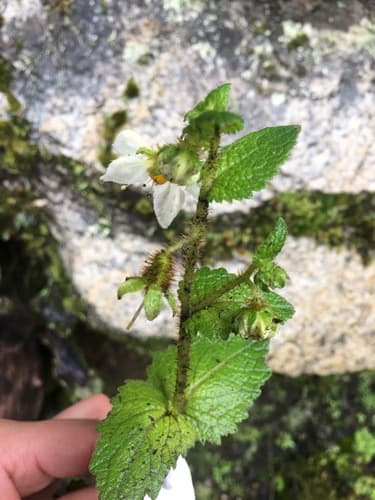
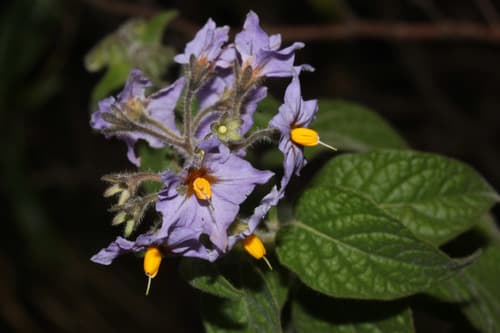
Solanum juninense is a perennial herbaceous plant characterized by its purple, star-shaped flowers with prominent yellow anthers. Its leaves are green, ovate to lanceolate, and often appear textured or slightly hairy. It is a wild potato species, primarily known for its genetic contribution to cultivated potatoes.