Ipomoea bonsai
NameIpomoea bonsai
Scientific NameIpomoea purpurea
Common NamesMorning Glory, Common Morning Glory, Tall Morning Glory
Plant FamilyConvolvulaceae
Natural HabitatWidely naturalized across tropical and temperate regions, often found in disturbed areas like roadsides, fields, waste grounds, and gardens. It prefers full sun and well-drained soil.
Parts Usedseed,leaf,root
Medicinal Actionsnervine, sedative, antioxidant, anti-inflammatory
Traditional UsesThe seeds have been traditionally used as a strong purgative and, in some cultures, for their psychoactive properties in ritualistic contexts. Leaves and roots have been applied topically for skin ailments and internally for digestive issues.
Active ConstituentsErgoline alkaloids, glycosides, flavonoids, tannins
Preparation Methodspowder, infusion, decoction
Contraindications & WarningsPregnancy, breastfeeding, severe gastrointestinal conditions, heart conditions, and psychiatric disorders. Seeds are toxic in high doses and can cause nausea, vomiting, and hallucinations. Avoid use without expert guidance.
Cultivation NotesEasily grown from seed in full sun and well-drained soil. Requires a trellis or support for its climbing habit. Can become invasive in suitable climates due to prolific self-seeding.
Raritycommon
Description
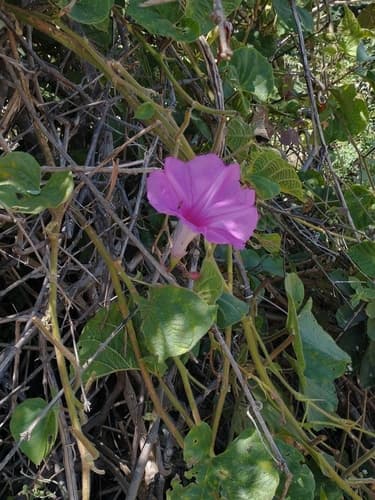
A vigorous annual climbing vine characterized by heart-shaped to trilobed leaves and showy, trumpet-shaped flowers that typically unfurl in the morning. Flowers range in color from purple and pink to blue or white, often with a lighter throat.