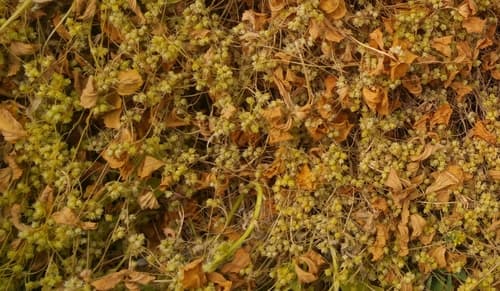
Cuscuta pedicellata
NameCuscuta pedicellata
Scientific NameCuscuta pedicellata
Common NamesDodder, Pedicellate Dodder, Love Vine
Plant FamilyConvolvulaceae
Natural HabitatAs a parasitic plant, it grows on various host plants in disturbed areas, fields, roadsides, and agricultural lands. It is found in warm temperate to tropical regions, particularly in parts of Africa, Asia, and the Mediterranean.
Parts Usedwhole_plant,seed
Medicinal Actionsantioxidant, anti-inflammatory, diuretic, antimicrobial
Traditional UsesTraditionally, *Cuscuta* species have been used in folk medicine to support kidney and liver function, improve vision, and address issues related to male fertility and vitality. It has also been used for skin conditions and as a general tonic.
Active ConstituentsFlavonoids, Lignans, Polysaccharides, Alkaloids
Preparation Methodsinfusion, decoction, powder, tincture
Contraindications & WarningsPregnancy and lactation due to lack of safety data. Potential interactions with blood thinners or other medications. Internal use should be approached with caution and expert guidance.
Cultivation NotesThis is a parasitic plant that cannot be cultivated independently. It requires a host plant to grow and is often considered an agricultural weed, spreading primarily via seeds.
Raritycommon
Description
Cuscuta pedicellata is a parasitic annual plant characterized by its thread-like, yellowish-green, leafless stems that twine around host plants. It produces clusters of small, often whitish or yellowish flowers, followed by small, globular fruits containing seeds.