Nasa raimondii
NameNasa raimondii
Scientific NameNasa raimondii
Common NamesOrtiga brava (general term), Raimondi's Nasa
Plant FamilyLoasaceae
Natural HabitatEndemic to the high-altitude Andean regions of Peru, typically found in humid, rocky environments, often near water sources like streams or waterfalls, at elevations between 3000 and 4000 meters.
Parts Usedwhole_plant,leaf,flower
Medicinal Actionsanti-inflammatory, analgesic
Traditional UsesTraditionally, some *Nasa* species are used topically as a counter-irritant for rheumatic pain, muscle aches, and localized inflammation. The stinging hairs are sometimes intentionally applied to stimulate blood flow and alleviate deep-seated pain.
Active Constituentsflavonoids, tannins
Preparation Methodspoultice, infusion
Contraindications & WarningsDirect contact with the stinging hairs can cause significant skin irritation, redness, and itching. Internal use should be approached with caution due to potential gastrointestinal irritation if not properly prepared.
Cultivation NotesRequires specific high-altitude, cool, and humid conditions with well-drained soil, making it challenging to cultivate outside its native Andean habitat.
Rarityuncommon
Description
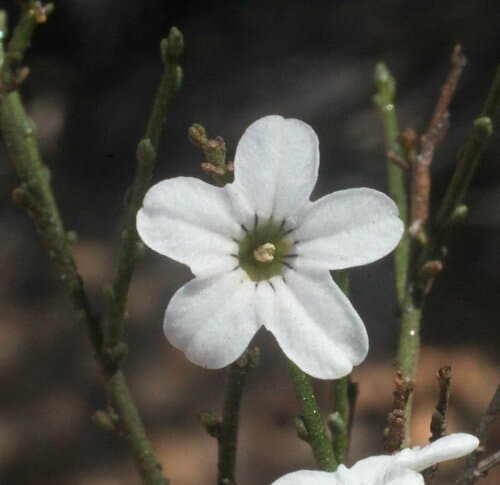
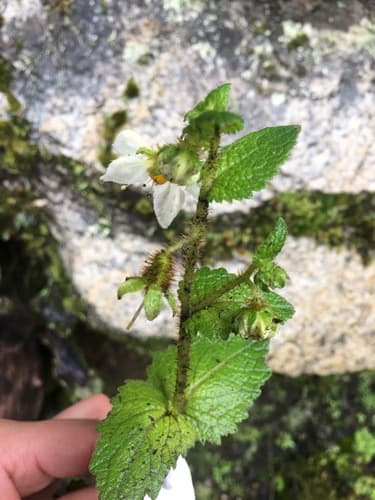
This herbaceous plant is characterized by its rough, serrated leaves and stems covered in stinging hairs (glochids). It produces delicate white flowers with prominent yellow stamens, often followed by spiky, developing fruits.