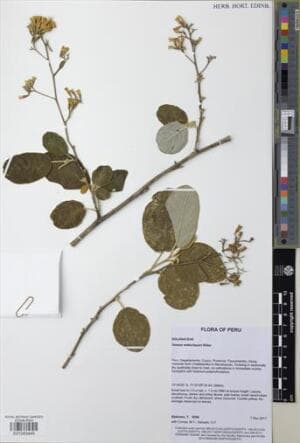
Solanum hypaleurotrichum
NameSolanum hypaleurotrichum
Scientific NameSolanum hypaleurotrichum
Plant FamilySolanaceae
Natural HabitatThis species is native to the Andean regions of South America, typically found in montane cloud forests and high-altitude environments.
Parts Usedfruit,leaf
Medicinal Actionsanti-inflammatory, antimicrobial
Traditional UsesSpecific, well-documented safe traditional medicinal uses for Solanum hypaleurotrichum are scarce in general ethnobotanical literature. Like many species in the Solanum genus, it is presumed to contain steroidal glycoalkaloids, which can be toxic. While some Solanum species are used topically for inflammation or skin conditions, internal use of this plant, especially its unripe fruits, is generally not recommended due to potential toxicity.
Active Constituentssteroidal glycoalkaloids
Preparation Methodspoultice
Contraindications & WarningsAll parts of Solanum hypaleurotrichum, particularly the unripe fruits, are likely toxic due to the presence of steroidal glycoalkaloids. Ingestion can cause gastrointestinal upset, neurological symptoms, and other adverse effects. It is not recommended for internal consumption and should be handled with caution.
Cultivation NotesThis plant thrives in humid, cool montane climates, preferring well-drained soils typical of cloud forest environments. It is not widely cultivated and is primarily found in its natural habitat.
Rarityuncommon
Description
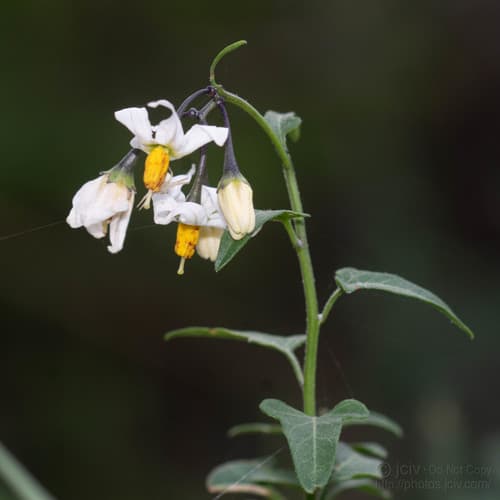
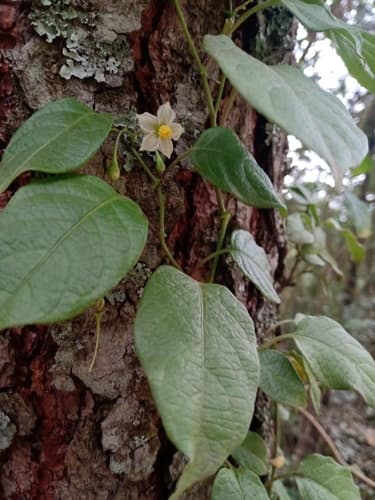
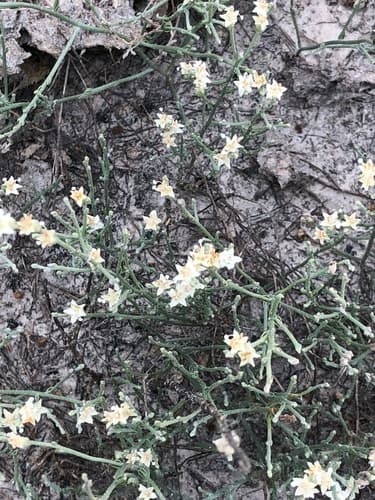
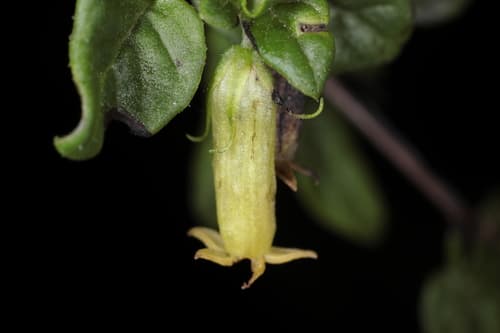
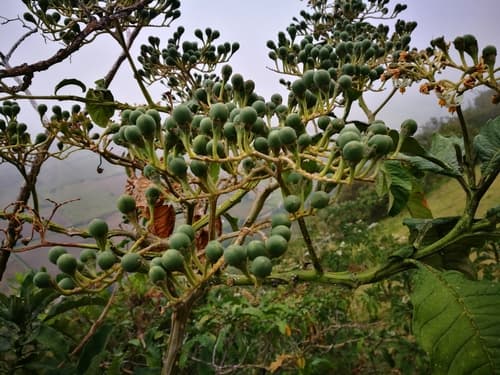
Solanum hypaleurotrichum is a shrub or small tree characterized by large, often hairy leaves and clusters of small, globose, green fruits. The image shows numerous unripe fruits developing along the branches, with some remnants of small, whitish flowers also visible.