Texas nightshade
NameTexas nightshade
Scientific NameSolanum triquetrum
Common NamesTexas nightshade, Cutleaf nightshade, Three-lobed nightshade
Plant FamilySolanaceae
Natural HabitatNative to the southern United States and Mexico, it commonly grows in woodlands, thickets, disturbed areas, roadsides, and along fences. It prefers moist, well-drained soils.
Parts Usedwhole_plant
Medicinal Actionsanti-inflammatory
Traditional UsesTexas nightshade is generally considered toxic due to the presence of steroidal glycoalkaloids, and its medicinal use is not widely documented or recommended. While some species within the Solanum genus have been used in traditional medicine, often externally for skin conditions or internally with extreme caution and specific processing, Solanum triquetrum is primarily known for its poisonous nature.
Active Constituentssteroidal glycoalkaloids, solanine
Preparation Methodspoultice, salve
Contraindications & WarningsAll parts of Solanum triquetrum, especially the unripe berries, are considered toxic. Ingestion can cause severe gastrointestinal upset, neurological symptoms, and can be fatal. It should not be used internally or externally without expert guidance. Pregnant or breastfeeding women, children, and individuals with liver or kidney conditions should strictly avoid this plant.
Cultivation NotesSolanum triquetrum is a hardy, fast-growing plant that thrives in full sun to partial shade and well-drained soils. It tolerates a range of soil types and is somewhat drought-tolerant once established. It can be propagated by seed or cuttings and may become weedy in suitable conditions.
Raritycommon
Description
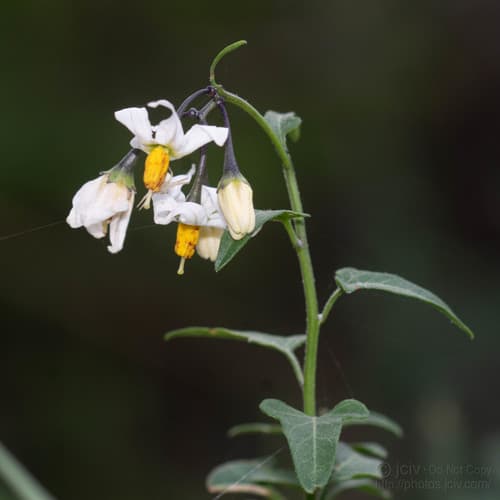
Solanum triquetrum is a perennial vine or sprawling herb characterized by slender stems and often three-lobed or hastate leaves. It produces small white to pale lavender flowers with prominent yellow anthers, typically followed by small red berries.