Solanum hibernum
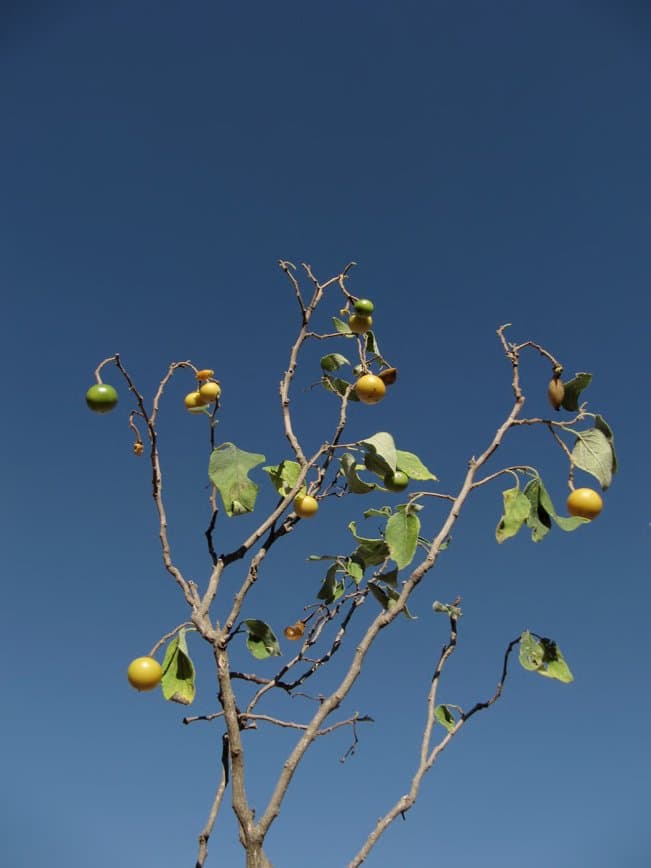
Image: G. A. Parada (cc-by-nc)
NameSolanum hibernum
Scientific NameSolanum hibernum Bohs
Plant FamilySolanaceae
Natural HabitatEndemic to Bolivia, found in dry inter-Andean valleys, often in disturbed areas, dry forests, or scrublands at elevations ranging from 1500 to 3000 meters.
Parts Used
Traditional UsesNo specific traditional medicinal uses for Solanum hibernum are widely documented in ethnobotanical literature. Many species within the Solanum genus are known for containing toxic compounds, and their use in traditional medicine often requires careful preparation and expert knowledge to mitigate risks.
Active ConstituentsSteroidal glycoalkaloids
Contraindications & WarningsAll parts of Solanum hibernum should be considered potentially toxic due to the likely presence of steroidal glycoalkaloids, common in the Solanum genus. Ingestion can cause severe gastrointestinal upset, neurological symptoms, and can be dangerous. Not recommended for internal use without expert guidance.
Cultivation NotesPrefers full sun and well-drained soil. It is likely drought-tolerant once established, typical of species originating from dry inter-Andean valleys.
Rarityuncommon
Description
A woody shrub or small tree, typically growing 1-3 meters tall, characterized by unarmed stems and ovate to elliptic leaves. It produces globose berries, 1-2 cm in diameter, which transition from green to yellow or orange as they ripen.