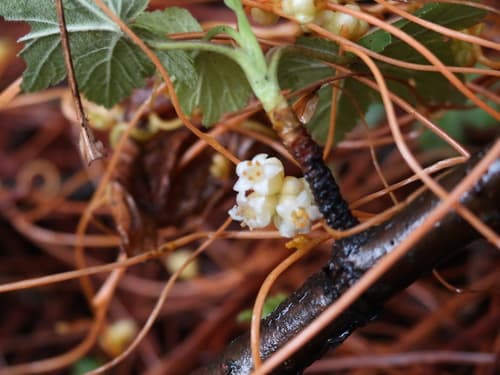
Cuscuta volcanica
NameCuscuta volcanica
Scientific NameCuscuta volcanica
Common NamesVolcanic Dodder, Dodder
Plant FamilyConvolvulaceae
Natural HabitatThis species is typically found in volcanic regions, often at higher altitudes, where it parasitizes various herbaceous and woody plants.
Parts Usedseed,whole_plant
Medicinal Actionsantioxidant, anti-inflammatory, diuretic, adaptogen
Traditional UsesIn traditional medicine, particularly Traditional Chinese Medicine (where related Cuscuta species are known as Tu Si Zi), the seeds are used to tonify kidney and liver yin, improve vision, strengthen bones, and address conditions such as impotence, premature ejaculation, frequent urination, and lower back pain.
Active Constituentsflavonoids, lignans, polysaccharides, saponins
Preparation Methodsinfusion, decoction, powder
Contraindications & WarningsContraindicated in cases of yin deficiency with heat signs, constipation, or dark urine. Pregnant women and individuals with existing medical conditions should consult a healthcare professional before use. May interact with medications affecting hormone levels.
Cultivation NotesAs an obligate parasitic plant, Cuscuta volcanica cannot be cultivated independently. It requires a suitable host plant for germination and growth, making controlled cultivation for medicinal purposes highly challenging and generally not practiced.
Rarityuncommon
Description
Cuscuta volcanica is a parasitic vine characterized by its slender, reddish-orange, thread-like stems that twine around host plants. It lacks true leaves, instead bearing minute scales, and produces small, whitish to cream-colored flowers clustered along its stems.