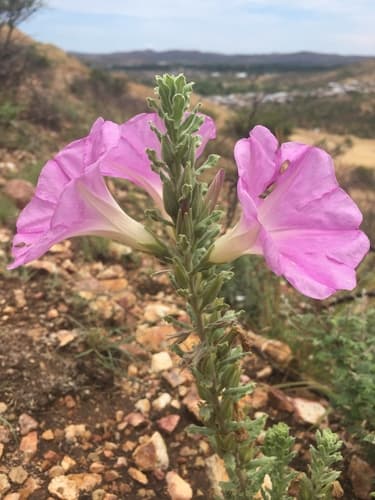
Ipomoea durangensis
NameIpomoea durangensis
Scientific NameIpomoea durangensis
Common NamesDurango Morning Glory
Plant FamilyConvolvulaceae
Natural HabitatNative to arid and semi-arid regions of Mexico (primarily Durango) and the southwestern United States, it thrives on rocky slopes, mesas, and grasslands at elevations between 1000 and 2500 meters.
Parts Used
Traditional UsesNo specific traditional medicinal uses are well-documented for Ipomoea durangensis in ethnobotanical literature. While some species within the Ipomoea genus are known for purgative or psychoactive properties, these are not attributed to I. durangensis.
Contraindications & WarningsNo specific contraindications or toxicity information are well-documented for Ipomoea durangensis. As with any plant, caution is advised, especially given the diverse chemical profiles and potential toxicity within the wider Ipomoea genus.
Cultivation NotesThis species prefers full sun and well-drained, rocky or sandy soils, typical of its native arid habitat. It is drought-tolerant once established and is generally hardy in warm, dry climates.
Rarityuncommon
Description
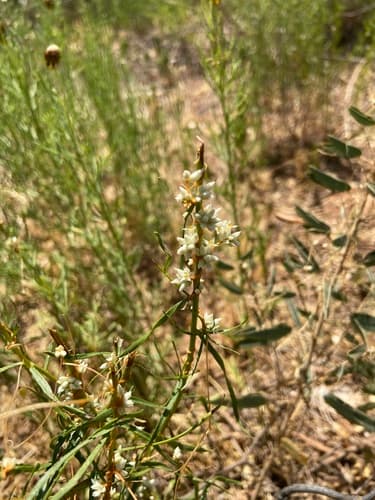
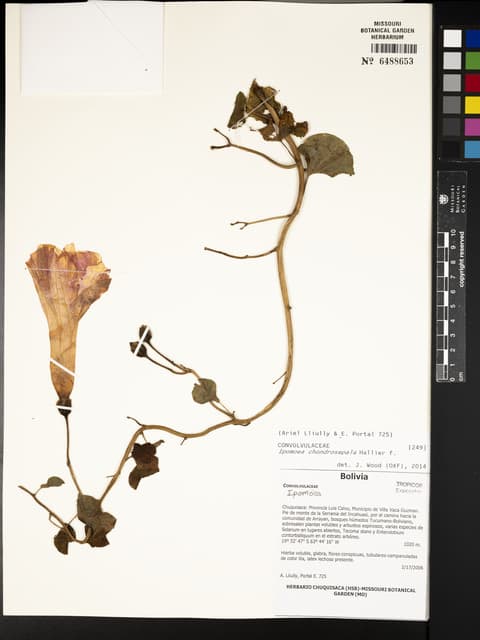
Ipomoea durangensis is an erect, herbaceous perennial, often woody at the base, characterized by its striking pink to purplish, trumpet-shaped flowers. The plant typically features narrow leaves or prominent bracts along its stem, which can grow up to 1 meter tall.