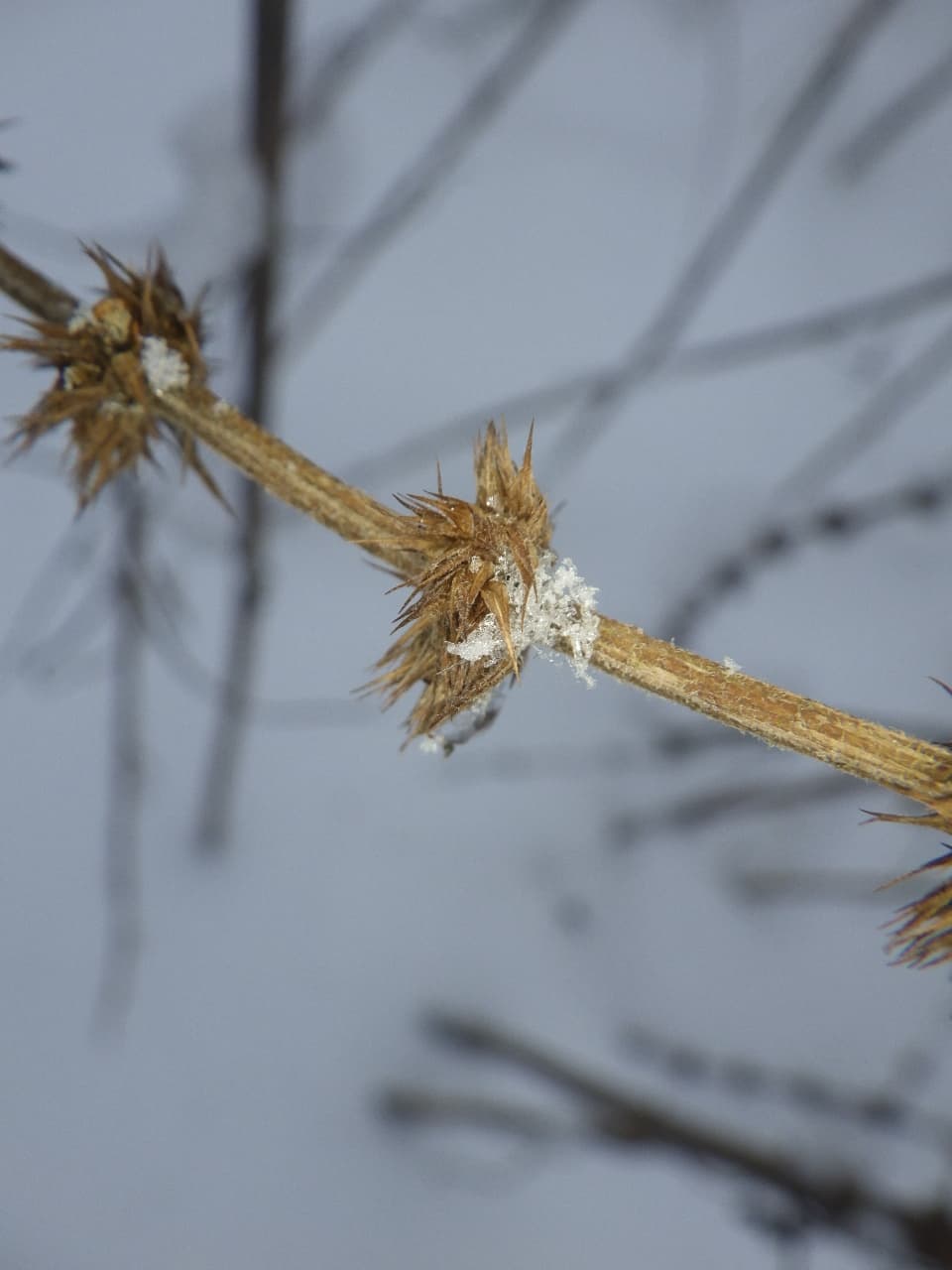
Sanicle
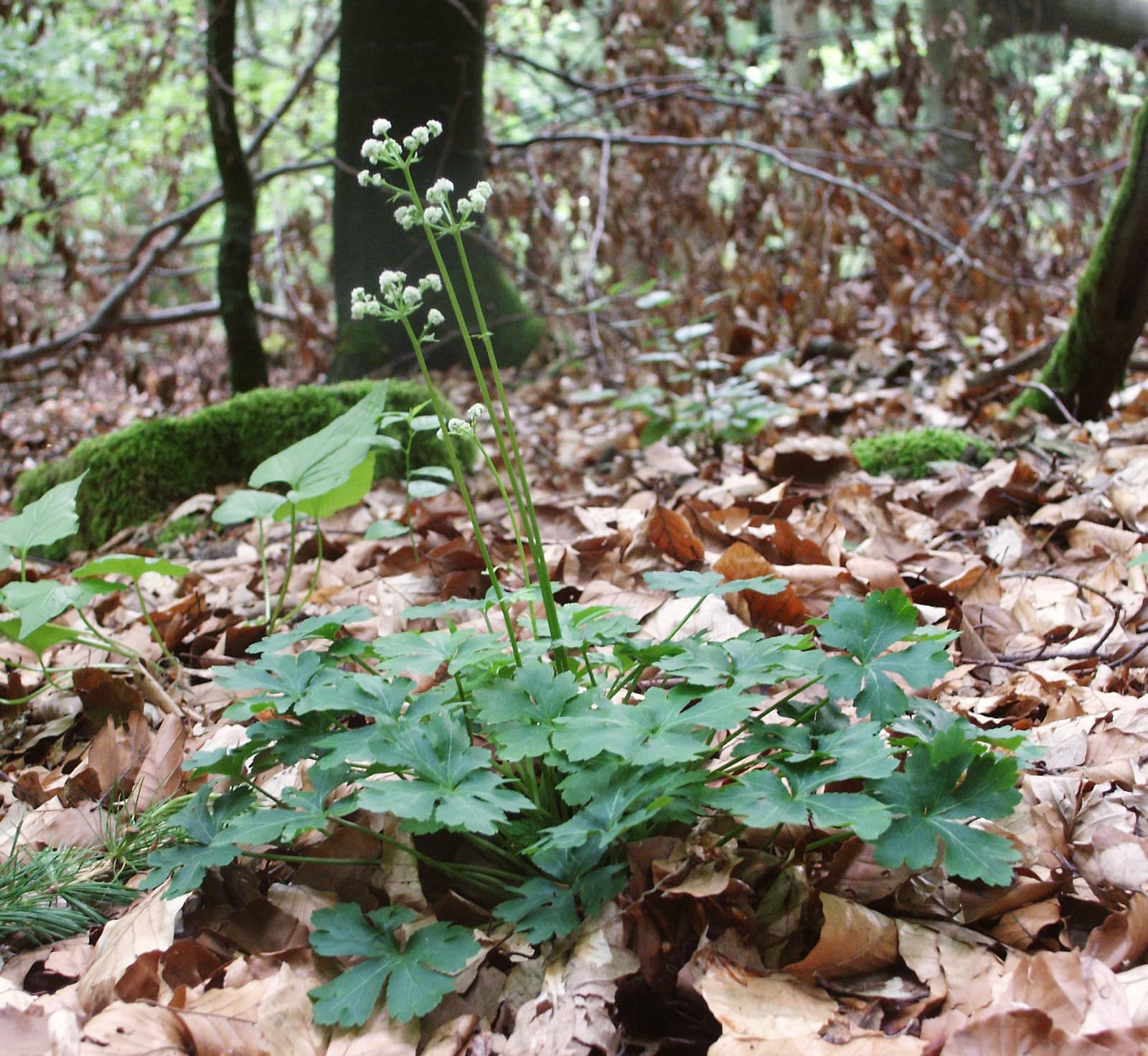
Image: Bernd Haynold (CC BY 2.5)
NameSanicle
Scientific NameSanicula europaea
Common NamesSanicle, Wood Sanicle, European Sanicle
Plant FamilyApiaceae
Natural HabitatNative to woodlands, particularly deciduous forests, and shady, moist areas across Europe, North Africa, and parts of Asia. The image was taken in Taubergrund, Germany.
Parts Usedleaf,root,whole_plant
Medicinal Actionsastringent, expectorant, diuretic, anti-inflammatory, antimicrobial
Traditional UsesTraditionally used as a vulnerary for treating wounds, cuts, and ulcers, both internally and externally. It was also employed for sore throats, coughs, catarrh, and as a remedy for internal bleeding and digestive issues.
Active Constituentssaponins, tannins, flavonoids, essential oils
Preparation Methodsinfusion, decoction, poultice, powder
Contraindications & WarningsGenerally considered safe when used appropriately. High doses may cause gastrointestinal upset. Not recommended for pregnant or breastfeeding women without professional advice.
Cultivation NotesPrefers moist, well-drained soil rich in organic matter, and partial to full shade. It thrives in woodland garden settings, mimicking its natural habitat.
Raritycommon
Description
Sanicle is a perennial herbaceous plant characterized by its basal rosette of deeply lobed, palmate leaves. It produces slender, erect stems topped with small, dense clusters of white to pale pink flowers arranged in compound umbels.