Siam Weed
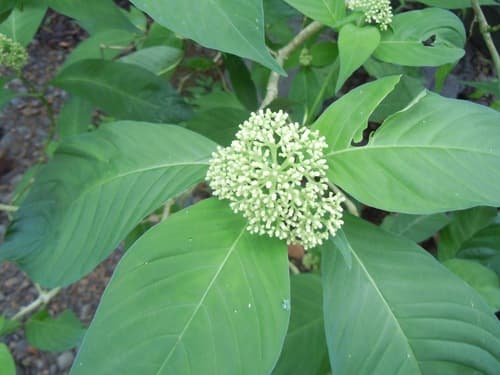
Image: Thilanka and Nimali (cc-by-nc)
NameSiam Weed
Scientific NameChromolaena odorata
Common NamesSiam Weed, Christmas Bush, Bitter Bush, Triffid Weed
Plant FamilyAsteraceae
Natural HabitatNative to Central and South America, but widely naturalized and invasive in tropical and subtropical regions worldwide. It thrives in disturbed areas, roadsides, agricultural lands, and forest edges.
Parts Usedleaf,whole_plant
Medicinal Actionsanti-inflammatory, antimicrobial, antioxidant, astringent
Traditional UsesTraditionally, the leaves of Siam Weed are widely used in folk medicine, particularly for their hemostatic and wound-healing properties. Crushed leaves are applied topically to stop bleeding from cuts and wounds, treat skin infections, burns, and rashes. Internally, infusions or decoctions have been used for fever, coughs, colds, malaria, and gastrointestinal issues, though internal use requires caution.
Active ConstituentsFlavonoids (e.g., eupatorin, odoratin), Alkaloids, Tannins, Essential oils (monoterpenes, sesquiterpenes)
Preparation Methodsinfusion, decoction, poultice, powder
Contraindications & WarningsMay cause allergic reactions in sensitive individuals. Internal use should be approached with caution due to potential toxicity, especially with prolonged or high doses. Not recommended for pregnant or breastfeeding women.
Cultivation NotesHighly adaptable and grows vigorously in a wide range of soils, preferring full sun to partial shade. It is often considered a noxious weed and can be difficult to eradicate due to its rapid growth and prolific seed production. Propagates readily by seed and vegetative means.
Raritycommon
Description
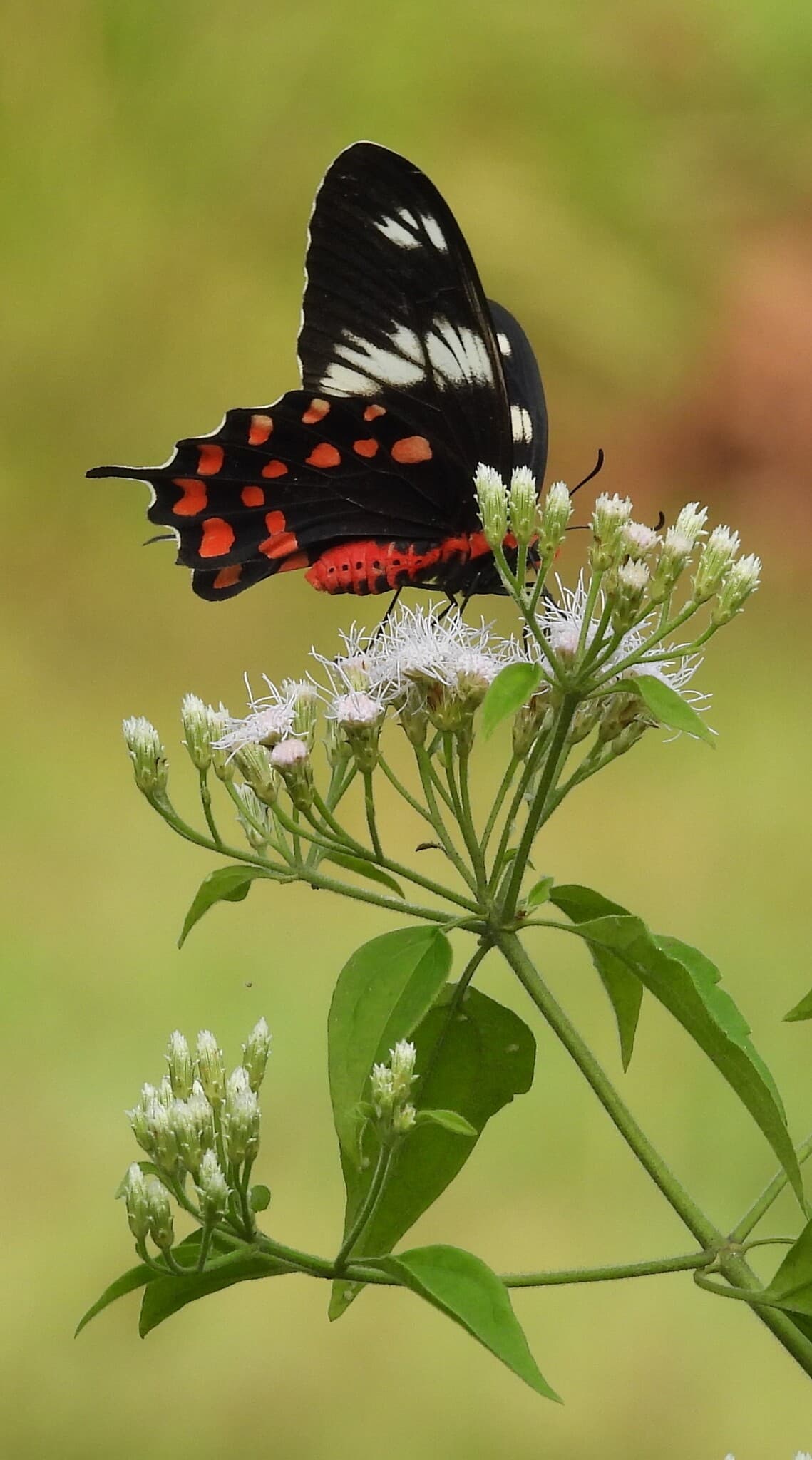
Chromolaena odorata is a rapidly growing, perennial herbaceous shrub, typically reaching 1-3 meters in height. It is characterized by its opposite, ovate to deltoid leaves with serrated margins, and dense clusters of small, white to pale lavender, brush-like flowers arranged in terminal corymbs.