Ground Ivy
Image: Julia (cc-by-nc)
NameGround Ivy
Scientific NameGlechoma hederacea
Common NamesGround Ivy, Creeping Charlie, Gill-over-the-ground, Alehoof, Run-away-robin, Cat's-foot
Plant FamilyLamiaceae
Natural HabitatNative to Europe and Asia, Ground Ivy thrives in moist, shaded environments such as woodlands, hedgerows, meadows, gardens, and disturbed ground. It is often found as a common weed in lawns and cultivated areas.
Parts Usedleaf,whole_plant
Medicinal Actionsanti-inflammatory, antimicrobial, astringent, diuretic, expectorant
Traditional UsesTraditionally, Ground Ivy has been used for respiratory ailments like coughs, bronchitis, and asthma due to its expectorant properties. It was also employed as a diuretic for kidney and bladder complaints, and externally as a poultice for wounds, bruises, and skin irritations. Historically, it was a popular ingredient in 'alehoof' for clarifying and flavoring beer.
Active ConstituentsVolatile oils (e.g., pulegone, menthone), Tannins, Bitter principles (glechomin), Flavonoids, Triterpenes
Preparation Methodsinfusion, decoction, tincture, poultice
Contraindications & WarningsGenerally considered safe in moderate doses, but excessive consumption may lead to gastrointestinal upset. It should be used with caution by pregnant or breastfeeding women due to potential, though unproven, uterine stimulant effects. Individuals with liver conditions should also exercise caution due to the presence of pulegone, although typically in low concentrations.
Cultivation NotesGround Ivy is a vigorous and often invasive plant that spreads readily by rooting stems. It prefers moist, shady to partially shady conditions and well-drained soil. It can be easily propagated by stem cuttings or division.
Raritycommon
Description
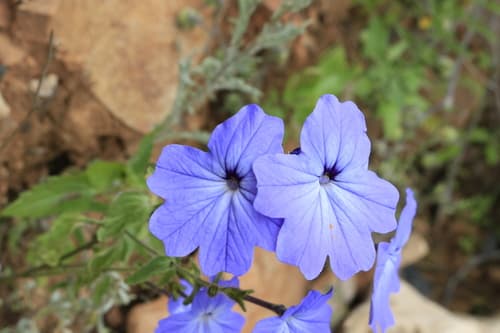
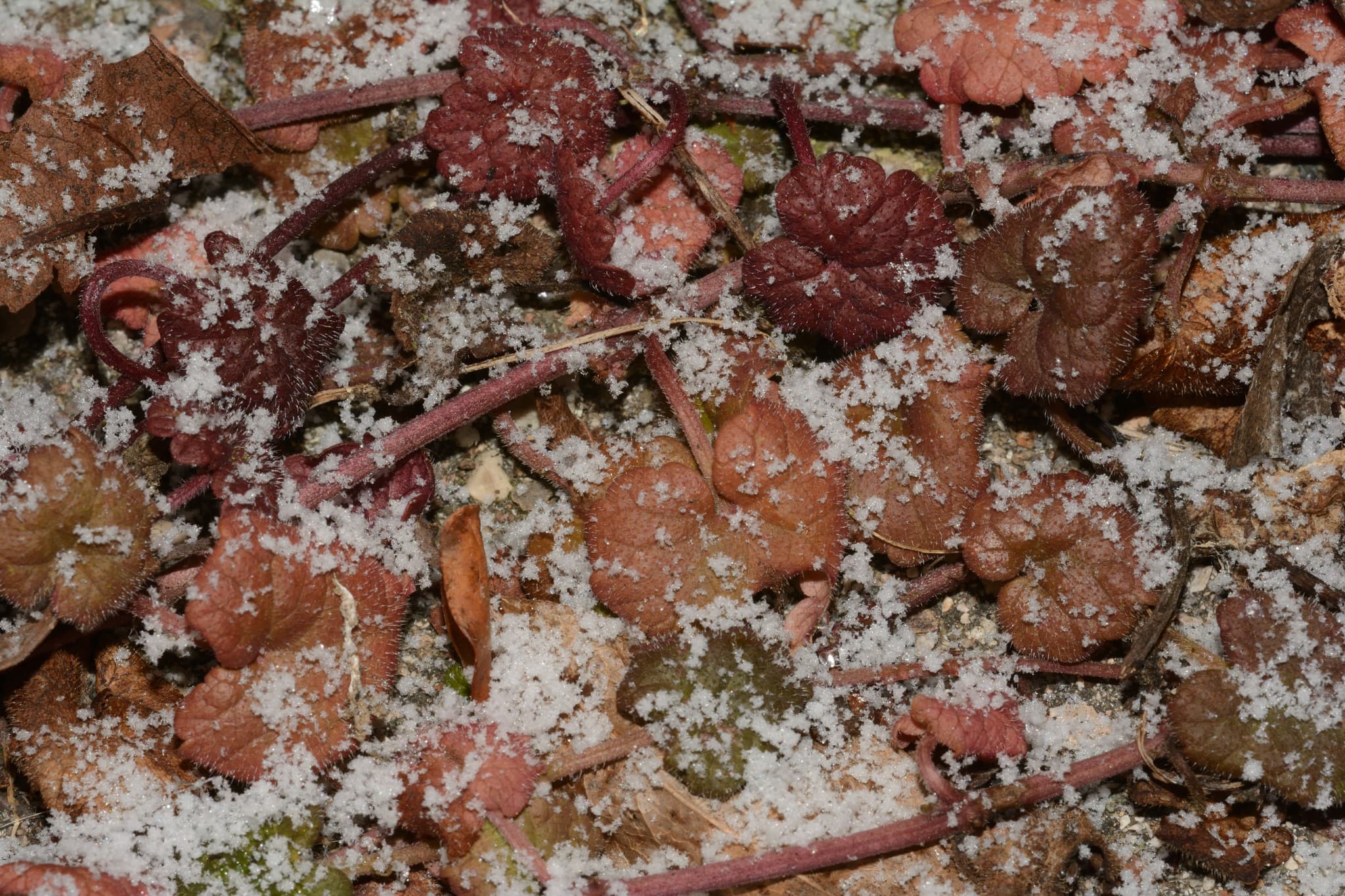
Ground Ivy is a low-growing, perennial herbaceous plant characterized by its creeping square stems that root at the nodes. It features kidney-shaped to cordate leaves with scalloped margins, which are often hairy and can develop a purplish hue in colder conditions. Small, two-lipped, purplish-blue flowers emerge from the leaf axils.