Solanum fragile
NameSolanum fragile
Scientific NameSolanum fragile
Common NamesFragile Nightshade
Plant FamilySolanaceae
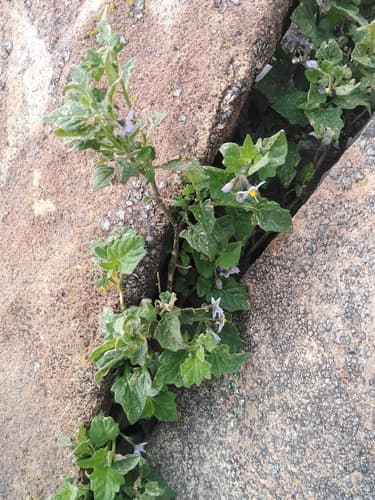
Natural HabitatNative to New Zealand, this plant thrives in diverse environments including forest margins, coastal areas, scrubland, and disturbed sites, often scrambling over other vegetation or rocks. Its adaptability allows it to colonize urban cracks and crevices.
Parts Used
Traditional UsesSolanum fragile, like many species in the Solanum genus, is generally considered toxic due to the presence of steroidal glycoalkaloids. There are no widely documented safe traditional medicinal uses for this specific species, and ingestion of any part is strongly discouraged.
Active ConstituentsSteroidal glycoalkaloids
Contraindications & WarningsAll parts of Solanum fragile are considered toxic, especially the unripe berries. Ingestion can cause severe gastrointestinal upset, neurological symptoms, and in severe cases, can be fatal. It should be strictly avoided by pregnant and breastfeeding women, children, and individuals with liver or kidney conditions.
Cultivation NotesThis is a hardy plant, often considered a weed in its native range. It prefers well-drained soil and can tolerate a range of light conditions from full sun to partial shade. It can be propagated by seed or cuttings.
Raritycommon
Description
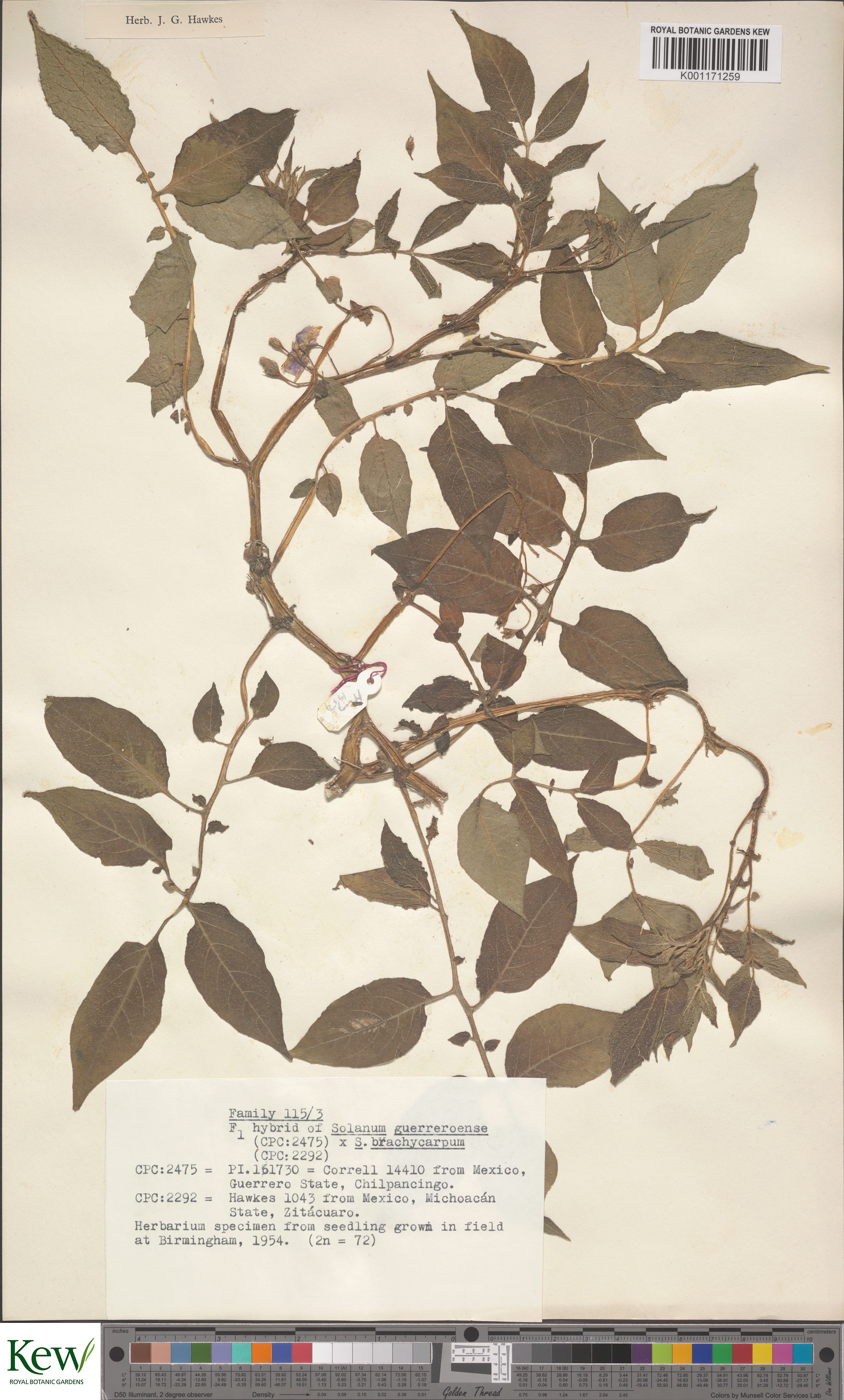
Solanum fragile is a scrambling or climbing perennial herb characterized by its slender stems and ovate to triangular, often lobed or toothed leaves. It produces small, star-shaped flowers, typically pale purple with prominent yellow anthers, followed by small berries that ripen from green to red or black. The plant often appears somewhat hairy.