Solanum diploconos
NameSolanum diploconos
Scientific NameSolanum diploconos
Plant FamilySolanaceae
Natural HabitatNative to tropical and subtropical regions of South America, particularly Brazil, often found in disturbed areas, forest edges, or secondary growth.
Parts Usedfruit
Traditional UsesSpecific traditional medicinal uses for Solanum diploconos are not widely documented in mainstream ethnobotanical literature. Many species within the Solanum genus are known for containing steroidal glycoalkaloids, some of which have been explored for anti-inflammatory or antimicrobial properties, but often with significant toxicity concerns. Due to the potential toxicity common in the Solanum genus, internal use of this specific species is generally not recommended without expert guidance.
Active Constituentssteroidal glycoalkaloids
Contraindications & WarningsThe fruits of many Solanum species, including Solanum diploconos, are considered toxic due to the presence of steroidal glycoalkaloids. Ingestion can cause gastrointestinal upset, neurological symptoms, and other adverse effects. It should not be consumed internally. Handling should be done with care, and contact with skin or eyes should be avoided.
Cultivation NotesThis species prefers warm, humid climates and well-drained soil. It can be propagated from seed. Due to its potential toxicity, it is not commonly cultivated for ornamental or food purposes.
Rarityuncommon
Description
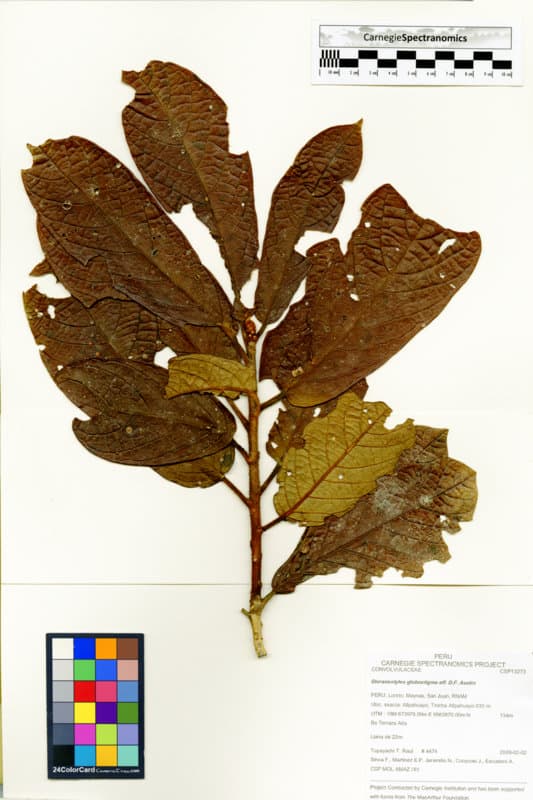
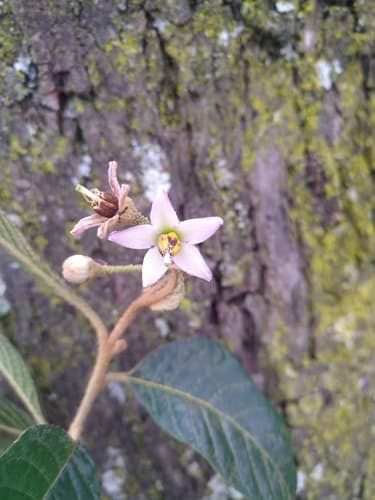
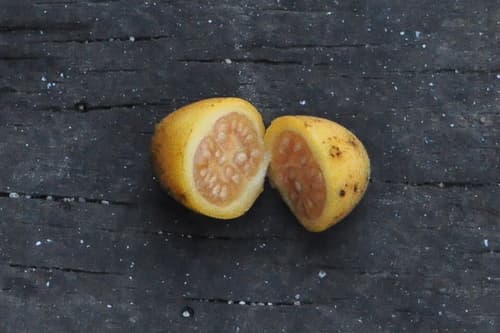
Solanum diploconos is a shrub or small tree producing small, round to ovoid berries that ripen from green to yellow or orange. The fruit, as seen in the image, contains numerous small seeds embedded in a pulpy interior.