Solanum nutans
NameSolanum nutans
Scientific NameSolanum nutans
Common NamesJurubeba-branca, Jurubeba-do-cerrado
Plant FamilySolanaceae
Natural HabitatNative to South America, particularly Brazil, Solanum nutans thrives in tropical and subtropical regions. It is commonly found in forests, forest edges, and disturbed areas, adapting to various soil types.
Parts Usedleaf,root,fruit
Medicinal Actionsanti-inflammatory, antimicrobial, antioxidant, diuretic, carminative
Traditional UsesTraditionally, Solanum nutans, often referred to as 'Jurubeba' in Brazil, has been used in folk medicine for its bitter properties. It is commonly employed to support liver function, aid digestion, treat fevers, and address various gastrointestinal complaints. Preparations are also used for their anti-inflammatory and antimicrobial effects.
Active Constituentssteroidal glycoalkaloids, flavonoids, saponins
Preparation Methodsinfusion, decoction, tincture, powder
Contraindications & WarningsDue to the presence of steroidal glycoalkaloids, Solanum nutans can be toxic if misused or taken in excessive doses. It is contraindicated for pregnant and lactating women, young children, and individuals with severe liver disease or gastrointestinal inflammation. Potential side effects include nausea, vomiting, and diarrhea.
Cultivation NotesThis plant prefers warm, tropical to subtropical climates with well-drained soil and can tolerate both full sun and partial shade. It is relatively hardy in its native range and can be propagated by seed or cuttings. Regular watering is beneficial, especially during dry periods.
Rarityuncommon
Description
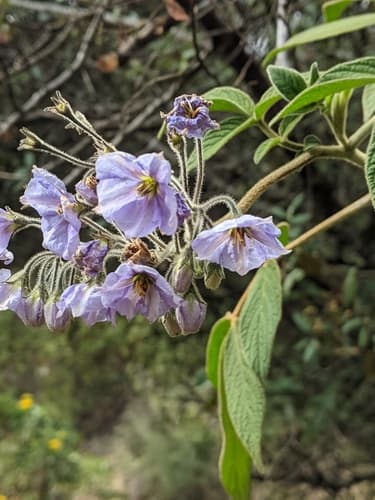
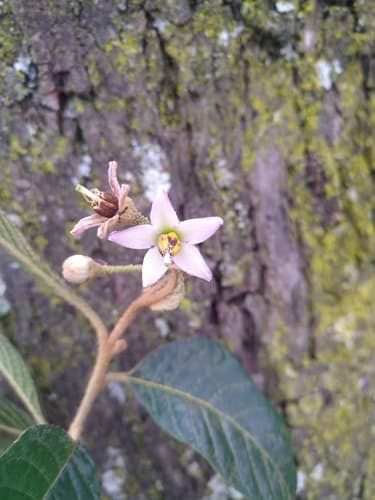
Solanum nutans is a shrub or small tree characterized by its light pink to lilac, star-shaped flowers with prominent yellow anthers, often appearing in nodding clusters. Its leaves are typically ovate, dark green, and can be somewhat hairy, while the stems are often pubescent. The plant produces small, spherical fruits that ripen from green to yellow or orange.