Convolvulus pitardii
NameConvolvulus pitardii
Scientific NameConvolvulus pitardii
Plant FamilyConvolvulaceae
Natural HabitatNative to arid and semi-arid regions of North Africa, including the Canary Islands, Morocco, and Western Sahara. It typically grows on rocky slopes, sandy soils, and disturbed ground.
Parts Usedwhole_plant,leaf,root
Medicinal Actionsdiuretic, astringent
Traditional UsesWhile specific traditional medicinal uses for Convolvulus pitardii are not well-documented, other species within the Convolvulus genus have historically been used as purgatives, diuretics, and for treating various skin conditions.
Active Constituentsresin_glycosides, flavonoids
Preparation Methodsinfusion, decoction, powder
Contraindications & WarningsDue to the presence of resin glycosides in the Convolvulus genus, caution is advised. Potential contraindications include pregnancy, breastfeeding, and gastrointestinal issues, especially if used internally.
Cultivation NotesThrives in full sun and well-drained, often sandy or rocky soils. It is drought-tolerant and can spread readily, making it suitable for xeriscaping in appropriate climates. Propagated by seed or cuttings.
Rarityuncommon
Description
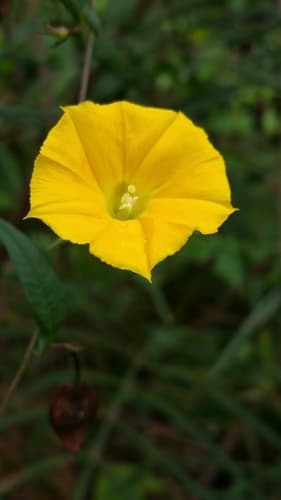
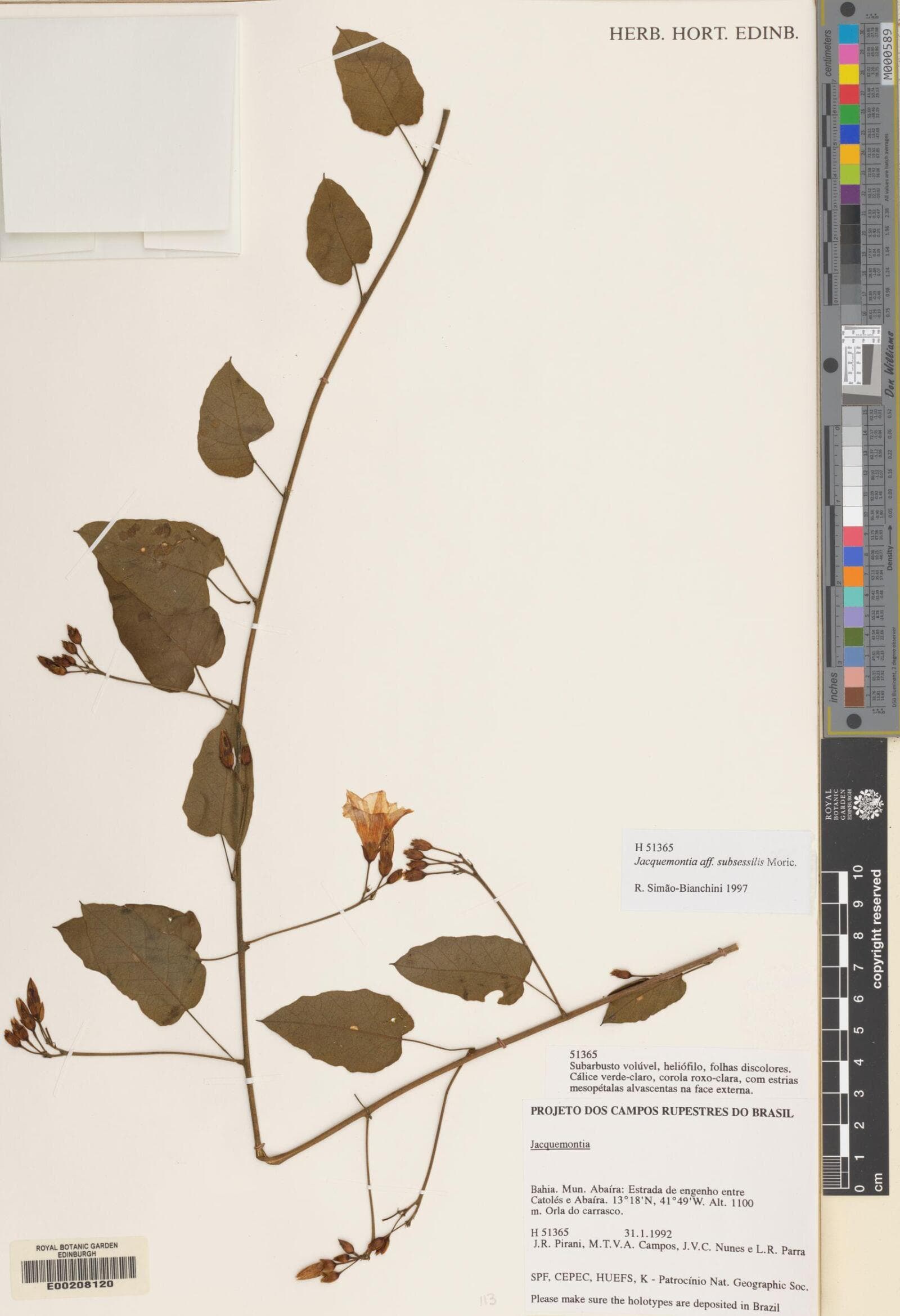
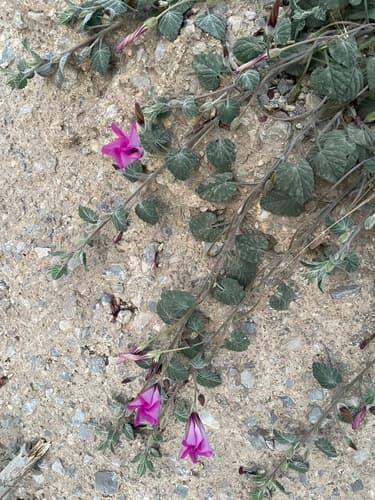
A perennial herbaceous plant forming prostrate or scrambling stems, often covered in fine hairs. It features small, ovate to cordate leaves and produces distinctive funnel-shaped flowers, typically bright pink to purplish, often solitary in leaf axils.