Cassia Cinnamon
Image: Ronith Urs (cc-by)
NameCassia Cinnamon
Scientific NameCinnamomum cassia
Common NamesCassia, Chinese Cinnamon, Bastard Cinnamon
Plant FamilyLauraceae
Natural HabitatNative to tropical and subtropical regions of Southeast Asia, particularly southern China, where it grows in forests and cultivated areas. It thrives in warm, humid climates with well-drained soil.
Parts Usedbark,leaf,flower
Medicinal Actionsanalgesic, anti-inflammatory, antimicrobial, antioxidant, carminative
Traditional UsesTraditionally used in Chinese medicine to warm the body, improve circulation, and alleviate cold symptoms, digestive issues, and pain. It is also employed as a carminative to relieve flatulence and as an astringent.
Active ConstituentsCinnamaldehyde, Coumarin, Eugenol, Cinnamic acid
Preparation Methodsinfusion, decoction, tincture, powder, essential oil
Contraindications & WarningsHigh doses of Cassia cinnamon, due to its coumarin content, can be hepatotoxic and should be avoided by individuals with liver disease. It may interact with blood-thinning medications and is generally not recommended in large amounts during pregnancy.
Cultivation NotesPrefers full sun to partial shade and rich, well-drained soil. It is a tropical to subtropical plant, sensitive to frost. Propagation is typically by seed or cuttings, requiring consistent moisture and warmth for establishment.
Raritycommon
Description
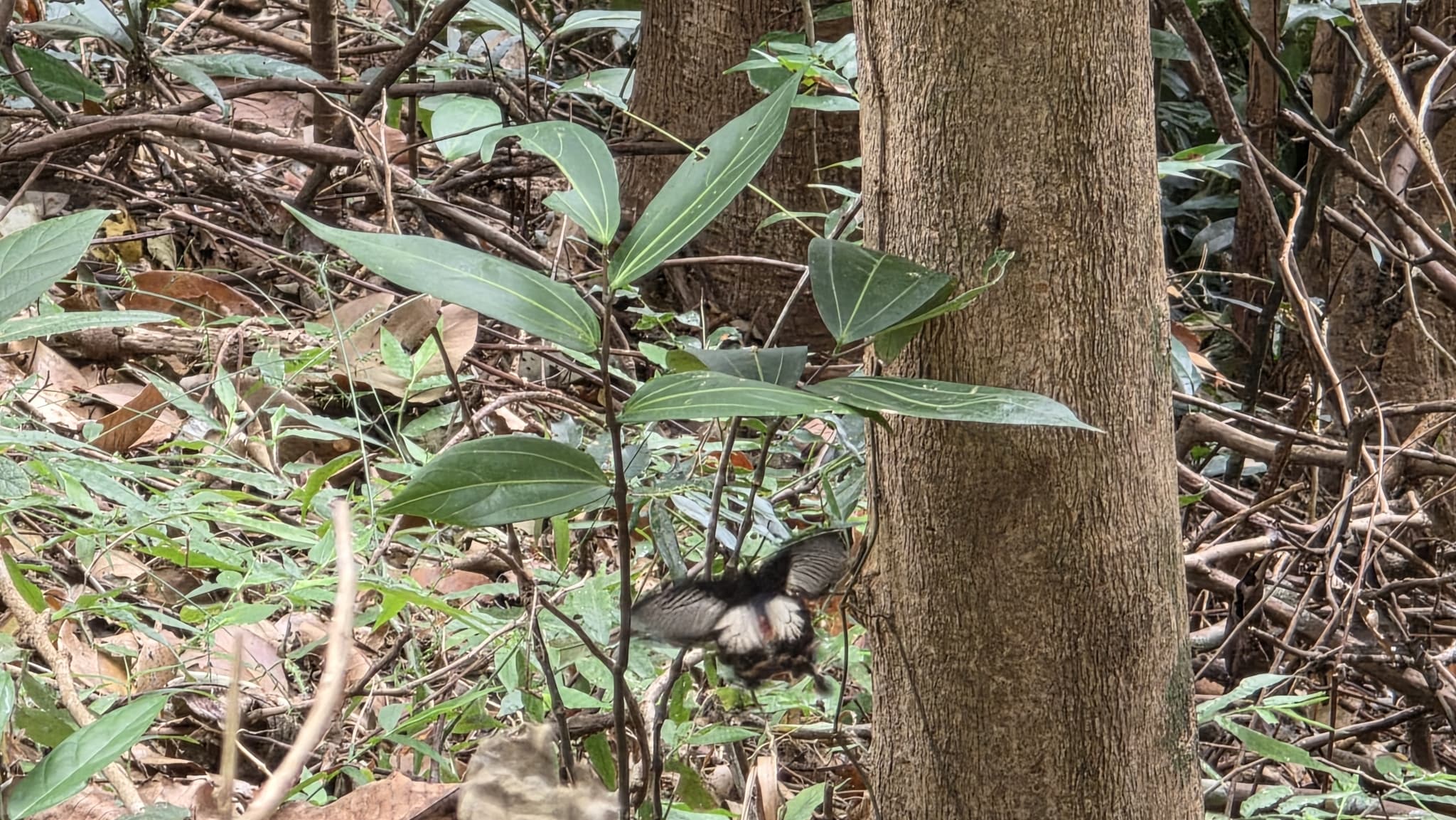
Cinnamomum cassia is an evergreen tree native to southern China and Indochina, growing up to 10-15 meters tall. Its distinctive leaves are ovate-lanceolate, glossy green, and feature three prominent veins originating from the base, running parallel towards the apex.