Solanum anamatophilum
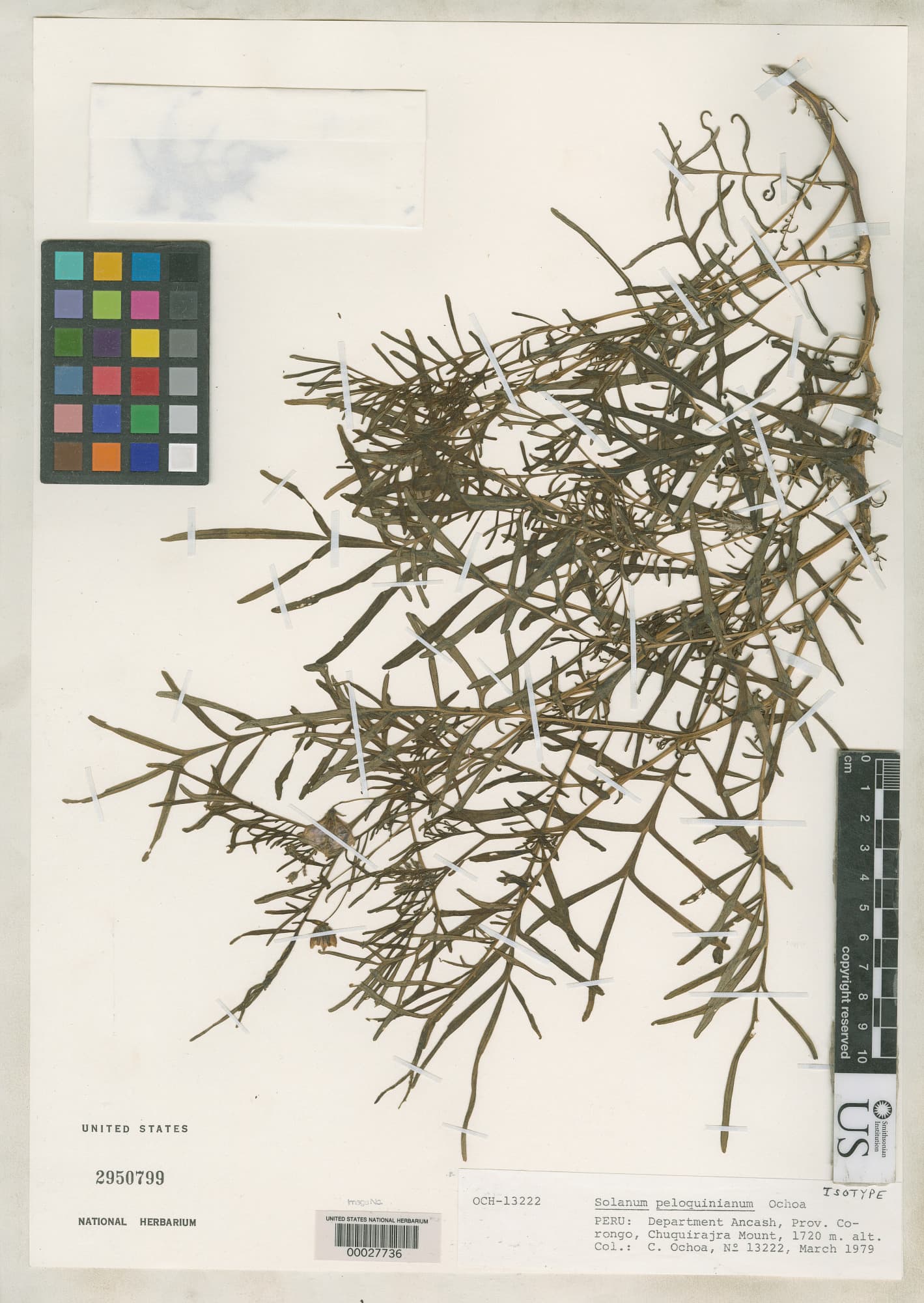
Image: Ingrid P. Lin (cc0)
NameSolanum anamatophilum
Scientific NameSolanum anamatophilum
Common NamesWild Potato, Anamatophilum Nightshade
Plant FamilySolanaceae
Natural HabitatNative to the Andean regions of South America, particularly Peru, thriving in high-altitude, rocky, and disturbed areas.
Parts Usedroot,leaf
Medicinal Actionsanti-inflammatory, analgesic
Traditional UsesTraditionally, some Solanum species have been used in folk medicine for their anti-inflammatory and pain-relieving properties, often applied externally or with careful preparation to mitigate toxicity. Specific medicinal uses for Solanum anamatophilum are not widely documented.
Active Constituentssteroidal glycoalkaloids, solanine, chaconine
Preparation Methodsdecoction, poultice, powder
Contraindications & WarningsAll parts of Solanum species, including S. anamatophilum, may contain toxic glycoalkaloids. Consumption can lead to gastrointestinal upset, neurological symptoms, and severe poisoning. Contraindicated in pregnancy, lactation, and for individuals with liver or kidney conditions.
Cultivation NotesPrefers well-drained, sandy or loamy soils and full sun exposure. Requires cool to temperate climates, typical of its high-altitude Andean origin.
Rarityuncommon
Description
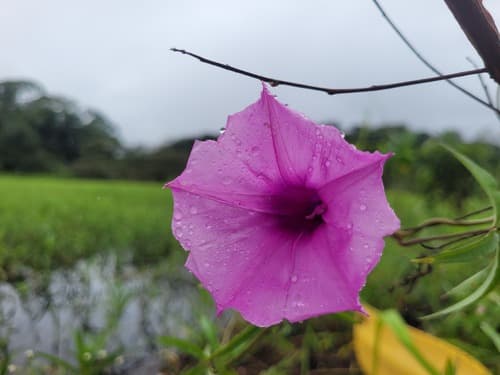
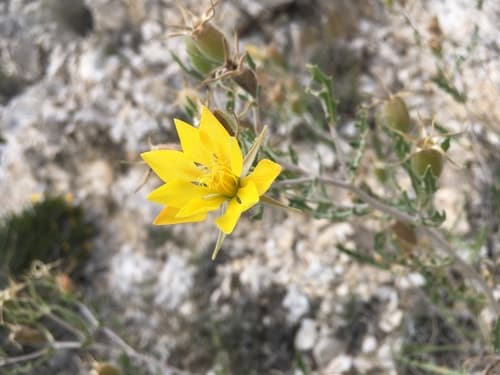
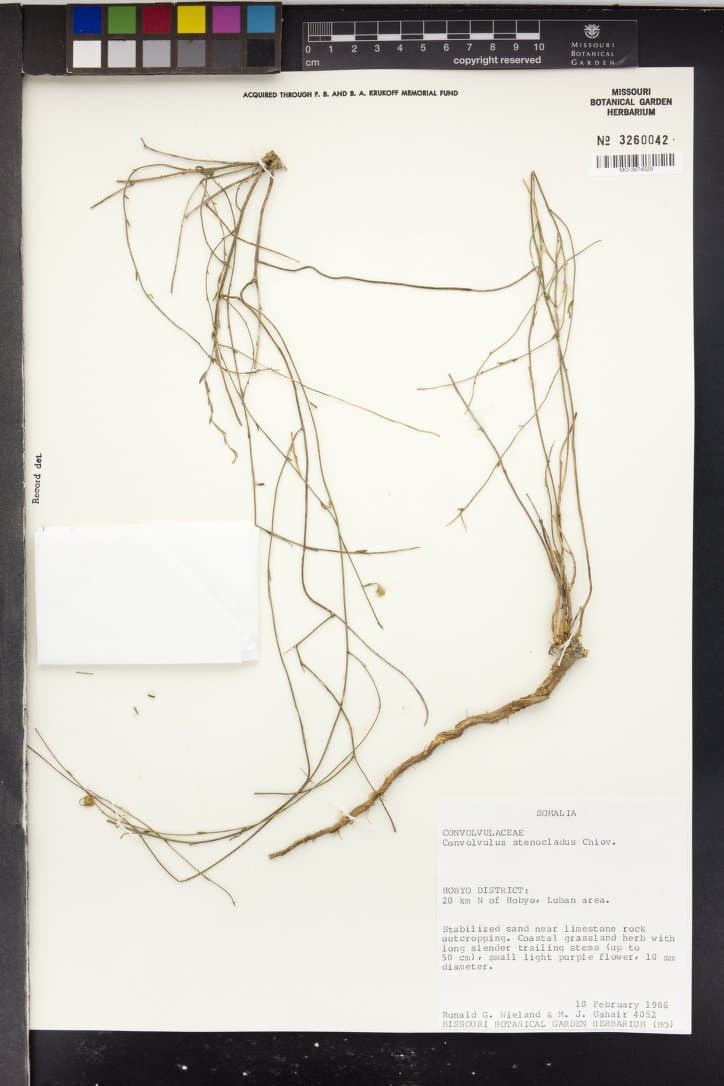
A herbaceous plant characterized by slender, branching stems and narrow, elongated leaves. It typically grows as a sprawling or erect herb, often found in high-altitude environments.