Rope Dodder
NameRope Dodder
Scientific NameCuscuta spp.
Common NamesRope Dodder, Dodder, Love Vine, Strangleweed
Plant FamilyConvolvulaceae
Natural HabitatFound globally in temperate and tropical regions, dodder typically grows in fields, meadows, disturbed areas, and along roadsides, where it parasitizes a wide range of herbaceous and woody plants.
Parts Usedwhole_plant,seed
Medicinal Actionsadaptogen, anti-inflammatory, antioxidant, diuretic
Traditional UsesIn Traditional Chinese Medicine (TCM), dodder seeds (Tu Si Zi) are highly valued as a kidney and liver tonic. They are traditionally used to strengthen yang, nourish yin, improve vision, and treat conditions such as impotence, premature ejaculation, frequent urination, lower back pain, and blurred vision. It is also employed for diarrhea and to help prevent miscarriage.
Active ConstituentsFlavonoids, Lignans, Polysaccharides, Saponins, Alkaloids
Preparation Methodsinfusion, decoction, tincture, powder
Contraindications & WarningsDodder is generally contraindicated during pregnancy (especially early stages) and lactation due to insufficient safety data. It should be used with caution in individuals with yin deficiency with heat signs or severe constipation. Potential interactions with blood thinners or hormone therapies should be considered.
Cultivation NotesDodder is a parasitic plant and cannot be cultivated independently; it requires a suitable host plant to germinate and survive. It is often considered an agricultural weed and spreads primarily by seeds.
Raritycommon
Description
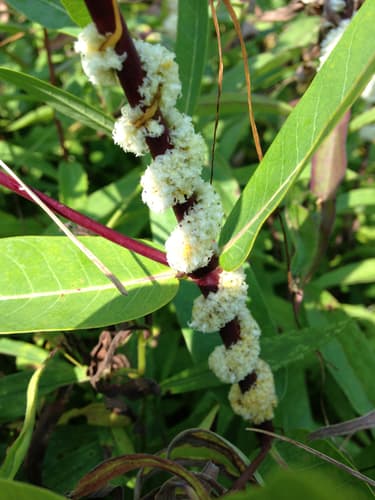
Dodder is a parasitic annual plant characterized by its leafless, yellowish, thread-like stems that twine tightly around host plants. It lacks chlorophyll and obtains all nutrients by penetrating the host's vascular system with haustoria, producing small, white to yellowish flowers in dense clusters along its stems.