Celery
NameCelery
Scientific NameApium graveolens
Common NamesCelery, Wild Celery, Smallage
Plant FamilyApiaceae
Natural HabitatNative to marshy and saline areas in the Mediterranean basin and parts of Asia, it thrives in moist, fertile soil.
Parts Usedleaf,seed,whole_plant
Medicinal Actionsdiuretic, anti-inflammatory, antioxidant, carminative
Traditional UsesTraditionally, celery has been used as a diuretic to help with fluid retention and urinary tract issues. Its seeds were historically employed to alleviate symptoms of gout, rheumatism, and arthritis due to their anti-inflammatory properties, and also as a carminative to aid digestion.
Active ConstituentsPhthalides, Coumarins, Flavonoids (e.g., apigenin, luteolin), Volatile oils (e.g., limonene, selinene)
Preparation Methodsinfusion, decoction, powder, essential oil
Contraindications & WarningsMay cause allergic reactions in sensitive individuals, especially those with birch pollen or mugwort allergies. High doses of celery seed oil should be avoided during pregnancy due to potential abortifacient effects. May interact with diuretic medications and blood thinners, and can increase photosensitivity.
Cultivation NotesCelery prefers cool weather, consistent moisture, and rich, well-drained soil. It requires a long growing season and is often started indoors before transplanting.
Raritycommon
Description
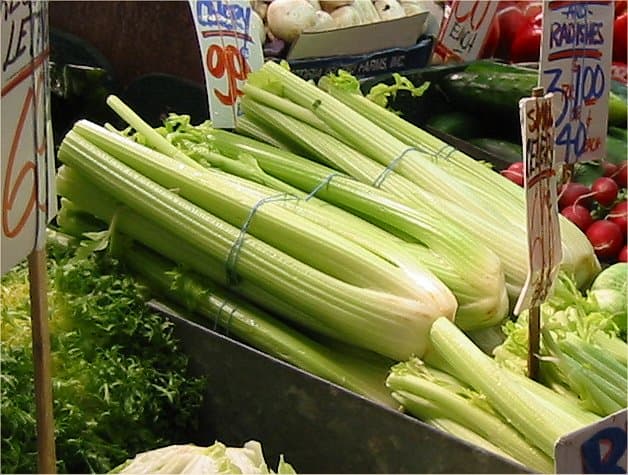
Celery is a biennial plant cultivated as a vegetable, known for its long, fibrous stalks, which are typically eaten raw or cooked. It produces small white flowers in compound umbels and small, ribbed seeds.