Cestrum viminale
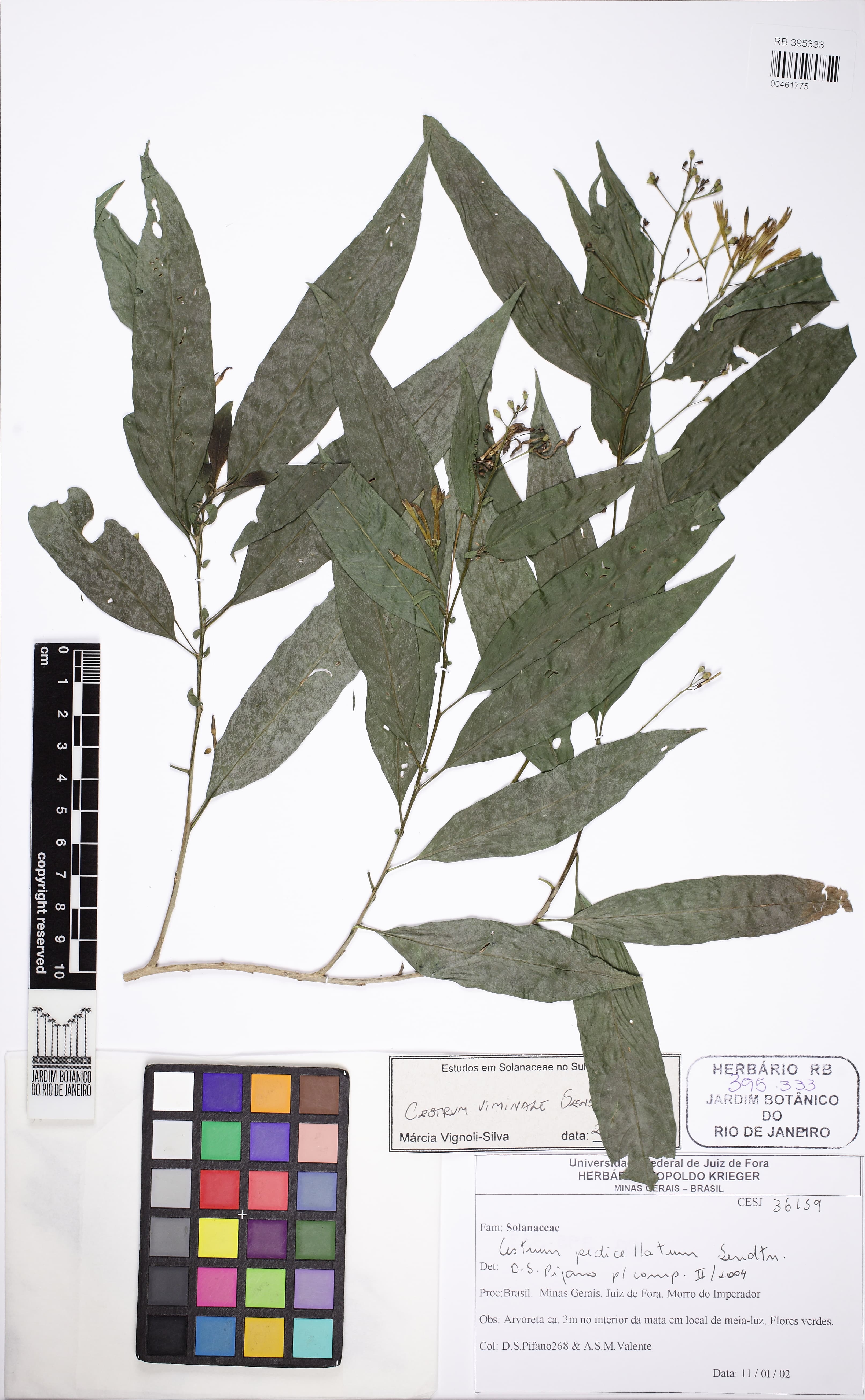
Image: D.S. Pifano; A.S.M. Valente (cc-by)
NameCestrum viminale
Scientific NameCestrum viminale Sendtn.
Plant FamilySolanaceae
Natural HabitatNative to South America, particularly Brazil, where it is found in forest interiors, preferring semi-shade conditions. The specimen was collected in Minas Gerais, Brazil.
Parts Usedleaf,bark,flower
Medicinal Actionsanalgesic, anti-inflammatory, antimicrobial
Traditional UsesWhile specific traditional uses for Cestrum viminale are not widely documented, other species within the Cestrum genus are traditionally employed in folk medicine for their analgesic, anti-inflammatory, and febrifuge properties. They have been used externally for skin conditions and pain, and internally (with extreme caution due to toxicity) for various ailments.
Active Constituentssteroidal glycoalkaloids, saponins, flavonoids
Preparation Methodsinfusion, decoction, tincture, poultice
Contraindications & WarningsAll Cestrum species are generally considered toxic, especially the fruits, due to the presence of steroidal glycoalkaloids. Ingestion can cause severe gastrointestinal upset, neurological symptoms, and can be fatal, particularly in livestock and children. Pregnant and breastfeeding women should strictly avoid use. Potential interactions with other medications are possible.
Cultivation NotesThis tropical to subtropical shrub prefers well-drained soil, moderate to high humidity, and can tolerate conditions from full sun to partial shade. It is often cultivated as an ornamental plant in suitable climates.
Rarityuncommon
Description
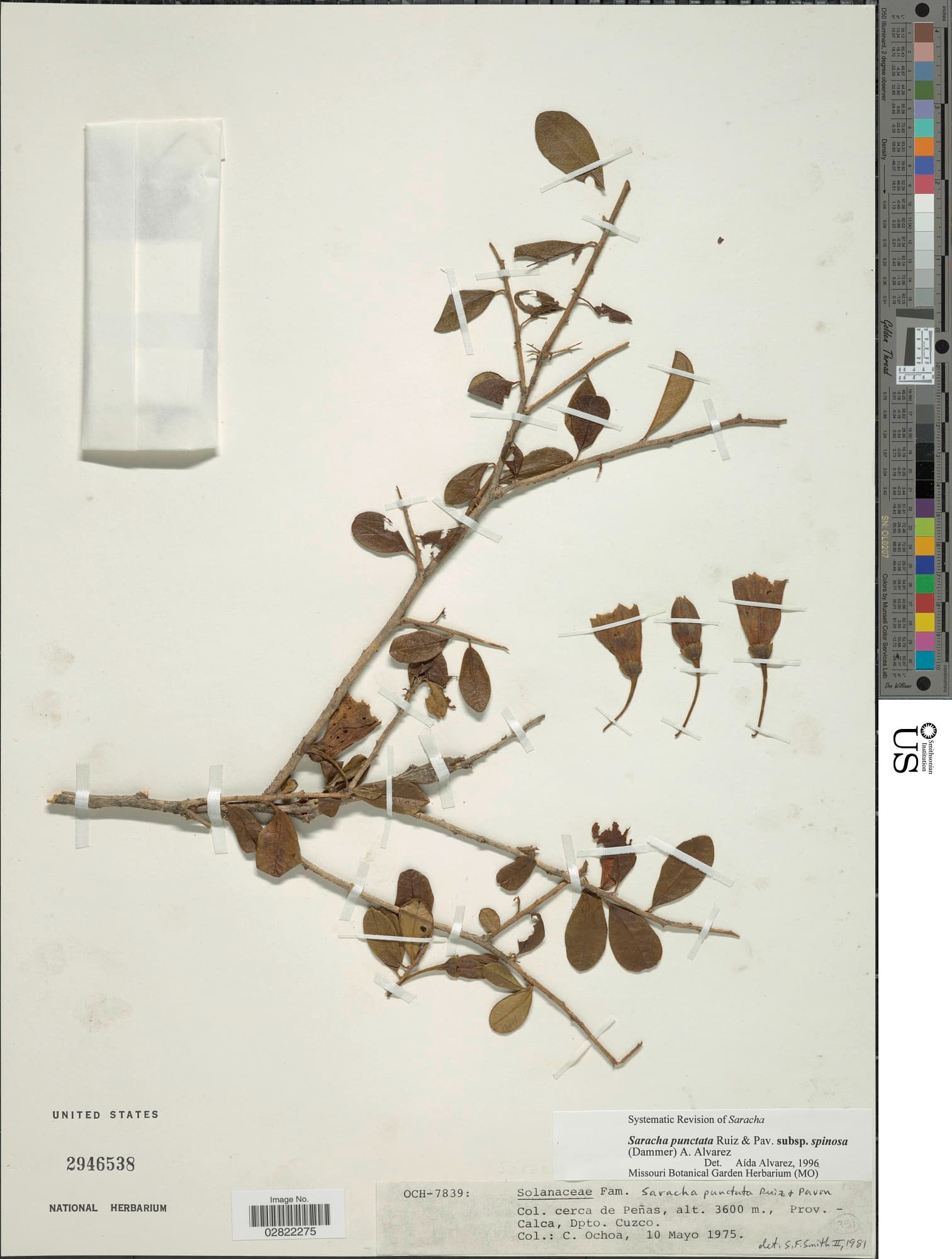
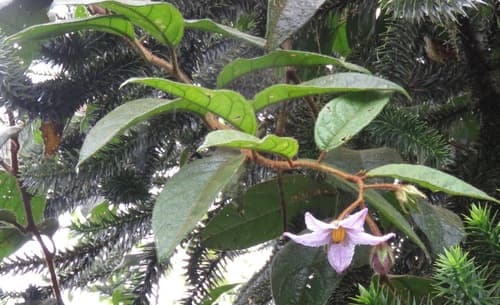
Cestrum viminale is a woody shrub or small tree, typically growing up to 3 meters tall. It features simple, alternate, lanceolate to elliptic leaves and bears terminal or axillary inflorescences with small, tubular, greenish flowers.