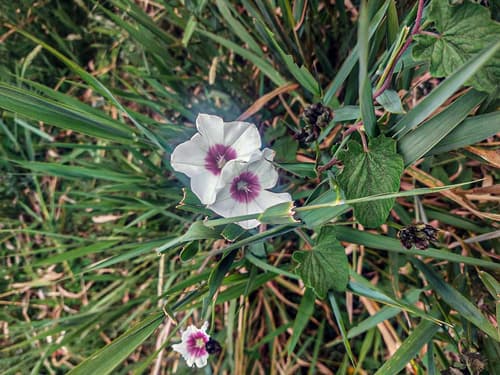
Schimper's Bindweed
NameSchimper's Bindweed
Scientific NameConvolvulus schimperi
Common NamesSchimper's Bindweed, African Bindweed
Plant FamilyConvolvulaceae
Natural HabitatNative to various parts of tropical and southern Africa, it thrives in grasslands, open woodlands, disturbed areas, and cultivated fields, adapting to a range of altitudes.
Parts Usedwhole_plant,root,leaf
Medicinal Actionsanti-inflammatory, antimicrobial
Traditional UsesTraditionally, Convolvulus schimperi has been used in African folk medicine for various ailments, including stomachaches. Other species within the Convolvulus genus are known for their strong purgative effects and have been applied topically for wounds or skin conditions.
Active ConstituentsResin glycosides
Preparation Methodsinfusion, decoction, powder
Contraindications & WarningsDue to potential strong purgative effects common in the genus, it should be used with caution. It is generally contraindicated in pregnancy, lactation, young children, and individuals with severe gastrointestinal disorders or obstructions.
Cultivation NotesThis hardy plant is often considered a weed, thriving in full sun to partial shade and well-drained soils. It can be vigorous and may become invasive if not managed, spreading readily by seed and rhizomes.
Raritycommon
Description
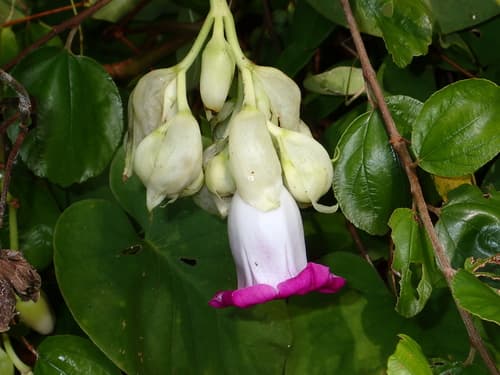
Convolvulus schimperi is a perennial herbaceous vine or trailing plant characterized by its funnel-shaped white flowers with a distinctive purple or pink throat. Its leaves are typically heart-shaped or sagittate, and it often scrambles or climbs through other vegetation.