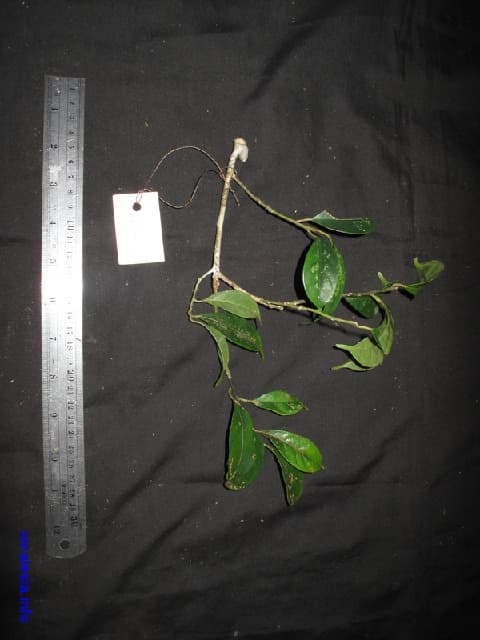
Mastixia rostrata
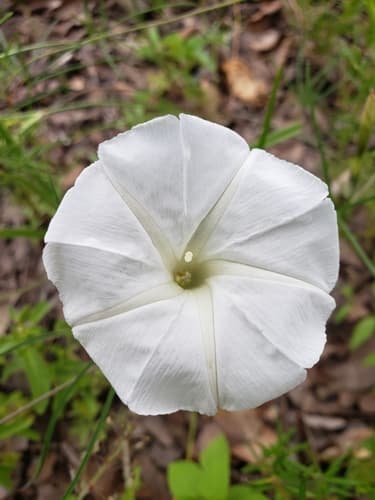
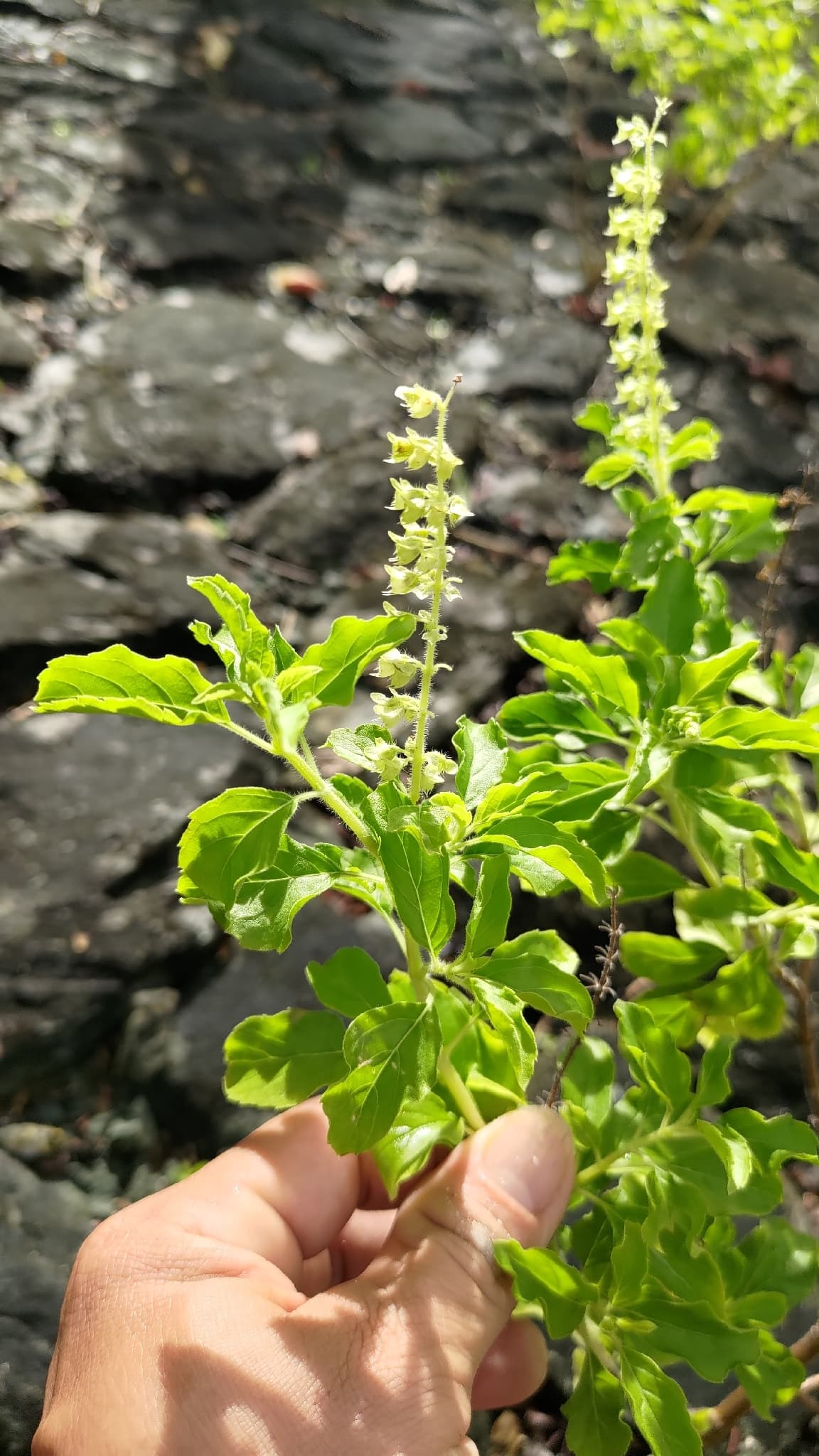
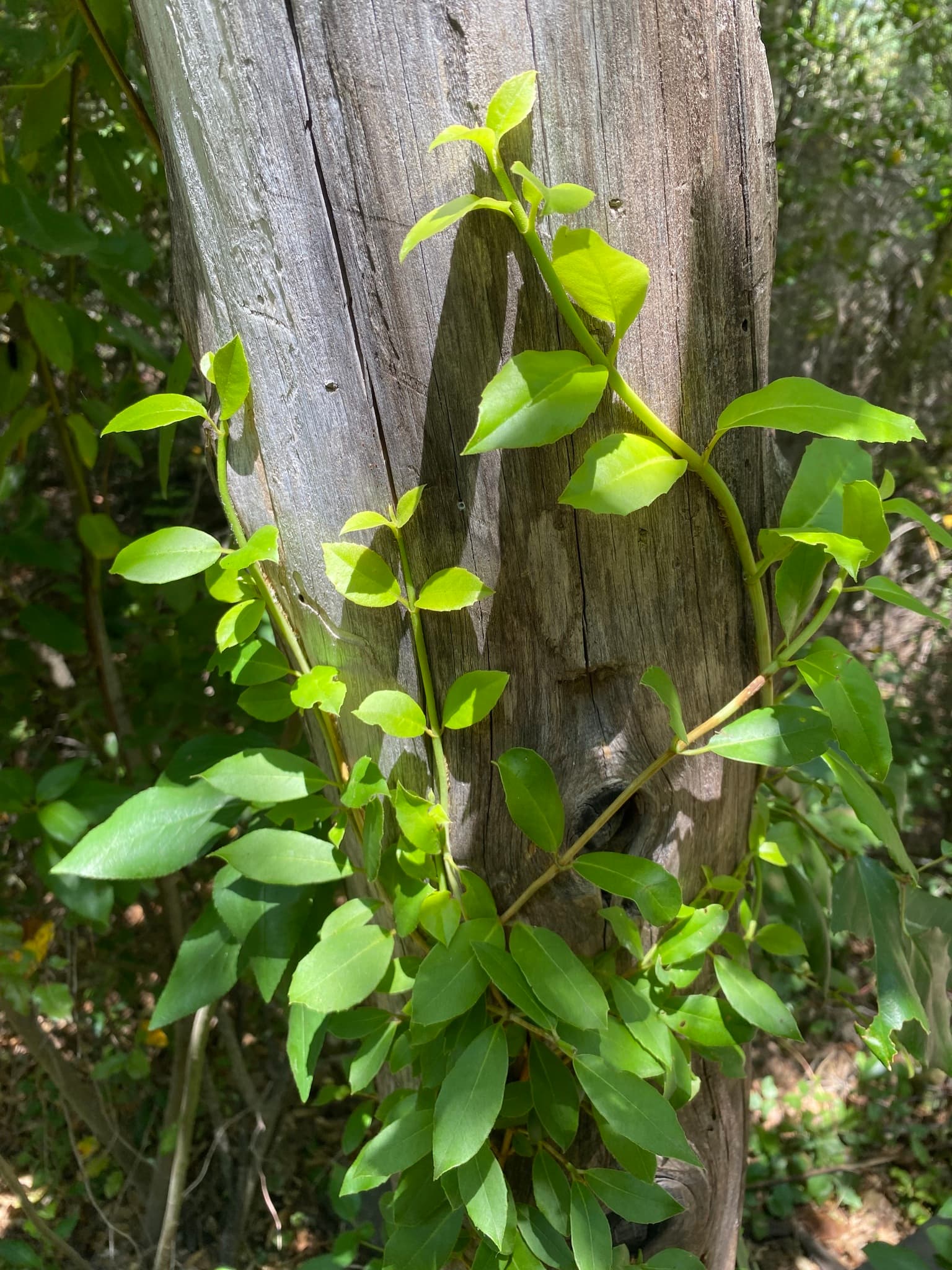
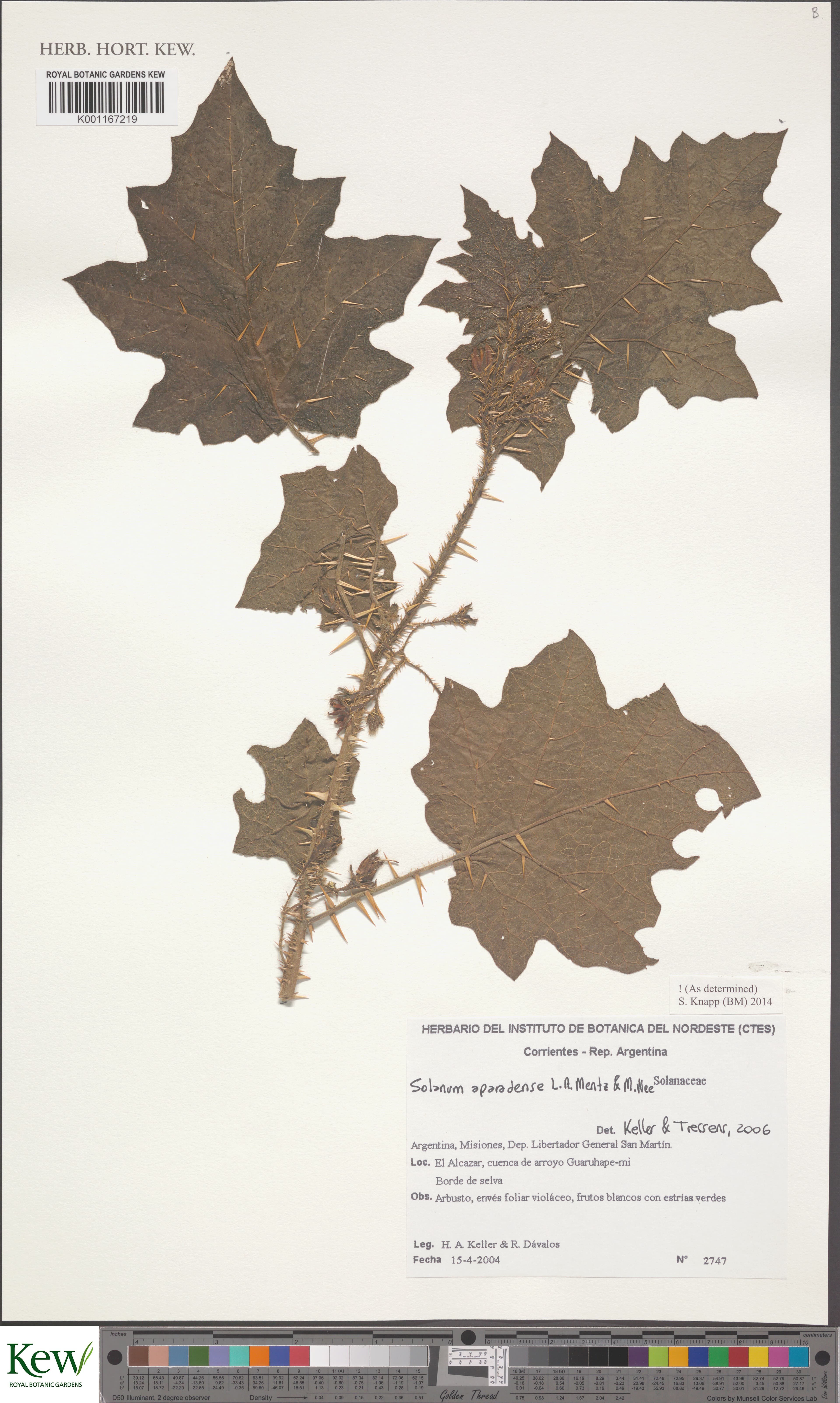
Image: Campbell Webb, Endro Setiawan, Hery Yanto, Edy, WX, Hermanto, Kasah (cc-by-nc)
NameMastixia rostrata
Scientific NameMastixia rostrata Blume
Plant FamilyCornaceae
Natural HabitatNative to tropical and subtropical rainforests of Southeast Asia, including regions of Malaysia, Indonesia, and Thailand. It is found in both lowland and montane primary and secondary forests.
Parts Usedbark,leaf
Medicinal Actionsanti-inflammatory, antimicrobial
Traditional UsesSpecific traditional medicinal uses for Mastixia rostrata are not widely documented in mainstream ethnobotanical literature. Some related Mastixia species have been used locally for conditions like fever, suggesting potential general anti-inflammatory or antimicrobial properties, but this is not confirmed for M. rostrata.
Active ConstituentsTriterpenoids, Flavonoids, Phenolic compounds
Preparation Methodsinfusion, decoction
Contraindications & WarningsContraindications for Mastixia rostrata are not widely documented due to the lack of established medicinal uses and clinical research. Caution is advised as with any unresearched plant.
Cultivation NotesThis tropical tree thrives in warm, humid climates with well-drained soil. It typically prefers partial shade when young, maturing to full sun. Propagation is usually by seed.
Raritycommon
Description
Mastixia rostrata is a medium-sized tree characterized by its simple, alternate, elliptic-oblong to obovate-oblong leaves, which are typically glabrous and possess a distinct drip tip. It produces small flowers and drupaceous fruits.