Caiophora hibiscifolia
NameCaiophora hibiscifolia
Scientific NameCaiophora hibiscifolia
Common NamesOrtiga brava
Plant FamilyLoasaceae
Natural HabitatNative to the Andean regions of South America, it thrives in montane forests, scrublands, and disturbed areas at moderate to high altitudes.
Parts Usedleaf
Medicinal Actionsanalgesic, anti-inflammatory
Traditional UsesTraditionally, the stinging leaves are applied externally as a poultice to treat rheumatic pain, arthritis, and muscle aches. The stinging sensation acts as a counter-irritant, believed to alleviate deeper pain and inflammation.
Active Constituentscompounds in stinging trichomes, flavonoids
Preparation Methodspoultice
Contraindications & WarningsDirect skin contact can cause severe irritation and blistering due to stinging hairs. Avoid contact with eyes and mucous membranes; individuals with sensitive skin or allergies should exercise extreme caution.
Cultivation NotesThis vine prefers well-drained soil and a position in full sun to partial shade. It requires a support structure for climbing and thrives in cooler, montane climates, often found in its native Andean habitat.
Raritycommon
Description
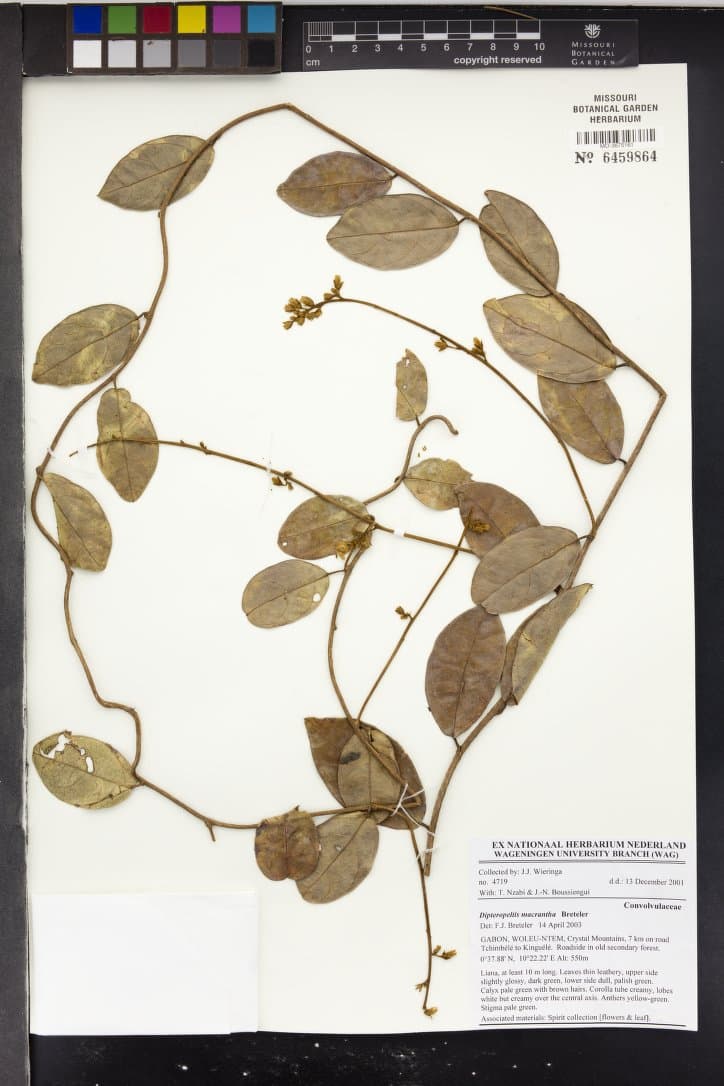
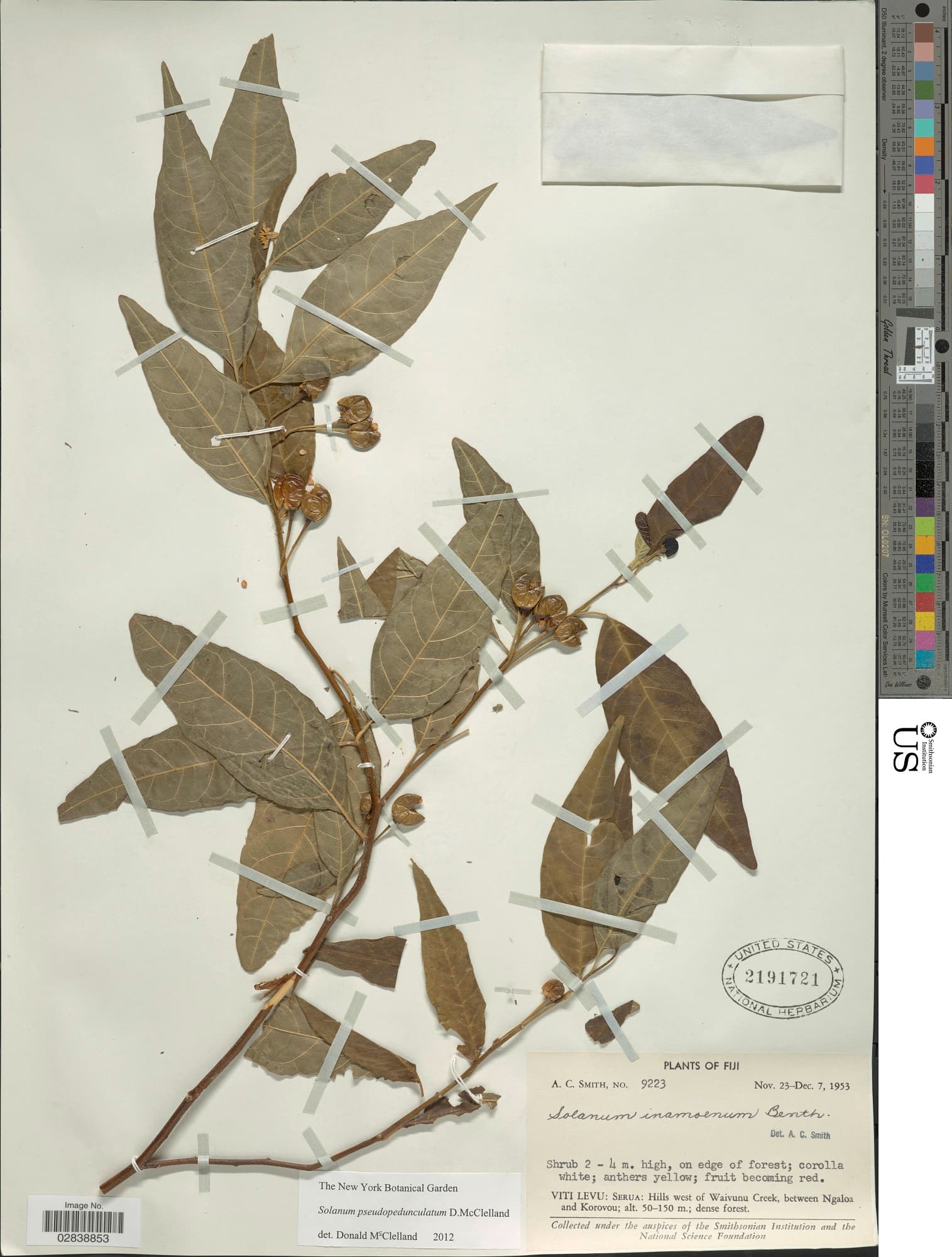
Caiophora hibiscifolia is a climbing or sprawling herbaceous vine, notable for its vibrant red to orange-red, pendulous, bell-shaped flowers with prominent stamens. The entire plant is typically covered in stinging hairs, a characteristic defense mechanism of the Loasaceae family.