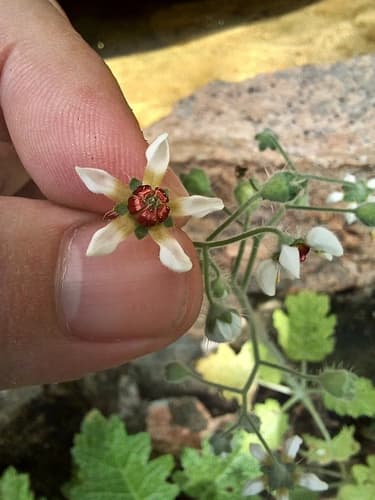
Ipomoea pedicellaris
NameIpomoea pedicellaris
Scientific NameIpomoea pedicellaris
Common NamesSmall-stalked Morning Glory, Pedicellate Morning Glory
Plant FamilyConvolvulaceae
Natural HabitatNative to tropical and subtropical regions, it commonly grows in disturbed areas, fields, roadsides, and open woodlands, preferring warm climates and well-drained soils.
Parts Usedleaf,root,seed
Medicinal Actionsanti-inflammatory, antimicrobial, antioxidant
Traditional UsesTraditionally, various Ipomoea species, including those closely related to I. pedicellaris, have been used as purgatives to relieve constipation and expel intestinal parasites. Leaves and roots may also be applied topically to reduce inflammation and treat skin conditions or wounds.
Active ConstituentsResin glycosides, Flavonoids, Phenolic compounds
Preparation Methodsdecoction, powder, poultice
Contraindications & WarningsDue to potential purgative effects, pregnant women, young children, and individuals with gastrointestinal issues should avoid use. Large doses can cause severe gastrointestinal distress and may interact with laxatives or medications affecting gut motility.
Cultivation NotesThis warm-season annual or perennial vine thrives in full sun and well-drained soil. It is easily grown from seed and requires support for its climbing habit, showing good drought tolerance once established.
Raritycommon
Description
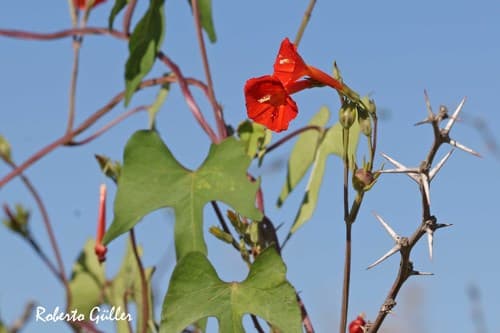
Ipomoea pedicellaris is an annual or perennial climbing vine characterized by its heart-shaped to lobed leaves. It produces showy, funnel-shaped flowers, typically vibrant purple or pink, often with a darker throat.