Peru cestrum
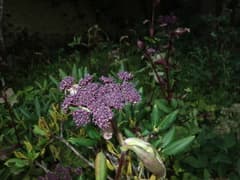
Image: Cody Hinchliff (cc-by-nc)
NamePeru cestrum
Scientific NameCestrum parqui
Common NamesGreen Cestrum, Willow-leaved Jessamine, Palqui, Chilean Cestrum
Plant FamilySolanaceae
Natural HabitatNative to South America, particularly Chile, Peru, and Argentina, it thrives in disturbed areas, roadsides, riverbanks, and open woodlands. It has become naturalized in many other parts of the world with temperate to subtropical climates.
Parts Usedleaf,bark,fruit
Medicinal Actionsanalgesic, anti-inflammatory, diuretic
Traditional UsesHistorically, various parts of Cestrum parqui have been used in traditional South American medicine for conditions such as fever, pain, and as a purgative. However, due to its extreme toxicity, any internal use is highly dangerous and not recommended. External applications for pain or inflammation were also reported, but caution is still advised.
Active Constituentsparquin, cestrine, solasonine, solamargine, steroidal saponins, alkaloids
Preparation Methodsdecoction, poultice
Contraindications & WarningsALL parts of Cestrum parqui are highly toxic to humans and livestock. Ingestion can cause severe gastrointestinal distress, neurological symptoms, liver damage, and death. It is NOT safe for internal use and should be handled with extreme caution, avoiding skin and eye contact. Keep away from children and pets.
Cultivation NotesThis plant is a hardy and adaptable shrub that prefers full sun to partial shade and well-drained soil. It is drought-tolerant once established and can grow vigorously, sometimes becoming invasive in suitable climates.
Raritycommon
Description
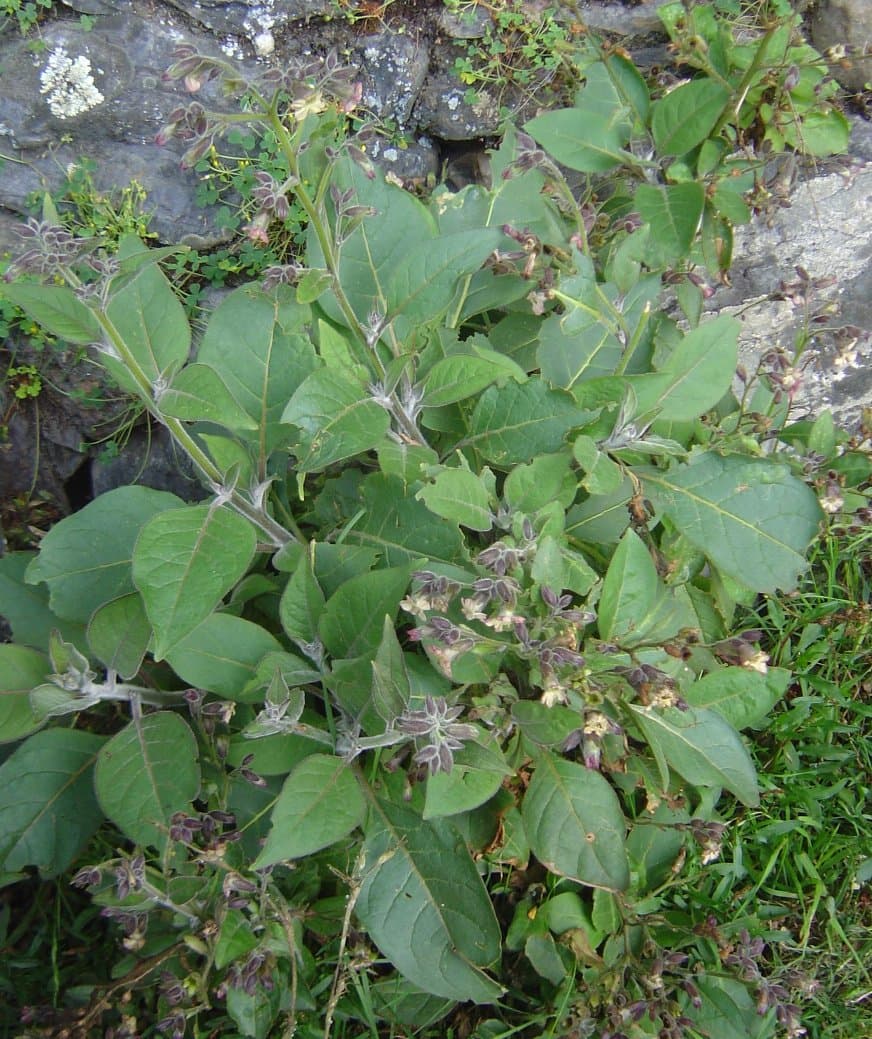
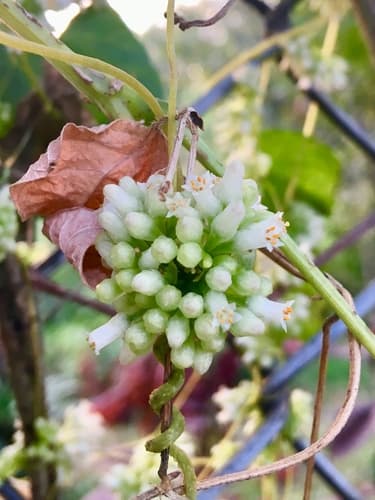
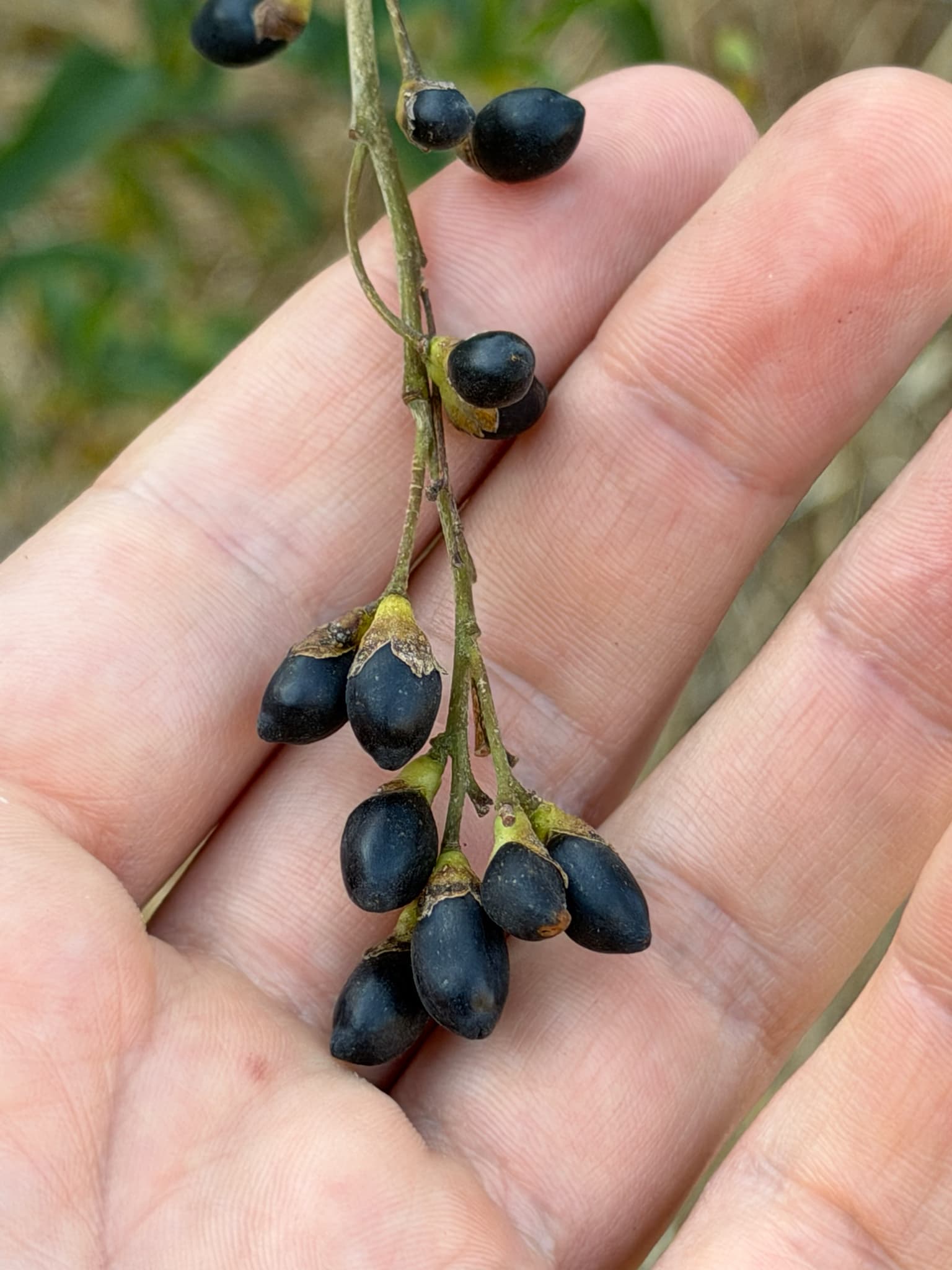
Cestrum parqui is a fast-growing, evergreen or semi-deciduous shrub characterized by slender branches and fragrant, greenish-yellow tubular flowers. It produces clusters of small, ovoid, glossy black berries, as seen in the image, which are highly toxic.